Age-Appropriate Equipment Guidelines for Playgrounds
Designing a playground with age-appropriate equipment is crucial for safety, developmental support, and regulatory compliance. Children at different developmental stages require different types of equipment, surfacing, and spatial design. The CPSC and ASTM provide clear guidance for dividing playgrounds into zones based on age groups.
This guide outlines age-specific recommendations to help planners, school districts, parks, and HOAs create safe, engaging, and compliant play environments.
Key Age Groups Defined
| Age Group | Developmental Stage | Primary Considerations |
| 6–23 months | Crawling, cruising, early walking | Minimal height, stability, sensory elements |
| 2–5 years | Preschool age | Lower platforms, crawl tunnels, imaginative play |
| 5–12 years | School-age children | Advanced climbers, overhead equipment, faster slides |

1. Infants & Toddlers (6–23 Months)
- Max platform height: 32 inches
- No overhead or climbing equipment
- Features:
- Crawl spaces and tunnels
- Play panels at ground level
- Spring rockers with secure seating
- Smooth slides under 24 inches high
- Soft surfacing (unitary or deep EWF)
✅ Reference: ASTM F2373 – Toddler Playgrounds
2. Preschoolers (2–5 Years)
- Platform height: ≤ 48 inches
- Swing height: ≤ 60 inches
- Encourage pretend play and sensory exploration
Common Equipment:
- Crawl tunnels
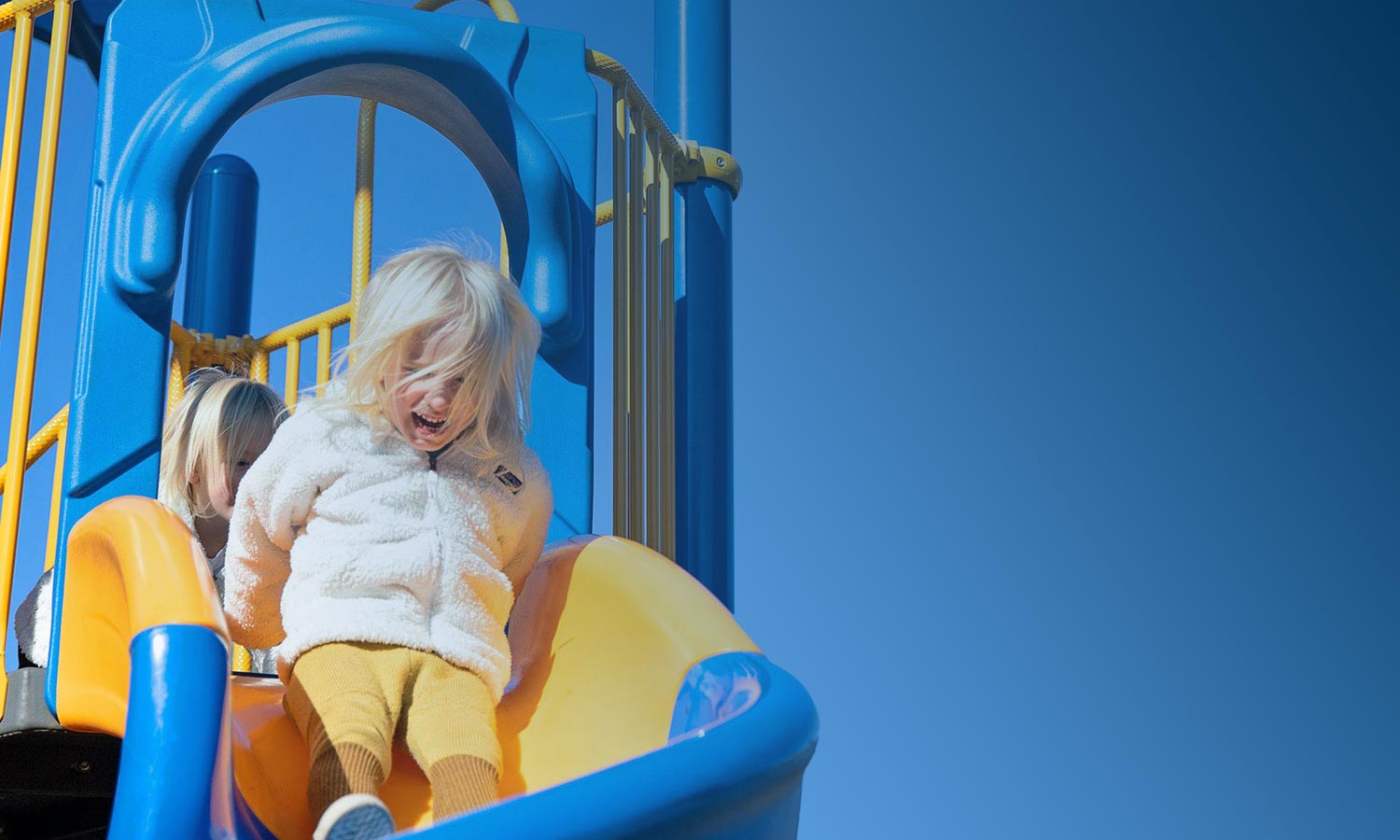
- Short slides
- Interactive panels
- Low horizontal ladders
- Playhouses and themed structures
- Steering wheels and musical elements

3. School-Age Children (5–12 Years)
- Platform height: up to 72 inches
- Swing height: up to 96 inches
- Designed for active play, risk-taking, and coordination
Key Features:
- Taller climbers and overhead ladders
- Monkey bars and balance equipment
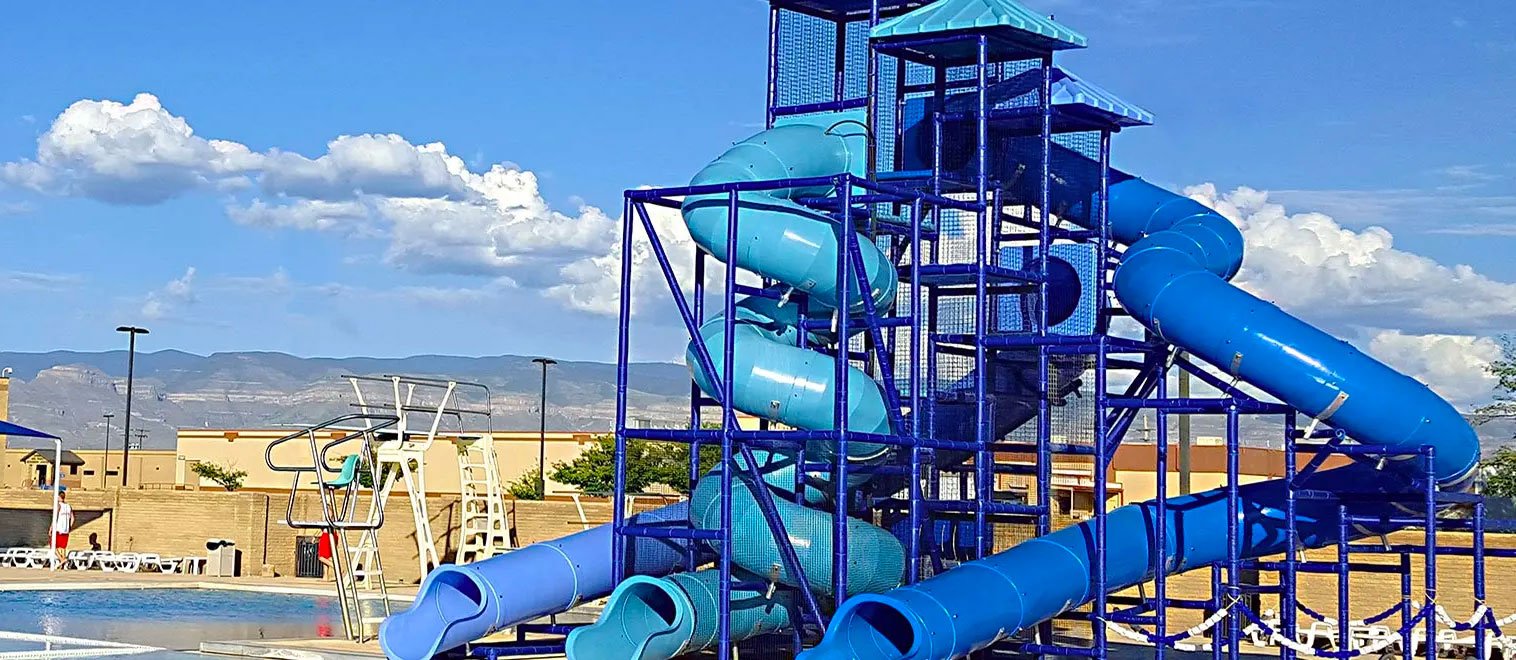
- Long slides (spiral, chute)
- Zip lines, track rides, climbing walls
- Fitness elements (pull-up bars, calisthenics)
Design Best Practices
- Separate areas for each age group with signage and fencing where necessary
- Avoid equipment that crosses age zones (e.g., climbers accessible from toddler zone)
- Ensure surfacing depth and type meets fall height requirements by age
- Install proper guardrails and barrier panels for elevated structures

Resources & Citations
- CPSC Playground Safety Handbook – Age Guidelines
- ASTM F2373 – Equipment for Children Under 2
- ASTM F1487 – Playground Equipment for 2–12