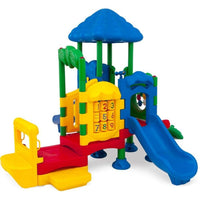
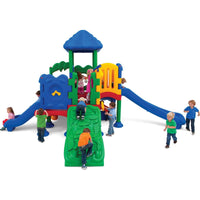
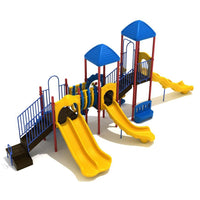
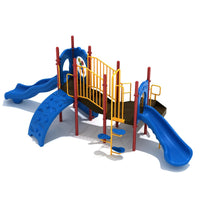
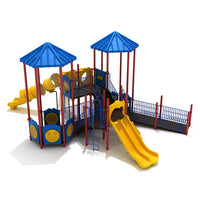
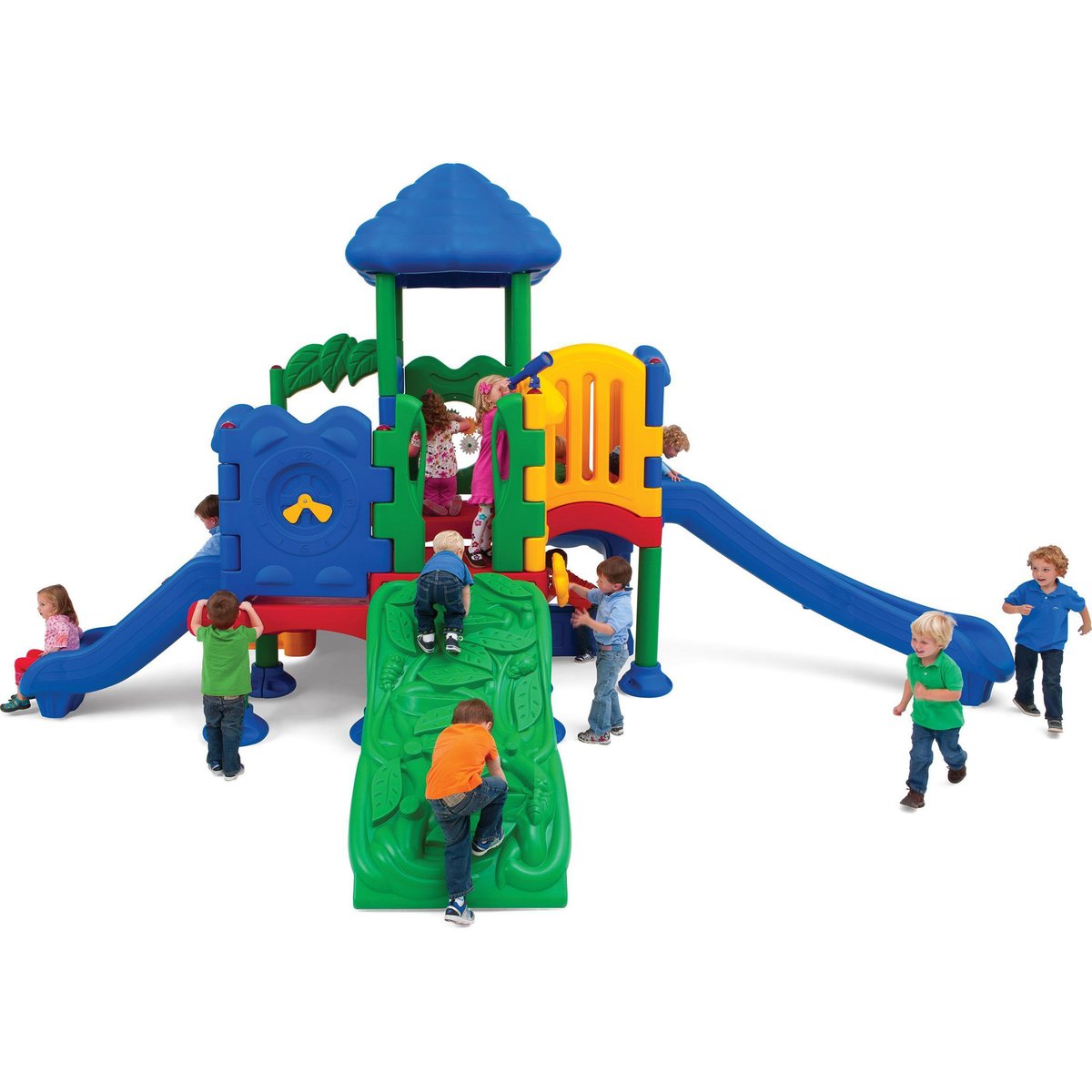
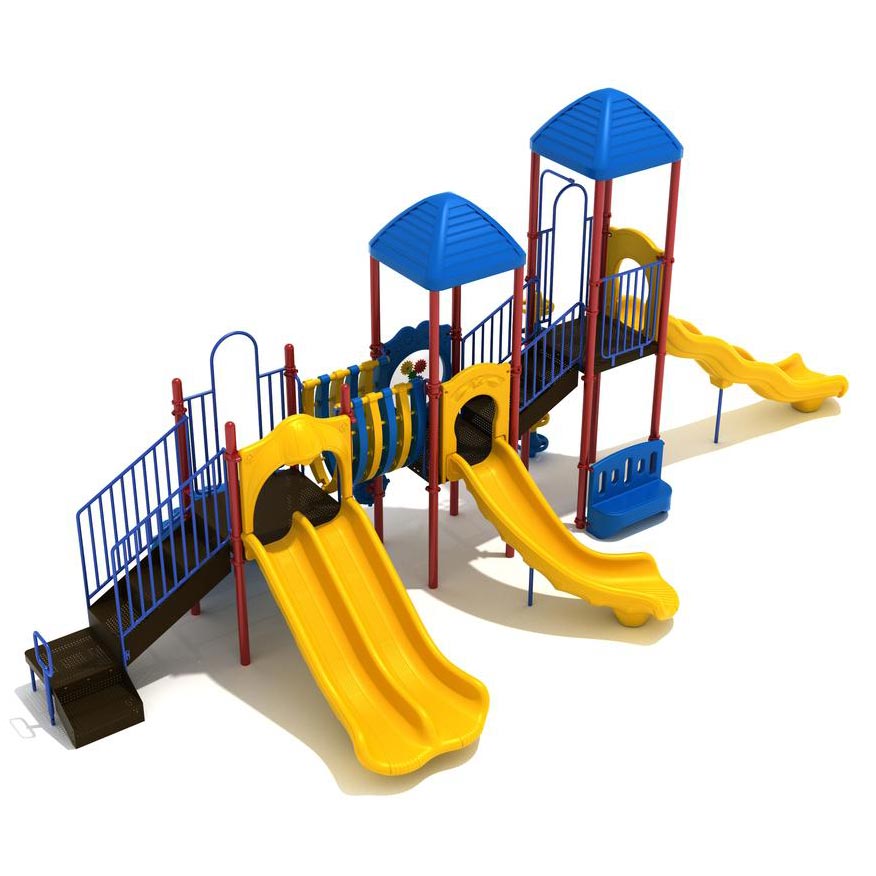
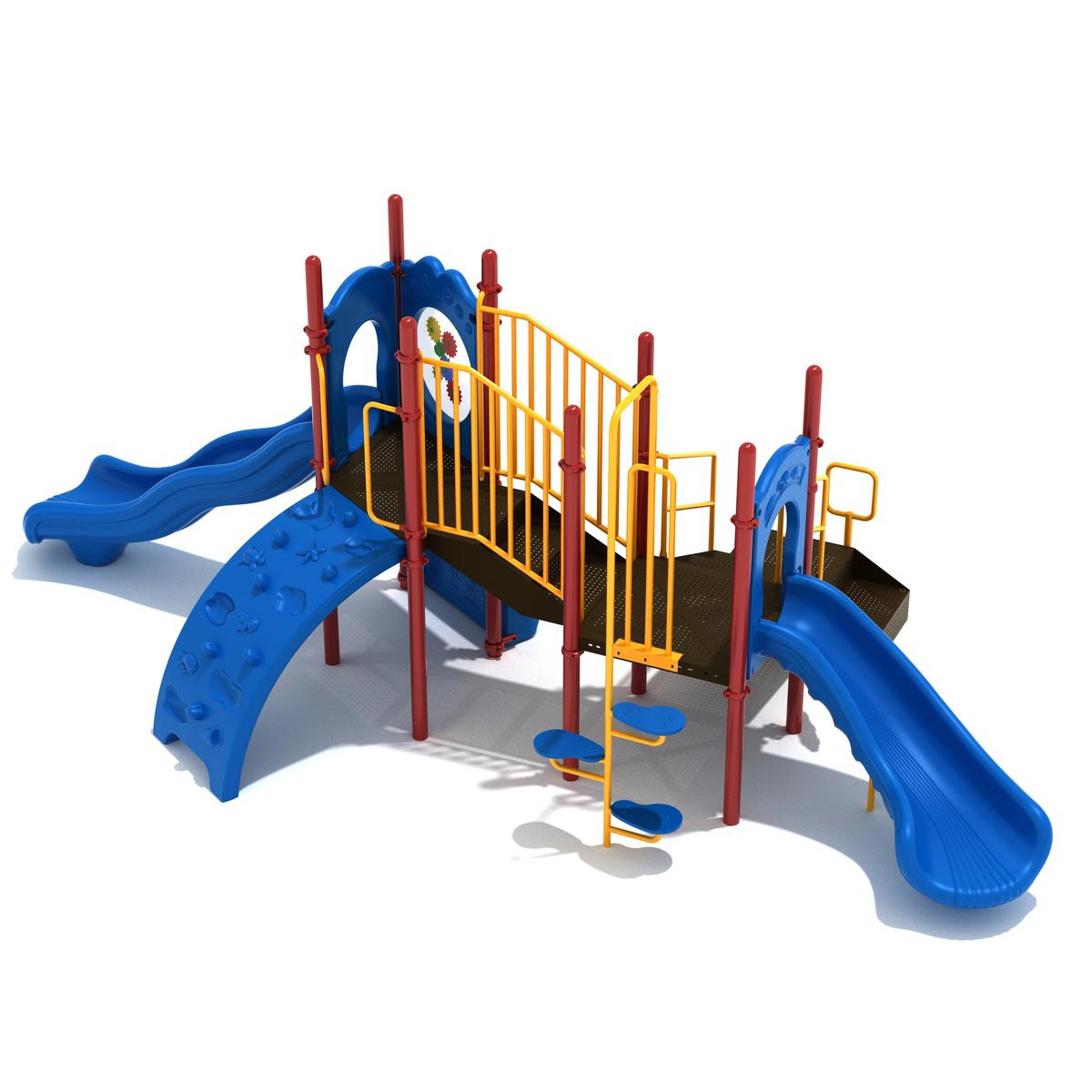
WillyGoat Toys and Playgrounds offers safe, durable, and affordable commercial playground equipment for parks, community centers, churches, daycares, neighborhoods, backyards, and more.
Playgrounds play a key role in early childhood development, supporting social interaction, cognitive growth, and physical health. Our play systems are designed to be safe, reliable, and inclusive, with built-in safety features.
Frequently Asked Questions
What is WillyGoat, and what types of playground equipment do you sell?
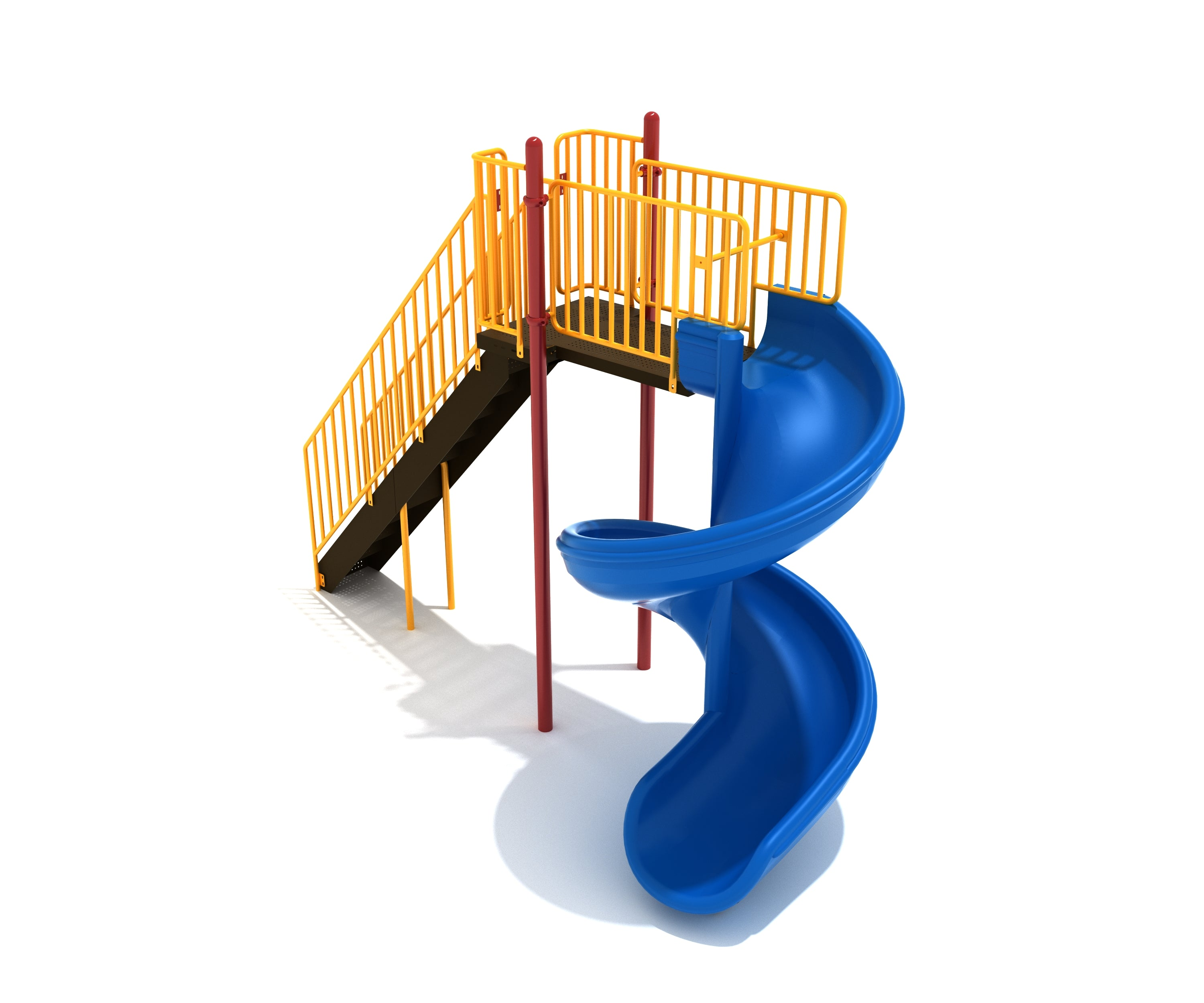
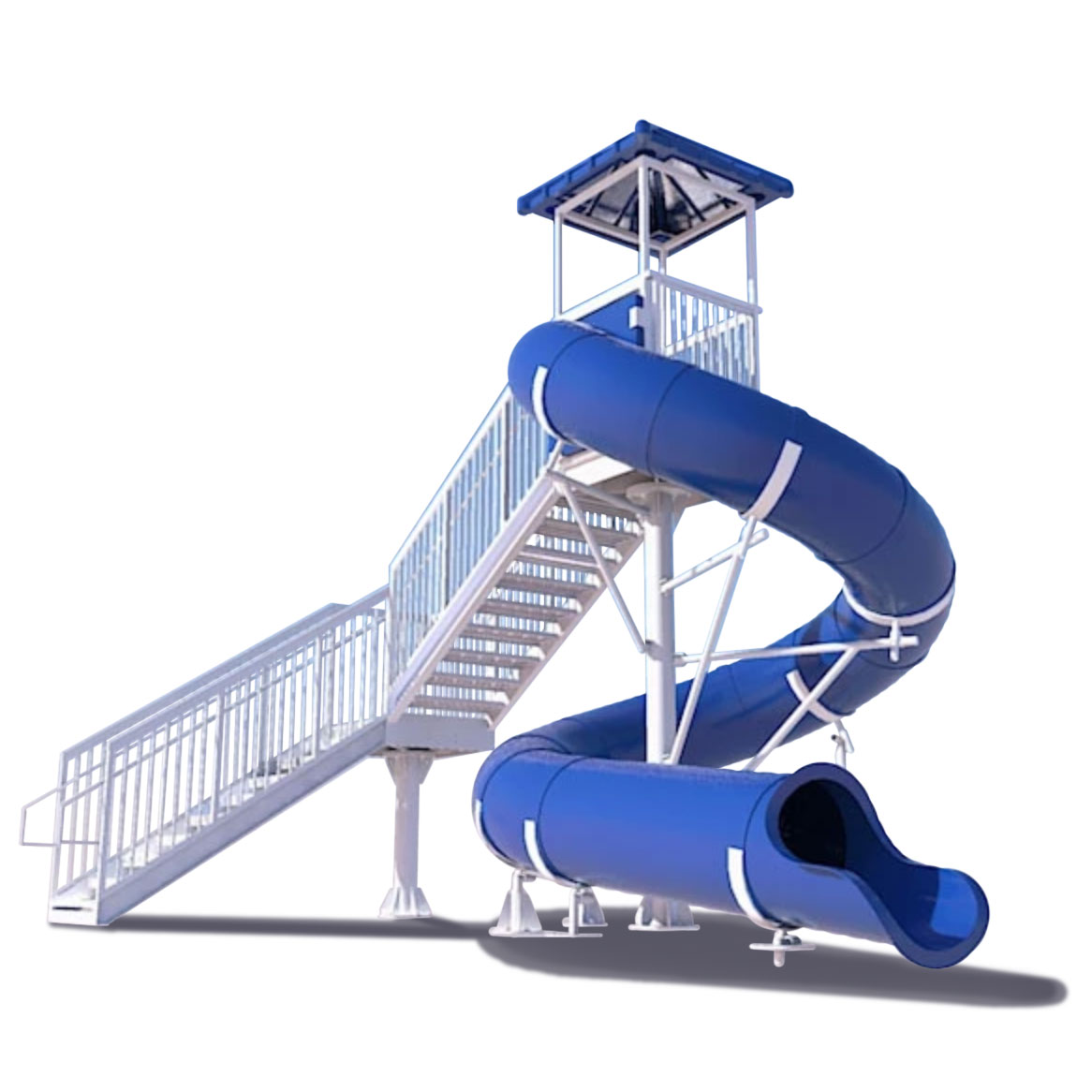
WillyGoat Toys & Playgrounds is a small business with over 25 years of experience specializing in commercial-grade playground equipment for parks, schools, churches, daycares, community centers, neighborhoods, and backyards. Our product catalog covers complete playground play systems, swing sets, slides, climbing and crawl elements, balance equipment, sensory and nature-themed play, shade structures, safety surfacing, and a full range of park amenities. We serve buyers of all types and offer equipment suitable for children from 6 months through 12 years and beyond.
What age ranges does your playground equipment support?
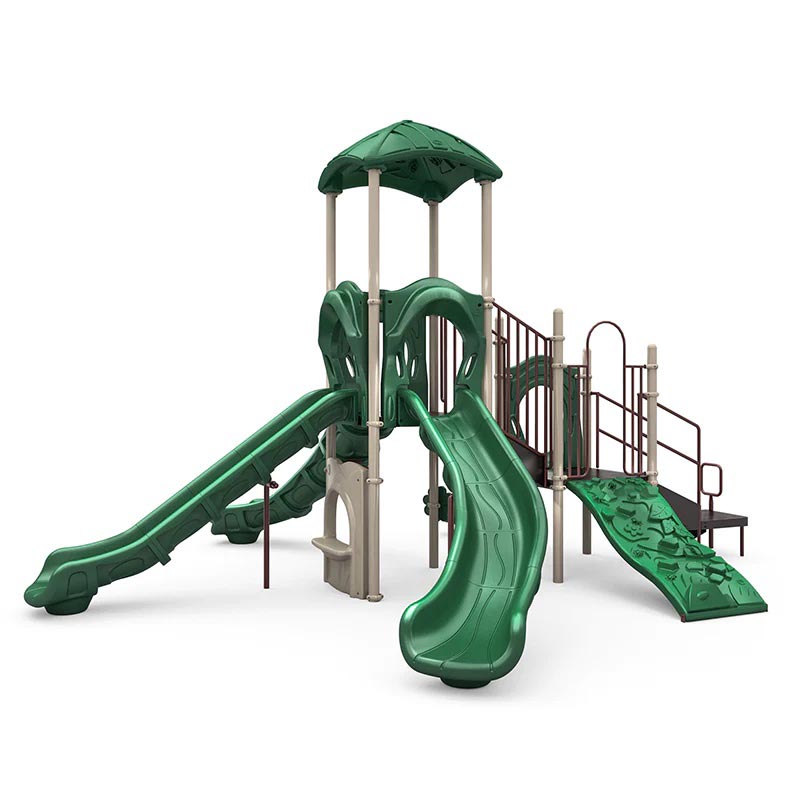
We offer play systems specifically designed and age-rated for the following groups: 6 to 24 months (toddlers), 2 to 5 years (preschool), 5 to 12 years (school-age), and 2 to 12 years (broad-range community systems). Each system is engineered with age-appropriate challenges, safety features, and developmental benefits in mind. You can browse by age group directly from our Playgrounds collection to find systems matched to your primary user base.
What is the difference between commercial and residential playground equipment?
Commercial playground equipment is built to a significantly higher standard of durability, capacity, and safety than residential backyard sets. Commercial equipment is designed to withstand continuous heavy use by large groups of children, meet CPSC and ASTM safety standards for public use, and last for many years in outdoor environments. WillyGoat's commercial play systems are appropriate for parks, schools, churches, daycares, apartment communities, and any setting where equipment will be used regularly by multiple children. Residential equipment is designed for lighter use in private backyard settings.
How do I choose the right playground system for my space and user group?
Choosing the right playground starts with four key considerations. First, identify your primary user age group - equipment designed for toddlers looks and functions very differently from school-age structures. Second, determine how many children will use the space simultaneously; we offer systems rated for 10 or fewer users all the way up to 50 or more. Third, measure your available footprint, including required safety zones around the equipment. Fourth, think about the types of play you want to encourage - climbing, swinging, sliding, sensory play, social games, or some combination. Our team is also available to help you plan your space, and we offer a free Playground Buyer's Guide to walk you through the process step by step.
What is "Quick Ship" playground equipment, and how is it different from standard lead times?
Our Quick Ship collection includes playground systems and individual components that are pre-configured and available for faster shipping than custom or made-to-order equipment. If you're working against a tight deadline - for a school year start, a grant expenditure window, a community event, or a park reopening - Quick Ship playgrounds are an excellent solution. We also offer Quick Custom options that allow some personalization while still maintaining accelerated lead times.
How do you organize playgrounds by capacity, and why does it matter?
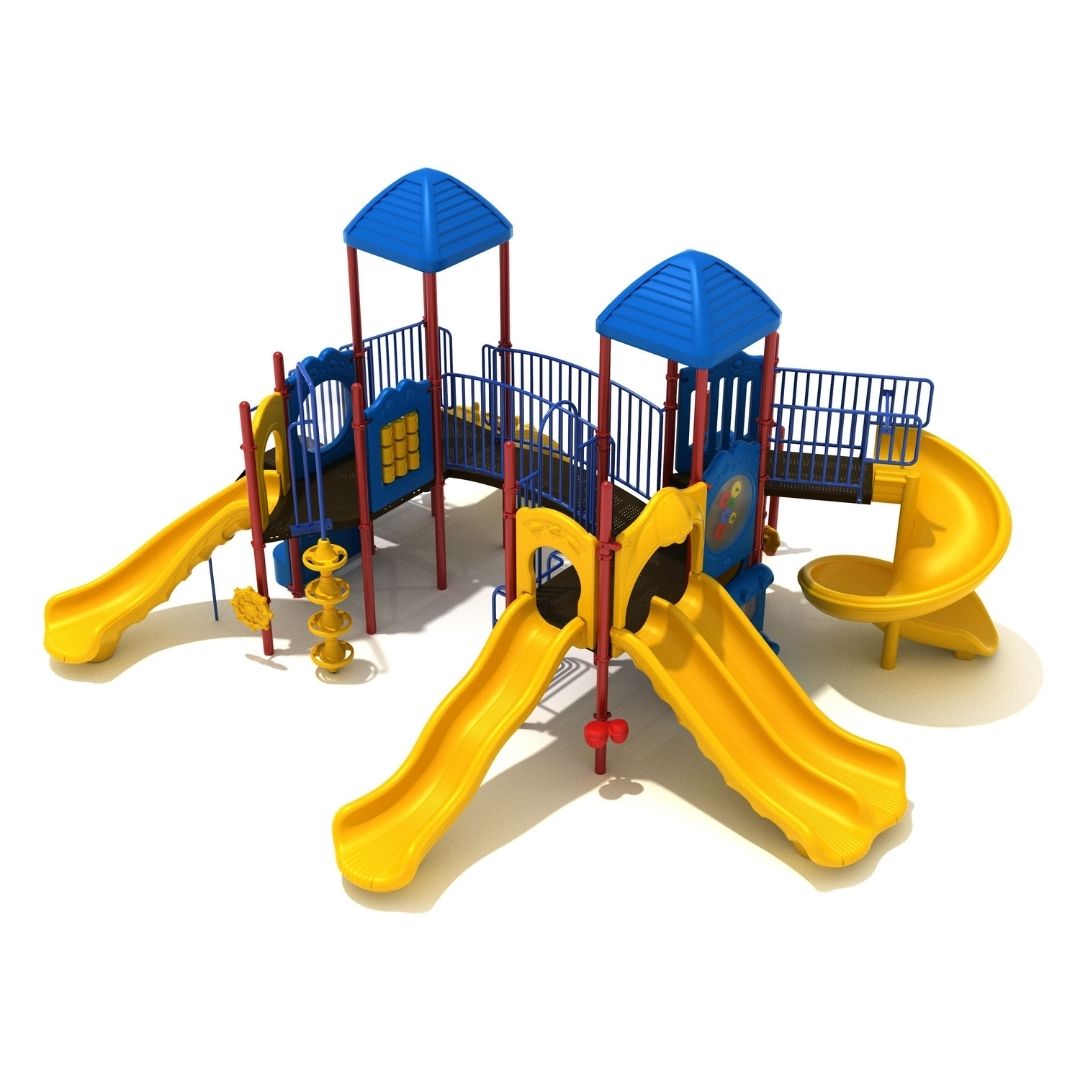
We categorize our playground systems by the number of children they are designed to accommodate simultaneously - 10 or fewer, 10 to 20, 20 to 30, 30 to 40, 40 to 50, and 50 or more. Capacity matters because undersized equipment creates bottlenecks, frustration, and safety risks during peak use periods, especially at schools and public parks during recess. Choosing a system matched to your expected peak usage ensures all children can play safely and enjoyably at the same time.
Do you offer ADA-compliant and wheelchair-accessible playground equipment?
Yes. We carry a dedicated collection of wheelchair-accessible and ADA-compliant playground systems. Under the 2010 ADA Standards for Accessible Design - required for all public play areas constructed or altered after March 15, 2012 - playgrounds must include accessible routes to and through the equipment, surface systems meeting ASTM F1951 accessibility standards, and a mix of ground-level and elevated play components accessible to children with mobility limitations. Our inclusive play systems meet these requirements and are designed to give children of all abilities the opportunity to play alongside their peers.
What types of safety surfacing do you offer, and is it required?
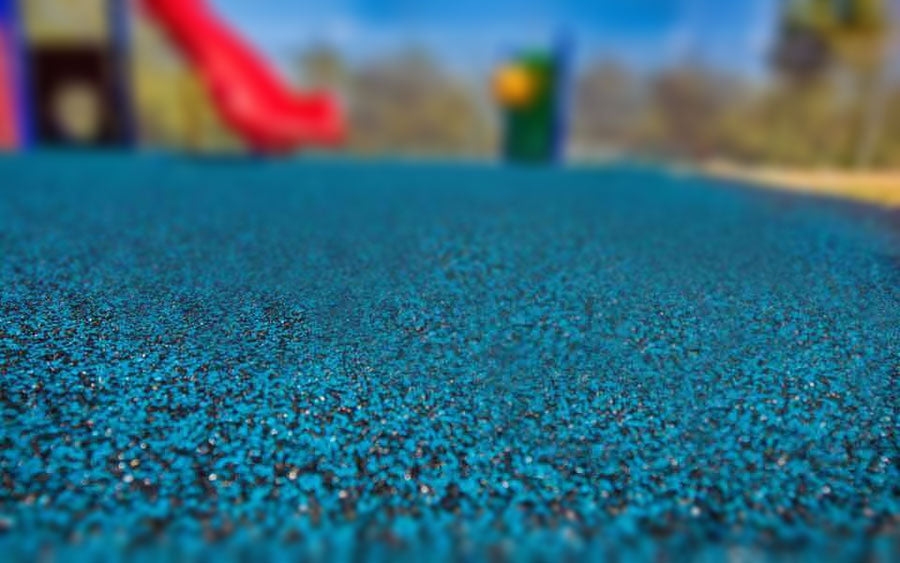
Appropriate safety surfacing is required under and around all playground equipment to reduce injury risk from falls and to comply with CPSC guidelines and ASTM standards. WillyGoat offers several surfacing options: engineered wood fiber (EWF), rubber mulch, pour-in-place rubber surfacing, artificial turf, and swing mats. Each has different performance characteristics, maintenance requirements, price points, and ADA accessibility ratings. For example, pour-in-place rubber and artificial turf tend to perform best for accessibility, while engineered wood fiber and rubber mulch are cost-effective loose-fill options. Our team can help you match the right surfacing to your equipment layout, budget, and compliance needs.
What materials are your commercial playground systems made from?
Our commercial playground equipment is available in three primary material categories: powder-coated steel, recycled plastic (HDPE), and natural or pressure-treated wood. Steel and recycled plastic are the most common for commercial settings due to their durability, weather resistance, and low maintenance requirements. Recycled plastic, in particular, does not splinter, rot, or absorb moisture, making it well-suited for high-humidity climates. Wood structures offer a natural aesthetic that blends well into park environments but may require more upkeep over time. All materials used in our commercial equipment meet applicable ASTM and CPSC standards.
Which brands do you carry?
WillyGoat partners with industry-leading commercial playground manufacturers including Ultra Play Systems, SportsPlay, Future Play, Child Forms, and others known for quality craftsmanship and safety compliance. Many of our products carry IPEMA certification, which verifies third-party testing against ASTM and CPSC standards.
Do you offer professional installation services?
Yes. WillyGoat offers professional installation services to provide a complete, turnkey playground solution - from equipment purchase through final installation. Proper commercial playground installation is critical to safety, warranty protection, and long-term equipment integrity. Our installation partners are experienced in commercial playground setup and follow all applicable ASTM and CPSC installation guidelines. Contact us to discuss installation options for your specific project and location.
How do I get a quote for a commercial playground project?
You can request a commercial quote directly through our website. For larger projects or custom configurations, our team will work with you to understand your space, capacity needs, budget, and timeline. We can also provide CAD layouts and design assistance to help you visualize the finished space before purchasing. Download our free Playground Buyer's Guide as a starting point, or call us at 888-920-4628.
What playground equipment do you recommend for toddlers aged 6 months to 2 years?
For our youngest users, we offer play systems specifically designed for children 6 to 24 months. These structures prioritize sensory engagement, low-height platforms, gentle crawl spaces, and interactive panels like rain wheels and activity boards - all scaled to toddler proportions with no sharp edges and built-in fall protection. Surfacing requirements are especially critical for this age group given the higher likelihood of falls from even low heights. Pair a toddler system with engineered wood fiber or pour-in-place surfacing for the safest possible play environment.
What should I look for in playground equipment for preschool-aged children (2–5 years)?
Children ages 2 to 5 are developing gross motor skills, social confidence, and early problem-solving abilities. Look for equipment that offers low-to-moderate height climbing panels, short slides, beginner balance elements, sensory panels, and interactive games. Structures in this age range should feature wider platforms, full guardrails, and gradual transitions between activity levels. Our 2 to 5 Years collection is purpose-built for this developmental window and includes both standalone structures and elements that can be incorporated into broader community systems.
What types of climbing equipment are available?
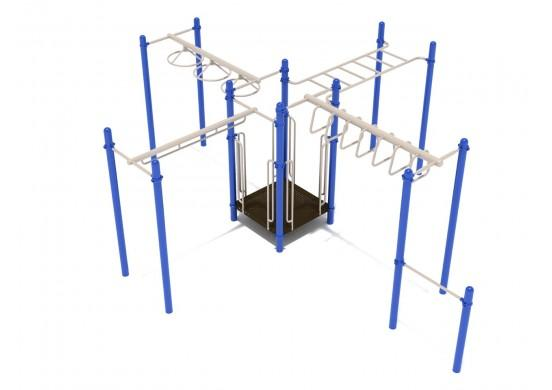
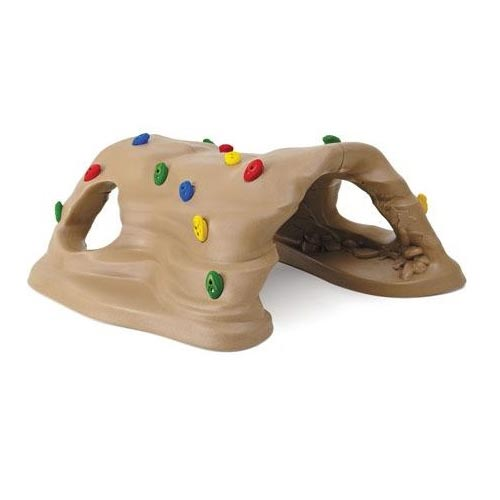
Our climbing collection is one of the most extensive in our catalog. We offer climbing walls, net climbers, honeycomb climbers, pod climbers, monkey bars, climbing cubes, climbing rocks, and crawl tunnels. We also carry obstacle course playgrounds that combine multiple climbing challenges in a single high-engagement installation - popular for schools, parks, and active-play-focused facilities. Climbing elements can be purchased as part of a complete play system or added as standalone freestanding pieces to complement existing equipment.
Do you sell standalone or freestanding play elements, or only complete systems?
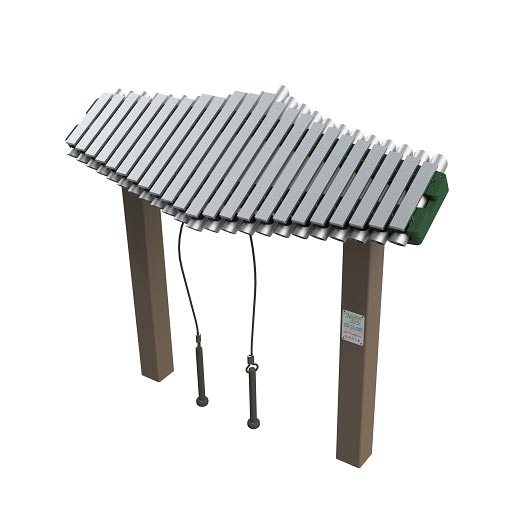
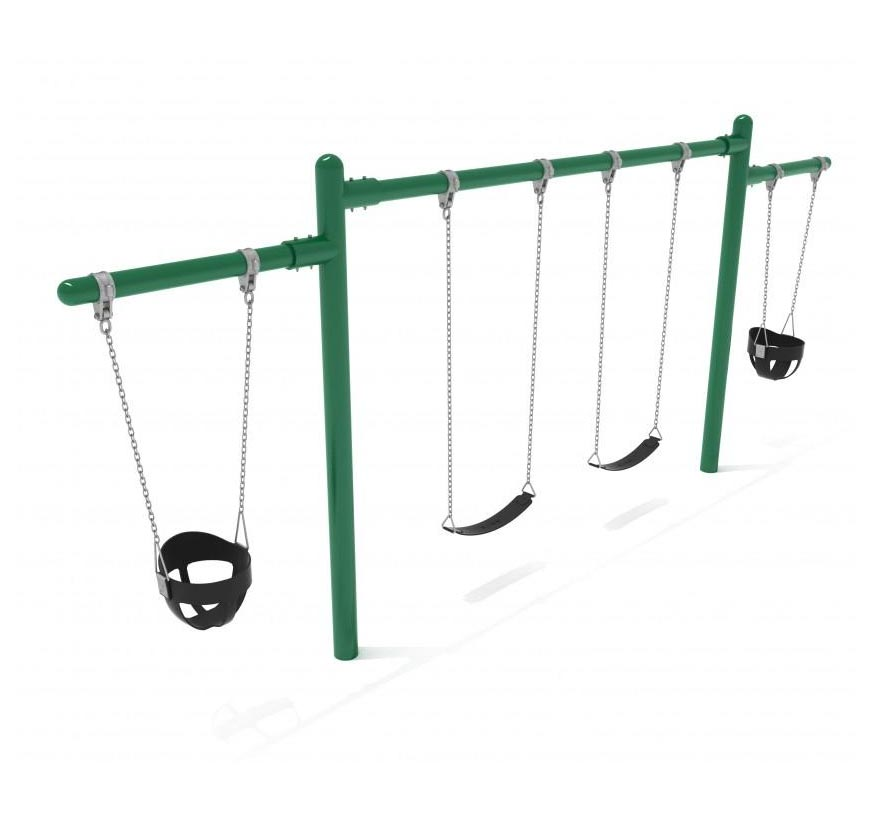
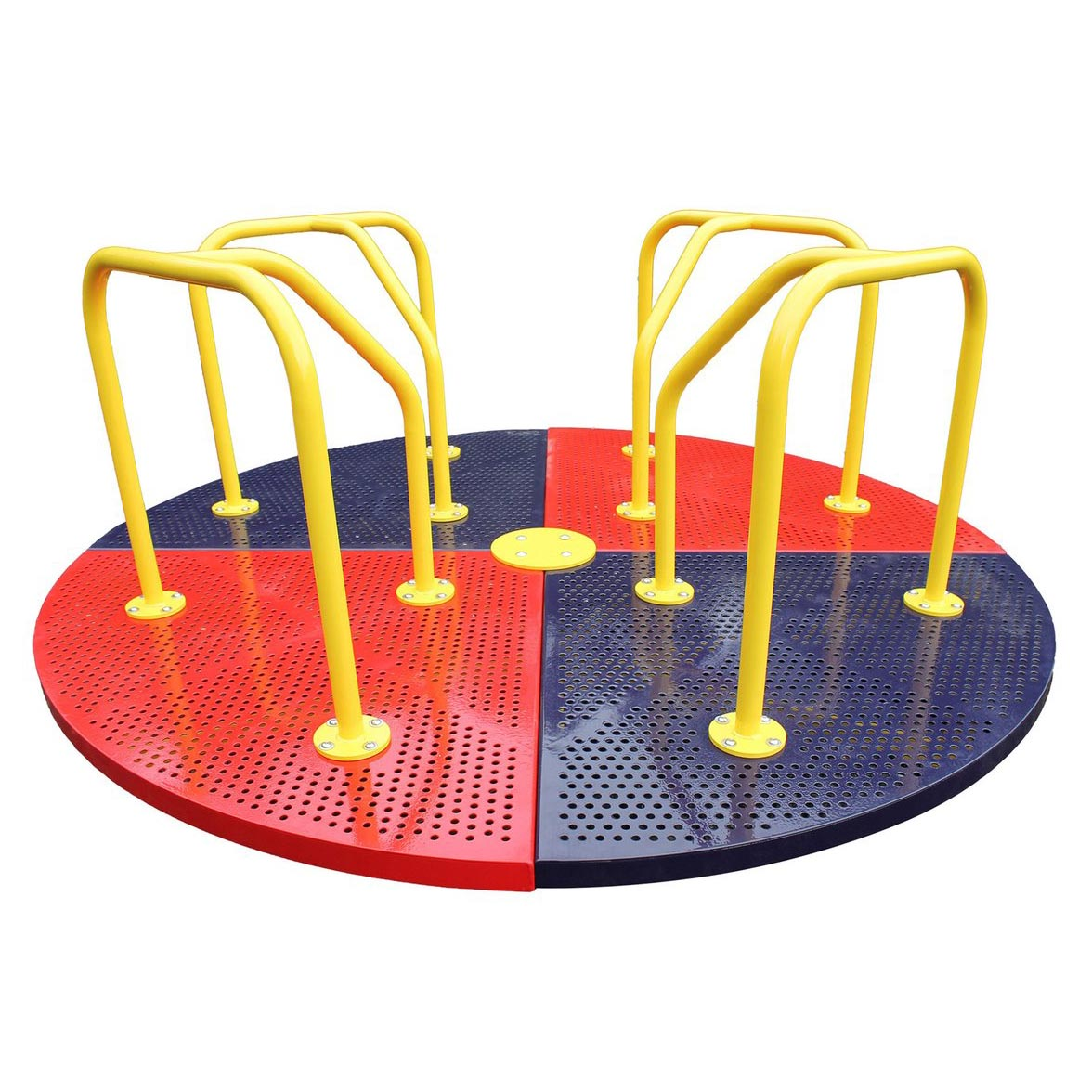
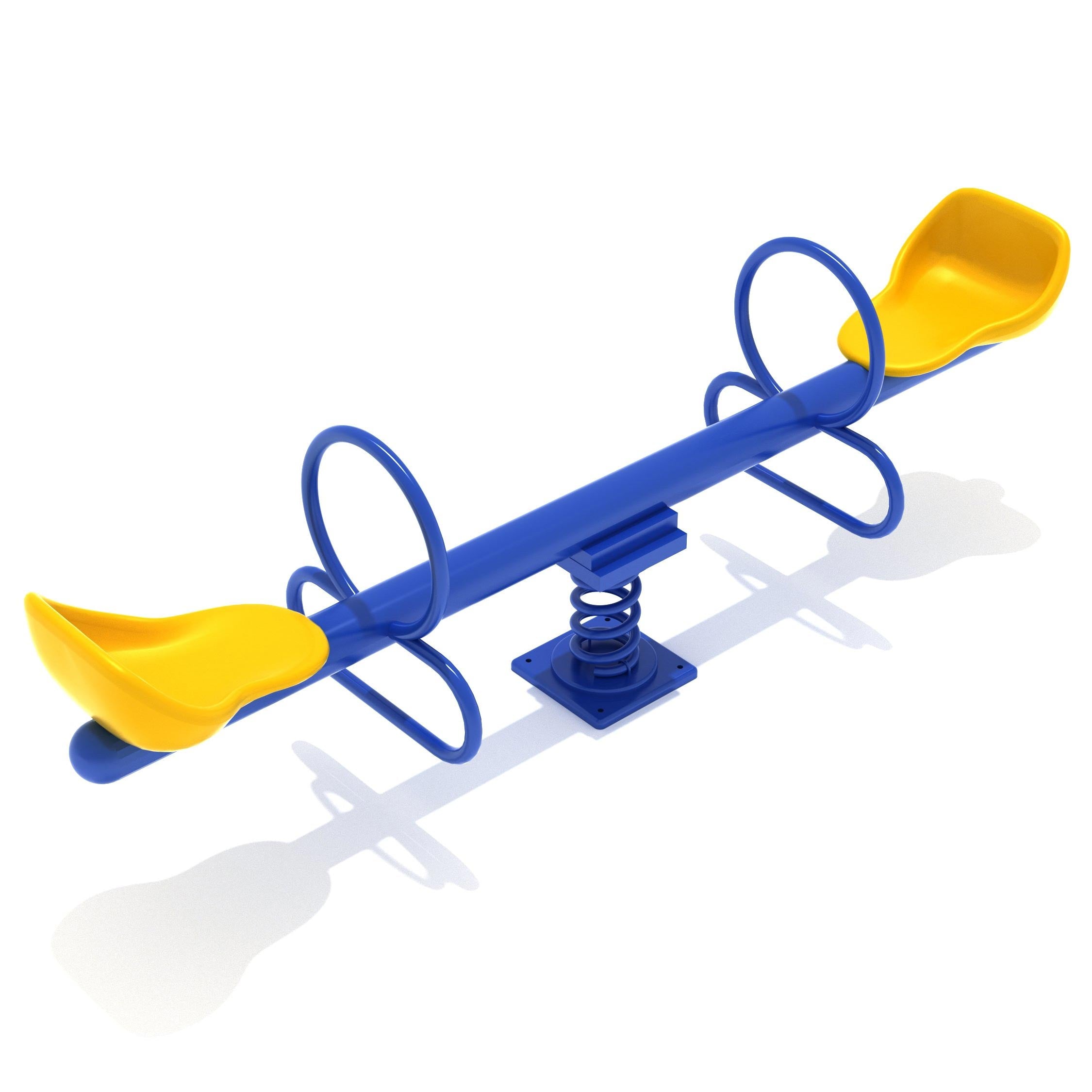
Both. While our complete playground system sets are our most popular category, we also carry a wide selection of freestanding and standalone play elements including swing sets, spring riders, merry-go-rounds, seesaws, balance beams, stepping stones, musical instruments, activity panels, gaga ball pits, and more. These can serve as add-ons to an existing playground, anchor points for a new space being built incrementally, or standalone activity zones in their own right.
Do you offer shade structures for playgrounds?
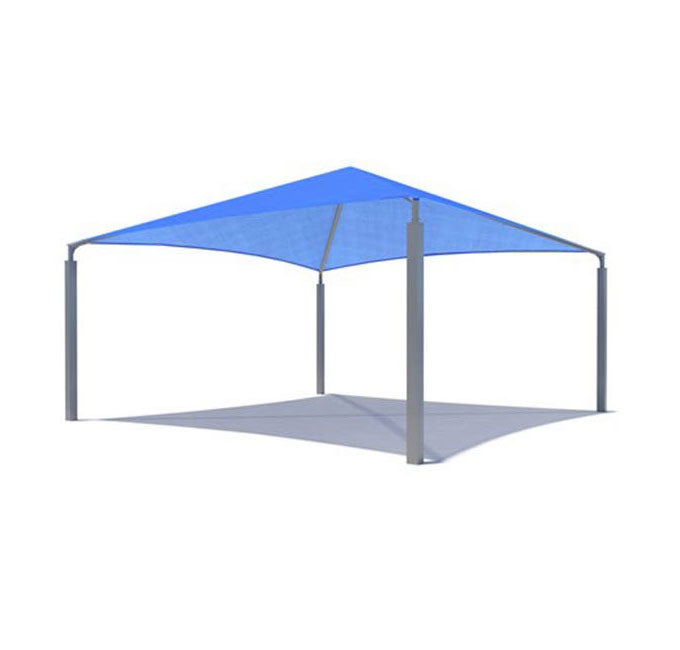
Yes. We carry a comprehensive collection of shade structures including pyramid, hip, hexagon, sail, triangle, rectangle, square, and umbrella-style canopies in a range of sizes and configurations. Shade is an increasingly important component of responsible playground design - it protects children and staff from UV exposure, extends equipment longevity by reducing heat-related wear on plastic and metal components, and makes play spaces more comfortable during peak summer hours. Many of our shade structures are available for Quick Ship.
Can playground equipment be installed indoors?
Yes, select playground components are appropriate for indoor installation, including soft play structures, modular climbers, sensory play elements, and activity panels. Indoor installations are popular in gyms, recreation centers, churches, daycares, and school multipurpose rooms. Contact our team to discuss which products in our catalog are suitable for your indoor space and what surfacing options work best in interior environments.
How do weather and climate affect playground equipment selection?
Climate is an important factor in choosing materials and finishes. In hot, sunny regions, look for UV-resistant coatings and lighter-colored components to reduce heat absorption - some metal slides and surfaces can become dangerously hot in direct sun. In high-humidity or coastal environments, powder-coated steel and recycled plastic outperform untreated wood. In snowy climates, drainage and freeze-thaw-resistant hardware are important. WillyGoat's commercial equipment is designed for outdoor year-round durability, but our team can help you identify the best material choices for your specific climate conditions.
What maintenance is required for commercial playground equipment?
Regular inspection and maintenance are essential to keeping playground equipment safe and compliant. At a minimum, playground operators should perform monthly visual inspections for loose hardware, cracked or worn components, and surfacing integrity, along with a more thorough annual inspection - ideally by a Certified Playground Safety Inspector (CPSI). Loose-fill surfacing such as engineered wood fiber and rubber mulch requires periodic raking and replenishment to maintain adequate depth in high-traffic zones, particularly under swings and at slide exits. Keeping a maintenance log is a best practice for any organization responsible for public play equipment.
What safety standards should I look for when purchasing commercial playground equipment?
The two primary governing bodies for commercial playground safety in the United States are the Consumer Product Safety Commission (CPSC) and ASTM International. ASTM F1487 is the primary voluntary standard for public playground equipment, covering design, construction, performance, and installation requirements. IPEMA (International Play Equipment Manufacturers Association) certification indicates that a product has been independently tested and verified against ASTM and CPSC standards. All WillyGoat commercial equipment meets applicable safety standards and comes from manufacturers with strong safety compliance records.
Do you offer nature-themed or sensory playground equipment?
Yes. We carry nature-themed playground elements including log climbers, boulder-style stepping stones, tree stump paths, and natural-aesthetic play components designed to blend into park and green space environments. We also offer a dedicated sensory play collection featuring equipment that engages multiple senses - sight, touch, sound, and movement - which is especially valuable for inclusive playgrounds serving children with autism spectrum disorder, sensory processing differences, or developmental delays.
What park amenities can I purchase alongside playground equipment?
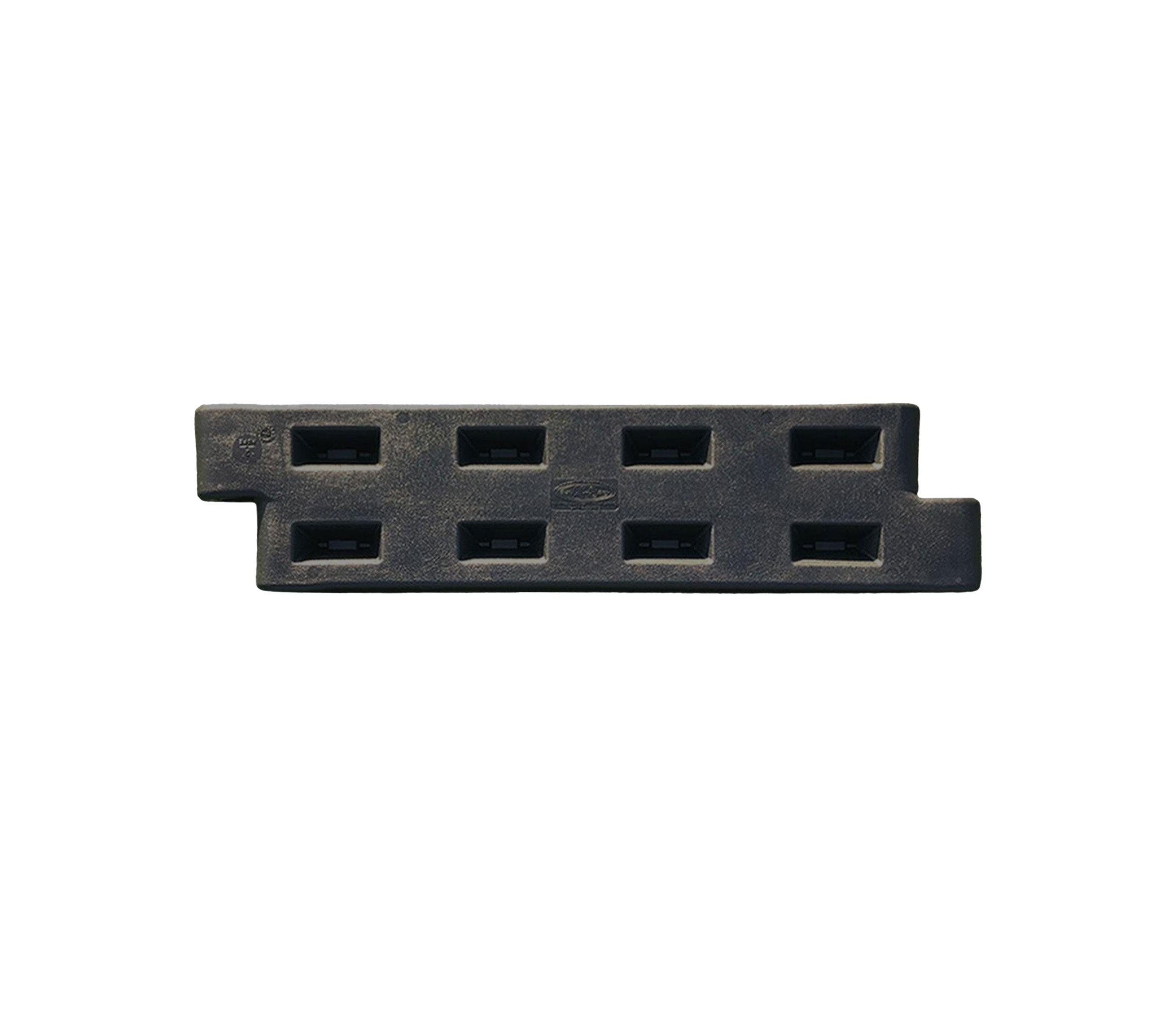
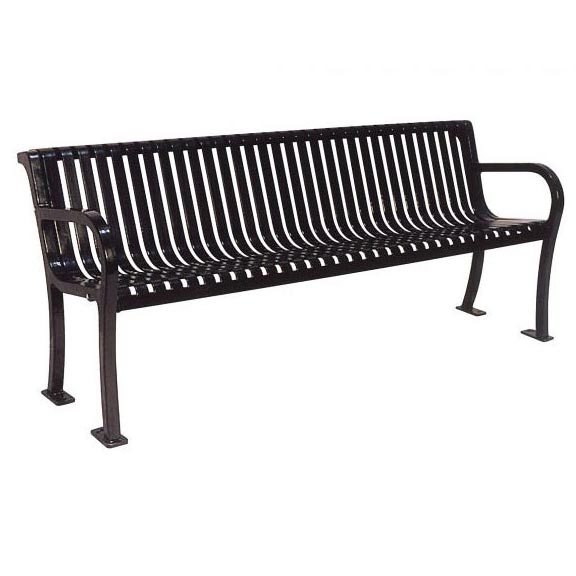
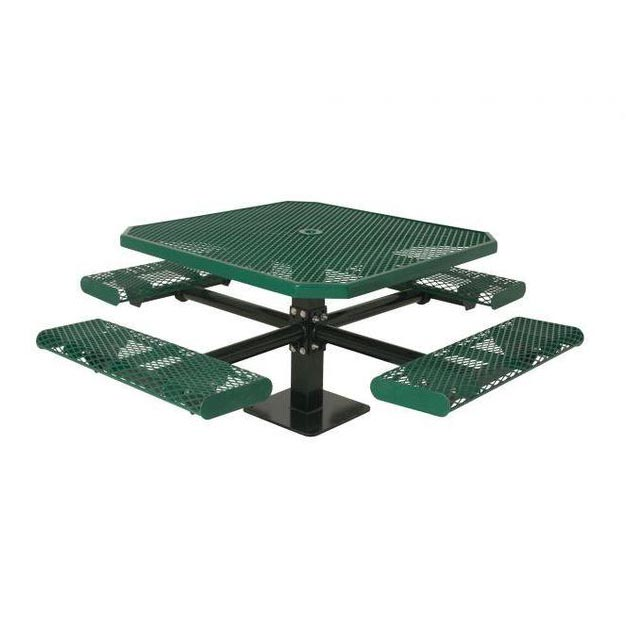
WillyGoat is a full-service commercial outdoor space provider, not just a playground company. Alongside play equipment, we offer park benches, picnic tables, trash receptacles, park grills, bicycle racks, park bollards, aluminum bleachers, safety signs, playground borders, shade structures, bulletin boards, and wheelchair-accessible tables and benches. This makes us a convenient single-source solution for entire park and recreational space buildouts or renovations.
Do you serve dog parks as well?
Yes. We offer a complete dog park equipment collection including dog exercise courses, agility activities, and dog park amenities. Dog park additions are popular as companion amenities to family-focused parks, allowing pet owners to bring their dogs while children play in adjacent spaces.
Supporting Statistics
The following data points are organized by topic and can be used throughout the page to reinforce the value of playground investment, the urgency of outdoor play, and the market context WillyGoat operates in.
The Playground Equipment Market
The global playground sets and equipment market was valued at $6.55 billion in 2024 and is projected to reach $11.12 billion by 2032, growing at a CAGR of 6.8% - driven by rising parental awareness of outdoor play's role in child development and growing investment in commercial recreational infrastructure. Polaris Market Research
North America holds the largest regional share of the global playground equipment market, accounting for over 45% of the total in 2025, driven by urbanization and strong cultural awareness of children's physical development. Business Research Insights
The commercial end-use segment dominates the North American outdoor play structures market, holding a 66.4% revenue share - reflecting the high demand from schools, parks, municipalities, and community organizations for professionally installed play equipment. Grand View Research
Commercial playgrounds account for more than 50% of all playground equipment installations in 2025, and themed/educational playground designs are being adopted in more than 30% of new installations. Business Research Insights
Demand for innovative, safety-focused play structures has surged by 30% in recent years, particularly in urban areas, while new fitness-integrated play structures have expanded by 50%, targeting children and adults alike. Global Growth Insights
Children's Physical Activity & Outdoor Play
According to the 2024 U.S. Report Card on Physical Activity for Children and Youth, only 20% to 28% of children ages 6 to 17 meet the recommended 60 minutes of daily physical activity - and the proportion meeting these guidelines has decreased slightly since 2016. Childrensmercy
Physical activity levels decline sharply with age: while 26% to 42% of children ages 6 to 11 meet activity guidelines, only 15% of adolescents ages 12 to 17 do so. Childrensmercy
Children who spend at least two hours a day outside engage in 27% more moderate-to-vigorous physical activity than those who do not - and outdoor play has been directly linked to improved cardiovascular health and overall physical fitness. UNICEF
The obesity rate for U.S. children ages 2 to 5 is 14%, rising to over 40% for middle-aged adults - contributing to American Academy of Pediatrics recommendations for a "prescription for play" at every well-child visit through age 2. NAEYC
Schoolyard play contributes up to 40% of children's daily physical activity, making playground access at educational institutions a critical component of children's overall health outcomes. PubMed Central
Research shows that older children are more attentive and productive in the classroom when recess - indoors or outdoors - is part of the school day, reinforcing the academic case for quality playground investment. NAEYC
Developmental Benefits of Playground & Outdoor Play
Outdoor play promotes cognitive, physical, social, and emotional well-being and provides the necessary conditions for children to thrive and learn - with specific benefits including stronger immune systems, bone development, and improved physical fitness. PubMed Central
Free outdoor play has been linked to significant health and developmental benefits including increased physical activity, environmental and social competence, creativity, and spatial skills - benefits reinforced when play takes place independently and without excessive adult structure. PubMed Central
Children spending more time in green spaces and naturalized play environments demonstrate better focus, lower stress levels, and stronger emotional resilience - underlining why playground design and landscaping choices matter alongside the equipment itself. UNICEF
A study of children ages 2 to 5 found that those who play outdoors regularly sleep better at night, likely due to the combination of physical activity, reduced stress, and exposure to natural light that outdoor play provides. NAEYC
Playground Safety
The CPSC estimates an average of over 190,000 emergency room-treated playground injuries annually from 2021 to 2023, underscoring the critical importance of equipment quality, appropriate safety surfacing, and regular maintenance. CPSC
Falls are the most common playground injury mechanism, accounting for 44% of equipment-related incidents reported to the CPSC - and appropriate impact-attenuating safety surfacing is the single most effective mitigation strategy. (Source: CPSC Public Playground Safety Handbook)
All playground equipment and facilities constructed or altered on or after March 15, 2012 must comply with the 2010 ADA Standards for Accessible Design - making ADA compliance a legal requirement, not just a design preference, for any public play area. Uni
Inclusive Play & Children with Disabilities
Approximately 7.3 million students received special education services in the 2021–2022 school year, according to the National Center for Education Statistics - representing a large population of children whose playground experiences depend directly on inclusive and accessible design. Miracle Recreation
Experts estimate that 1 in 36 children has autism spectrum disorder (ASD), many of whom benefit from sensory-rich, inclusive playground elements like quiet retreat zones, spinning equipment, and musical components incorporated into play space design. Miracle Recreation
Approximately 3.1% of children under 18 in the United States have a condition that limits their ability to play, according to the U.S. Census Bureau - a figure that has driven growing demand for inclusive and wheelchair-accessible playground equipment across the country. Verified Market Research