Multi-Generational Play Spaces
Multi-generational play spaces are inclusive environments that promote shared physical activity, social interaction, and wellness across all age groups. Unlike traditional playgrounds designed primarily for children, these spaces are thoughtfully designed to accommodate users ranging from toddlers to seniors in a single, cohesive area.
This guide explores the key design principles, equipment types, and benefits of integrating multi-generational play elements into community parks, schools, and urban green spaces.
Why Multi-Generational Design Matters
- Encourages family bonding and intergenerational activity
- Supports aging populations by including low-impact fitness zones
- Enhances park utilization throughout the day
- Reduces isolation by fostering community engagement
- Promotes universal design and ADA compliance

Key Features of Multi-Generational Spaces
1. Diverse Activity Zones
- Playgrounds for children (ages 2–12)
- Outdoor fitness areas for teens and adults
- Gentle mobility and stretching stations for seniors
2. Shared Equipment & Pathways
- Low-impact elements usable by both children and adults (e.g., balance beams, sit-up benches)
- Walking loops with pull-out activity stations
- Tandem swings, social seating pods, or game tables
3. Universal Accessibility
- ADA-compliant surfacing and ramps
- Equipment with wide access points and transfer platforms
- Sensory panels and musical instruments accessible from a seated position

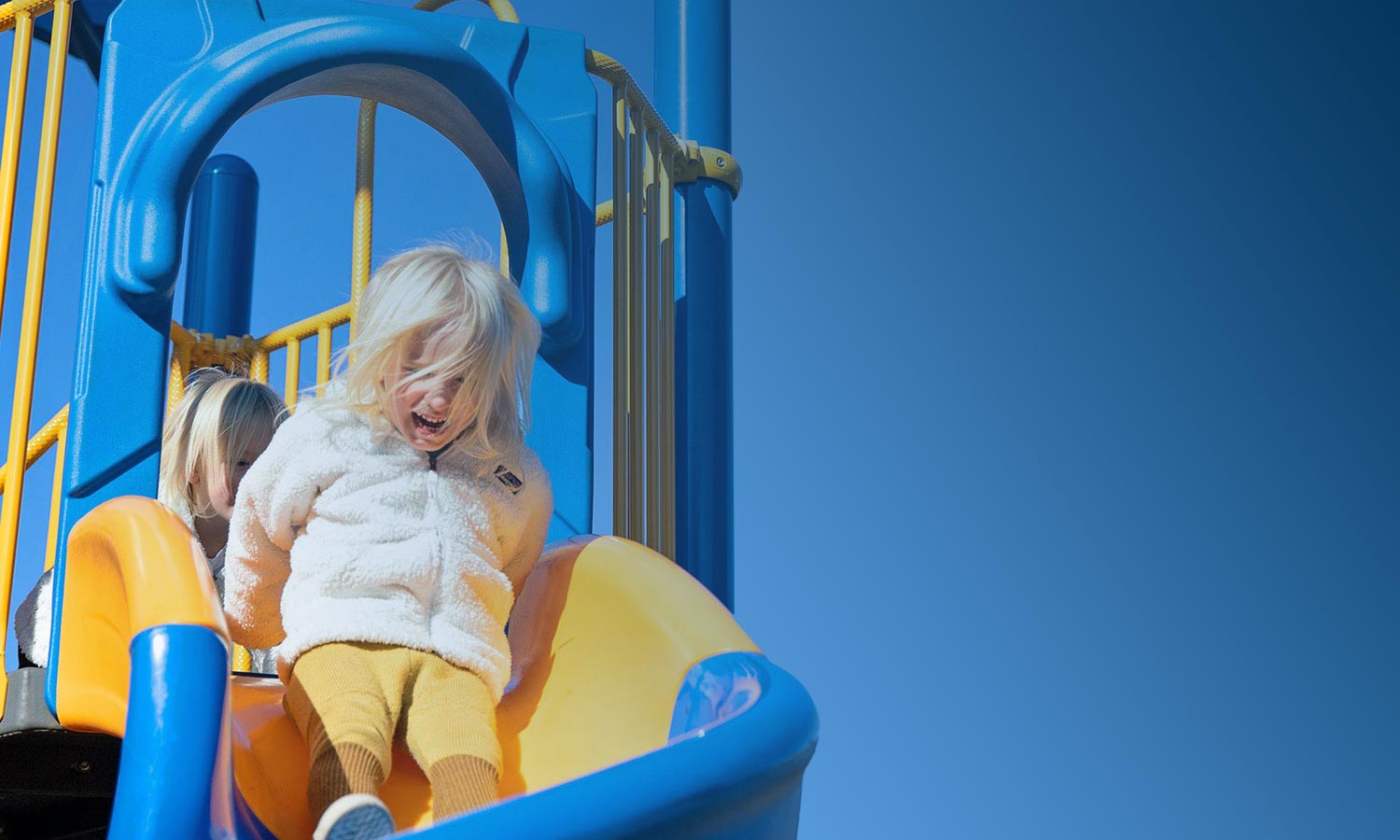
Photo from Unsplash
Equipment Examples
| Age Group | Equipment Examples |
| Children (2–12) | Slides, climbers, swings, crawl tunnels |
| Teens & Adults | Pull-up bars, cardio bikes, balance beams |
| Seniors | Tai Chi wheels, low steppers, stretching stations |
Many elements like musical panels, sit-up benches, or sensory paths are cross-generational by nature.
Design Considerations
- Provide visual and physical buffers between active and quiet zones
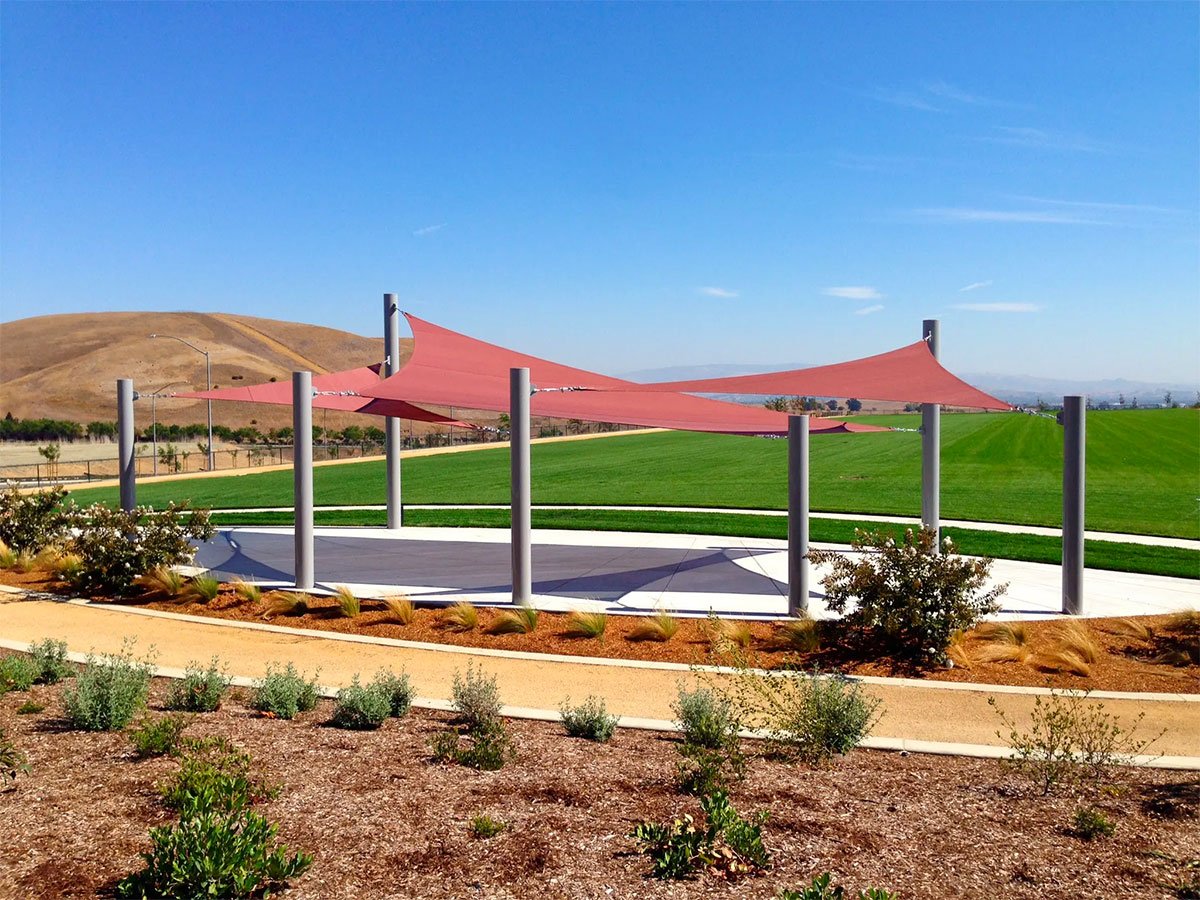
- Include ample seating, hydration stations, and shaded areas
- Use color-coded surfacing or signage to differentiate age-appropriate areas
- Ensure all amenities are located within 250 feet of each other for easy supervision and use
Safety and Maintenance
- Install fall-attenuating surfacing under all elevated or movement-based equipment
- Perform weekly safety inspections of shared-use components
- Maintain clear sightlines across the entire space for supervision
- Provide multilingual signage when possible