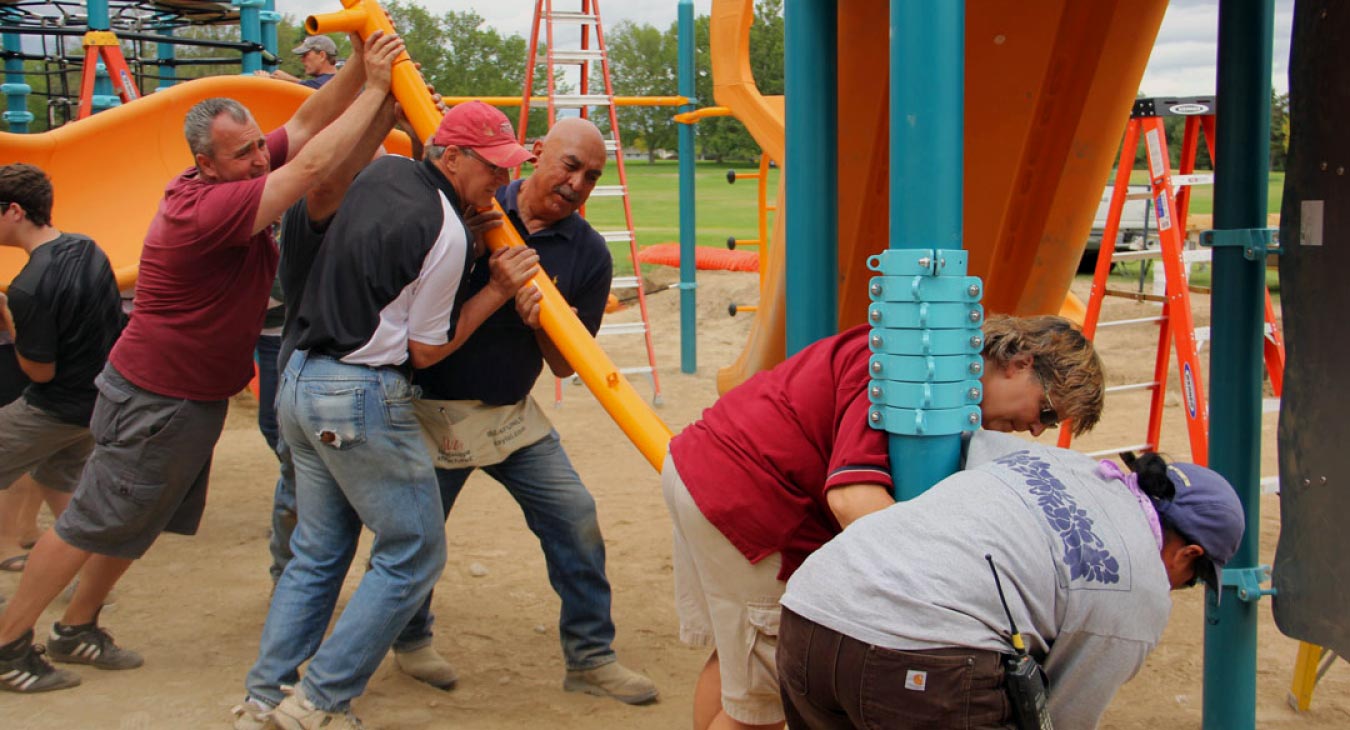
Playground Grant Resources
Securing grant funding is a key strategy for making playground projects financially feasible. Grants offer “free” funding (non‑repayable) that can significantly offset the costs of equipment, surfacing, installation, and site work. This guide highlights how to find, apply for, and successfully win playground grants.
Why Grants Matter
- They reduce the burden on budgets and can make upgrades that otherwise would be delayed or cancelled.
- Grant‑funded playgrounds often allow for higher quality materials, inclusive features, and better surfacing.
- Many funders prioritise underserved communities, inclusive design, physical activity, and safety.
Types of Grant Sources
1. Government / Public Grants
- Federal, state, and local agencies often provide grants for community development, recreation, parks & physical activity.
- Example: The National Recreation and Park Association (NRPA) publishes funding opportunities for park & recreation agencies.
- Some state education or early childhood agencies include playground equipment or facility improvements in their grant schedules.
2. Corporate & Foundation Grants
- Corporations and private foundations often fund community play spaces as part of their CSR or community development efforts.
- Example: The KaBOOM! non‑profit offers playground grants/partnerships for communities.
3. Non‑profits / Specialist Play Organisations
- Organisations specialising in playgrounds or inclusive play often provide lists of grants, resources, and support for grant writing.
How to Identify Suitable Grants
- Research by region (national vs state vs local) and by type of applicant (school, park system, non‑profit).
- Review eligibility criteria carefully: some grants may only apply to non‑profits, public schools, or specific geography.
- Check deadlines, matching fund requirements, and whether your project aligns with the funder’s priorities (e.g., inclusion, health, active play).
Grant Application Best Practices
- Write your proposal to clearly explain the need, the solution (your playground project), and the outcome (how children benefit).
- Include a detailed budget showing how the grant funds will be used and any matching or partner funds.
- Provide a realistic timeline and site‑plan illustrating equipment, surfacing, and zones.
- Demonstrate community support and sustainability (who will maintain it, how it fits into program, etc.).
- Keep track of multiple grant opportunities and deadlines — many grant databases allow filtering by region or project type.
Sample Grant Programs
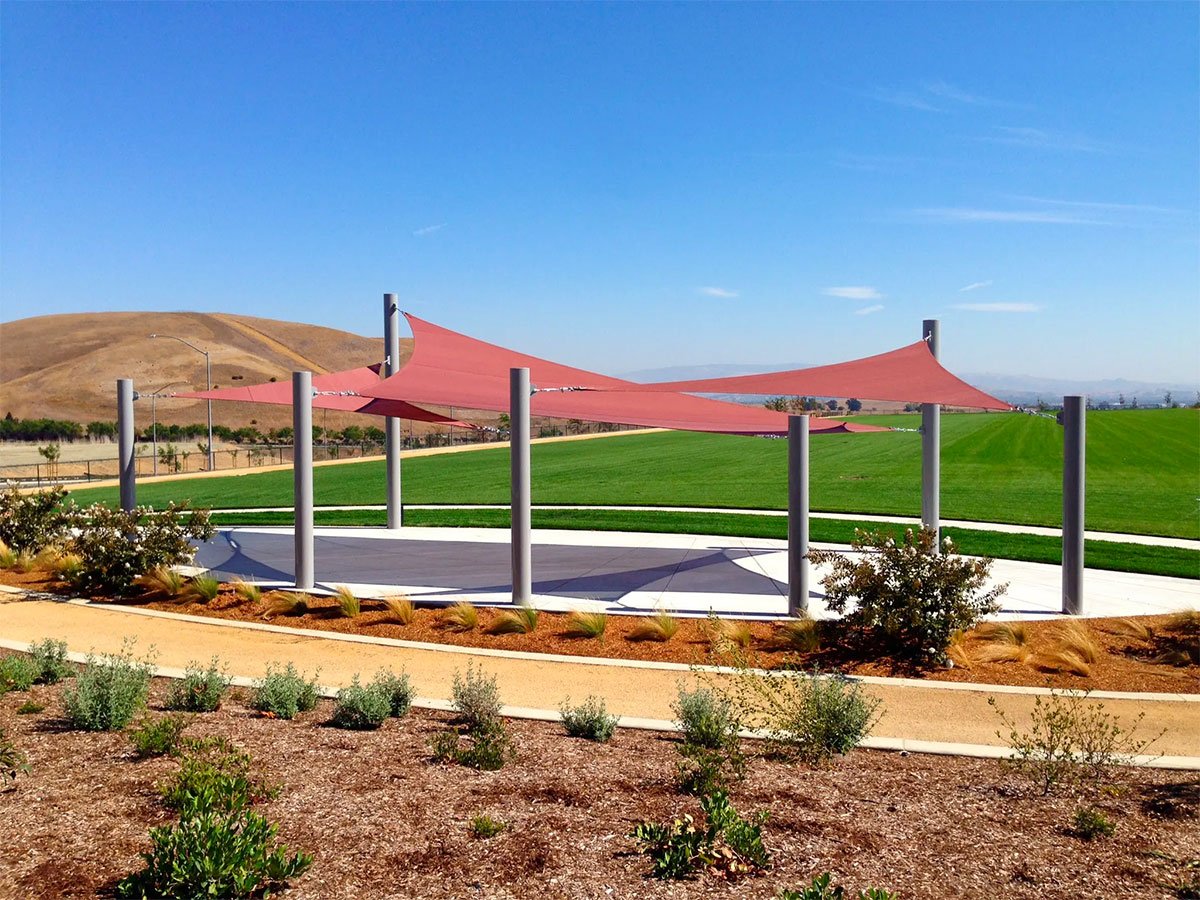
- The AAD Shade Structure Grant: up to US $8,000 for schools/non‑profits to install shade structures.
- Instrumentl database: 30+ playground funding opportunities for nonprofits with deadlines and funder insights.
Key Considerations for Your Project
- Start early. Many grants require six months or more of planning.
- Some grants require match funding (cash or in‑kind).
- Ensure your equipment and surfacing plan meet safety and compliance standards (e.g., ASTM, ADA) — this strengthens the application.
- Maintain proper documentation (quotes, drawings, inspection schedules) in case the grant award requires reporting.
- After award, keep records of expenditures, photos of project progress, and write a project summary for the funder.
Summary
Grant funding is a powerful tool to help deliver high‑quality playgrounds. By understanding the types of grants available, aligning your project to funder priorities, and following strong application practices, you increase your chances of success.