Playground Games and Markings
Playground games and markings refer to painted or embedded visual layouts on outdoor play surfaces that guide structured and unstructured play. These markings are commonly applied to asphalt, concrete, or rubber surfacing and are found in schools, daycares, parks, and urban play spaces.
Used to promote physical activity, coordination, cognitive development, and inclusive participation, playground markings are a cost-effective way to add variety, structure, and educational value to any recreational area.
What Are Playground Markings?
Playground markings are colorful, durable visual designs applied directly to the surface of a play area. They may be:
- Thermoplastic (heat-applied) – Long-lasting, weather-resistant
- Paint-based – Cost-effective, more suitable for low-traffic residential or temporary applications
- Rubber inlays – Integrated into poured-in-place surfacing for permanent designs

Benefits of Playground Games and Markings
Physical Development
- Encourage movement through jumping, balancing, skipping, and running
- Help children develop gross motor coordination and agility
- Promote healthy outdoor activity, especially in schools
Cognitive Skills & Learning
- Reinforce numbers, letters, shapes, and problem-solving
- Integrate math games, word building, or geography quizzes
- Support early education goals through play
Social & Emotional Growth
- Promote turn-taking, teamwork, and fair play
- Offer structured options during recess and breaks
- Reduce playground conflict by providing clear play areas
Common Types of Playground Games & Markings
1. Classic Games
- Hopscotch
- Four Square
- Snake and Ladder
- Twister-style Circles
These foundational games support agility, number recognition, and social interaction.
2. Fitness and Obstacle Paths
- Agility ladders
- Balance circles
- Sprint markers
- Crawl and jump zones
Often used in outdoor PE programs and school fitness circuits.
3. Learning-Based Markings
- Number lines
- Alphabet trails
- Solar system layouts
- Multiplication grids
- World maps and compass roses
These support STEAM learning and can be aligned with curriculum goals.
4. Sensory and Inclusive Paths
- Color-coded movement paths
- Calm zones and “follow the path” games
- Visual breathing or mindfulness guides
- Maze-style sensory walkways
Designed for neurodiverse children and inclusive play environments.
5. Sports Court Lines
- Basketball court outlines
- Soccer goals and penalty spots
- Tennis or badminton courts
- Running tracks and relay lanes
These help schools or HOAs create multi-use recreational zones without permanent equipment.

Age Appropriateness
| Age Group | Ideal Markings |
| 2–5 years | Shapes, colors, animal trails, simple hopscotch |
| 5–8 years | Number games, alphabet paths, four square, agility tracks |
| 9–12 years | Math grids, solar system maps, court lines, relay markings |
| All Ages | Fitness stations, world maps, inclusive calm paths |
Markings should be designed with age-appropriate scale and complexity.
Safety Considerations
- Use non-slip, ADA-compliant materials (especially on thermoplastics)
- Avoid placement near swing zones, climber exits, or slide landings
- Use fade-resistant, lead-free pigments for visibility and longevity
- Ensure markings don’t encourage running into hazardous zones
Standards & Guidelines
While there are no exclusive ASTM or CPSC standards for surface markings alone, all games must be installed on compliant surfacing and follow:
- CPSC Playground Safety Handbook for use zones
- ADA Accessibility Guidelines for accessible routes and visual guidance
- Local education board or parks department policies for public use areas
Maintenance and Durability
- Thermoplastic markings last up to 8–10 years with proper installation
- Paint markings may need touch-ups every 1–2 years depending on traffic
- Keep surfaces clean and clear of dirt and standing water
- Repaint or reheat-fuse damaged sections to maintain visual clarity
Installation Tips
- Place markings in areas with flat, smooth surfaces (asphalt, concrete, or PIP rubber)
- Allow adequate buffer zones to avoid conflicts with swings, slides, or climbing equipment
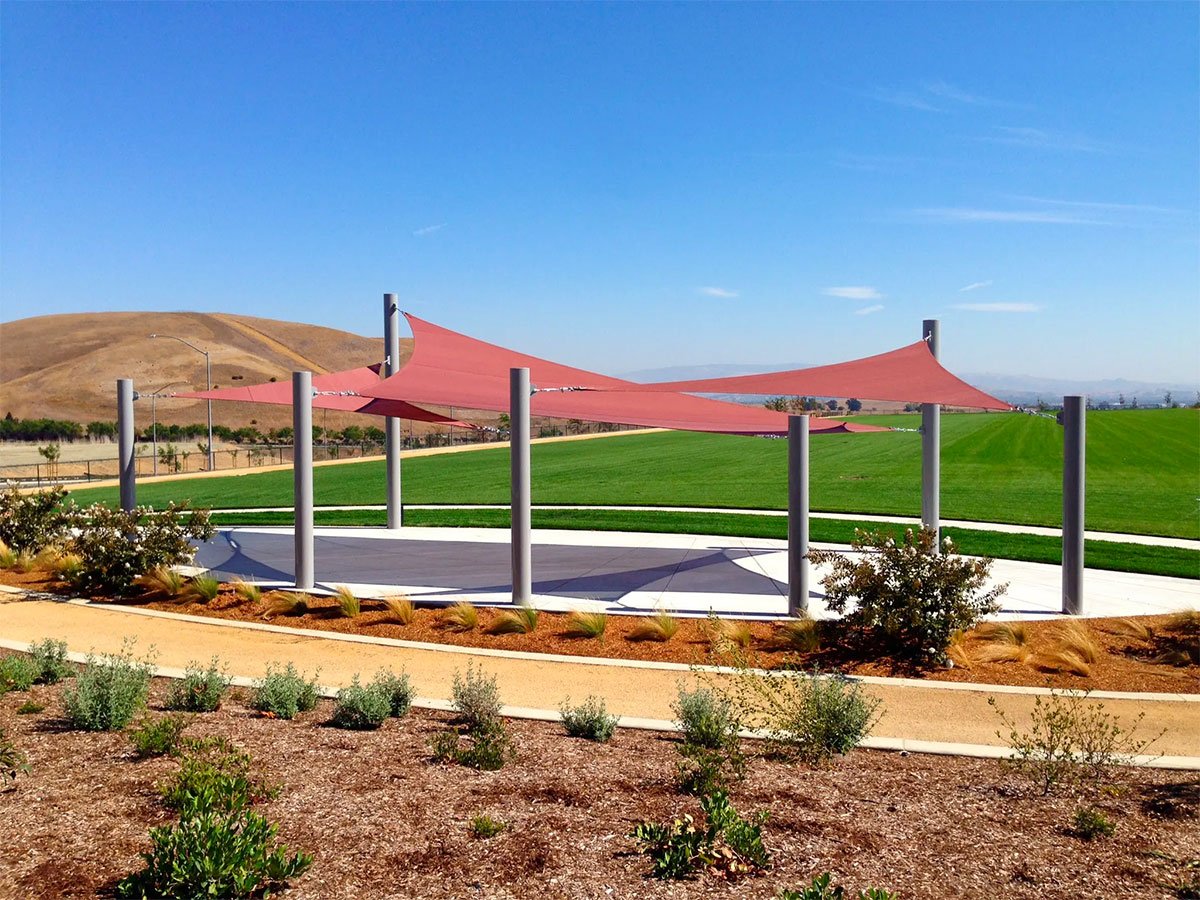
- Consider shade structures to protect from UV fading
- Engage local school boards, PTAs, or community fundraisers to support custom designs
Ideal Locations
- School playgrounds and PE courts
- Public parks and rec centers
- Urban playgrounds with limited space
- Church or daycare play areas
- Backyards with paved play pads
Related Glossary Entries
- Tricycle Tracks and Paths
- Sensory Play Elements
- Inclusive Playground Equipment
- Balance Beams
- Poured-in-Place Rubber Surfacing