Preschool Playground Equipment
Preschool playground equipment is specially designed for children aged 2 to 5 years, with a focus on age-appropriate physical development, safety, and sensory stimulation. This age group is still developing balance, coordination, social awareness, and motor skills—so equipment must be scaled, accessible, and engaging without introducing unnecessary risks.
Whether installed at a daycare, preschool, early childhood center, or church, this equipment plays a critical role in early learning through active, imaginative play.
What Makes Preschool Equipment Different?
Preschoolers are smaller, less coordinated, and more exploratory than older children. As such, their playground equipment differs from school-age equipment in a few key ways:
Size and Scale
- Platform heights are typically under 36 inches
- Shorter slides with gentle slopes
- Smaller climbers with easy-to-grip handholds
- Lower fall heights and reduced step spacing
Safety Design
- No sharp edges, pinch points, or head entrapment risks
- Enclosed platforms and sturdy handrails
- Impact-absorbing surfaces (e.g., rubber tiles, EWF)
Developmental Focus
- Encourages gross motor skills, balance, and imaginative play
- Includes sensory elements such as textures, sounds, and color
- Designed for parallel play, cooperative games, and social skill-building
ADA & CPSC Compliance
Preschool playgrounds must comply with:
- CPSC Playground Safety Guidelines
- ASTM F2373 – specifically for children under 5
- ADA Accessibility Standards

Common Types of Preschool Playground Equipment
Low Platform Structures
Compact systems with integrated slides, stairs, and crawl-through spaces.
Slides
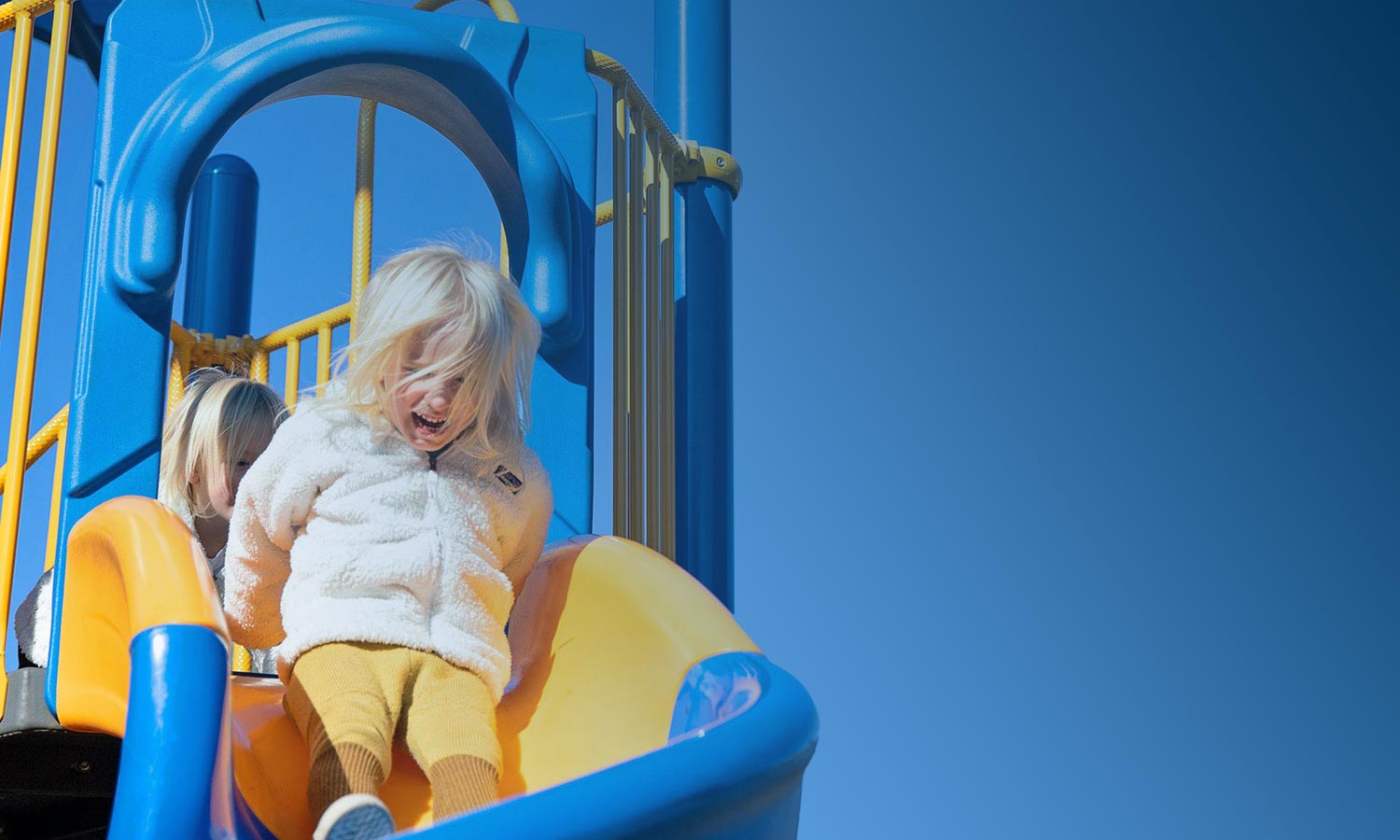
- Straight or gently curved
- Typically 4 ft or shorter
- Wide and enclosed for comfort and safety
Climbing Features
Scaled-down climbing walls, ladders, or ramps with short ascents.
Sensory Panels
Interactive ground-level play panels for sound, texture, shape matching, and problem-solving.
Crawl Tunnels
Tactile and exploratory tunnels to encourage movement and pretend play.
Spring Riders
Animal-shaped or vehicle-themed riders that bounce gently.
Balance Features
Simple balance beams, stepping stones, or bridges with low elevation.
Shade Structures
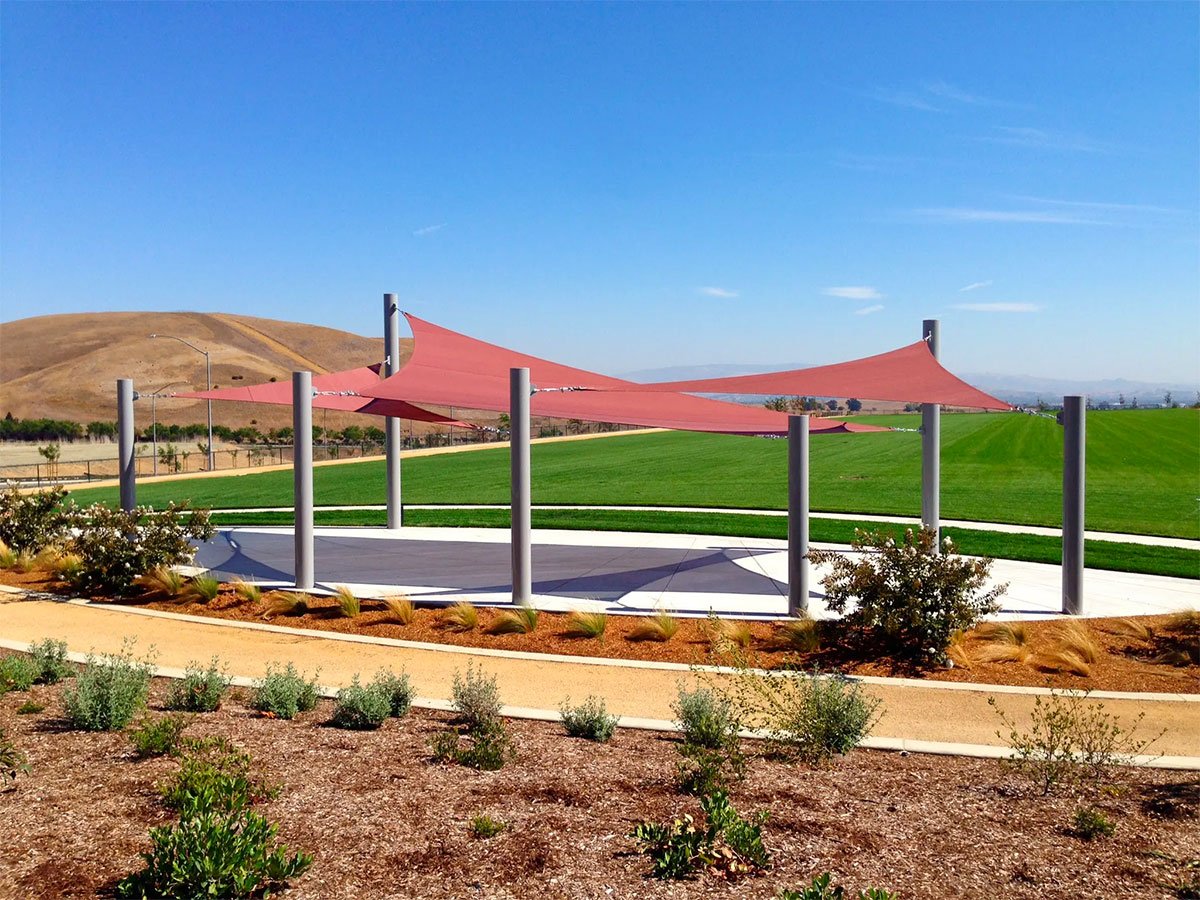
Canopies, sail shades, or built-in roofs help protect children from sun exposure.

Ideal Settings for Preschool Equipment
Preschool systems are found in:
- Licensed daycare centers
- Private and public preschools
- Church playgrounds
- HOA or neighborhood toddler parks
- Community centers
- Apartment complexes with family housing
In all of these settings, the equipment should:
- Be enclosed with fencing (recommended for ages 2–5)
- Be installed over certified impact-absorbing surfacing
- Include visible supervision areas for staff and caregivers
Planning a Preschool Playground
When planning a playground for young children, consider the following:
| Planning Element | Best Practice |
| Age Group | Equipment rated for ages 2–5 only |
| Platform Height | Max 36 inches (CPSC guidelines) |
| Use Zones | 6 ft clearance around all equipment |
| Surfacing | Rubber mulch, poured-in-place, or engineered wood fiber |
| Capacity | Estimate 1 child per 15–25 sq ft of active play area |
| Accessibility | Include transfer stations, ramps, and ground-level activities |

Safety & Accessibility
Preschool equipment must follow:
- ASTM F2373 – Safety standard for equipment under 5
- ASTM F1292 – Impact attenuation for surfacing
- ADA Standards – Access to elevated and ground-level components
- CPSC Safety Handbook – Design and maintenance recommendations
For indoor preschool play areas, consult additional local fire and egress codes.
Common Add-Ons and Features
- Musical instruments (drums, chimes)
- Tricycle paths or loops
- Shade sails
- Garden or nature play components
- Dramatic play features (puppet theater, store front)
- Cozy spots or reading nooks for quiet play
Related Glossary Entries
- School Age Playground Equipment
- Inclusive Playground Equipment
- Play Panels and Activity Boards
- Rubber Playground Surfacing
- ADA Playground Compliance