Entry Height
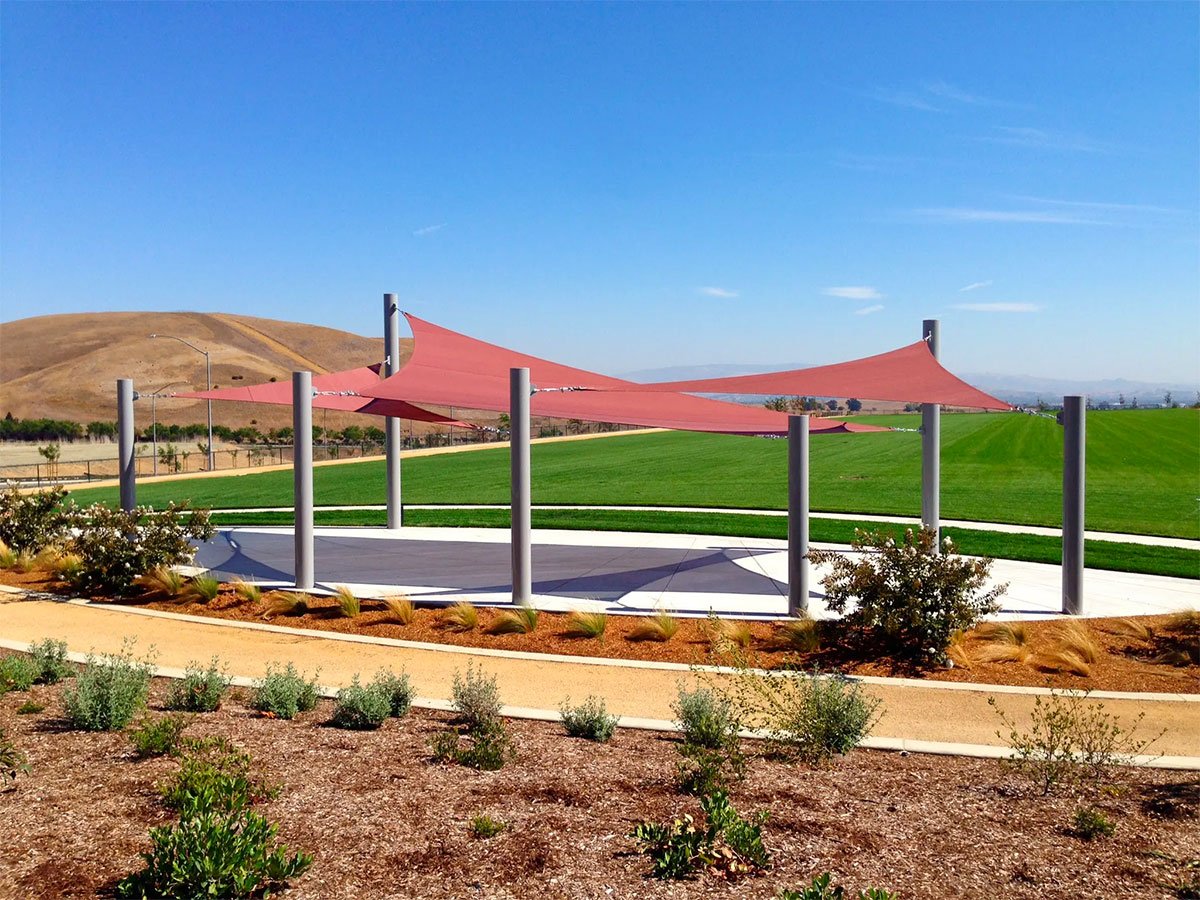
Entry height refers to the vertical distance between the ground level and the lowest accessible edge or underside of a shade structure where people enter or walk beneath. This measurement is essential in planning for safety, usability, and regulatory compliance—particularly in playgrounds, parks, schools, and commercial settings.
Importance of Entry Height
- Safety Compliance: Ensures users don’t accidentally collide with structural elements.
- User Comfort: Allows smooth entry for people of all sizes, including adults and children.
- Accessibility Standards: Must accommodate individuals with mobility aids like wheelchairs and walkers.
- Operational Needs: In areas like sports courts or equipment zones, higher entry clearance may be required for activity range or maintenance access.
Typical Entry Height Ranges
| Use Case | Recommended Entry Height |
| Playground zones | 7’–8’ (2.1–2.4 m) |
| Walkways and open areas | 8’–10’ (2.4–3.0 m) |
| Sports courts / vehicle access zones | 12’+ (3.6 m and above) |
📌 Entry height should be calculated after accounting for site grade variations and surfacing depth (e.g., rubber tiles, artificial grass, etc.).
Clearance vs. Entry Height
- Entry height is where users access or pass under the shade.
- Clearance height is the lowest point underneath the shade canopy.
Designs like cantilever or rotating shades may vary significantly between entry and clearance height.