In-Ground Mount for Shade Structures
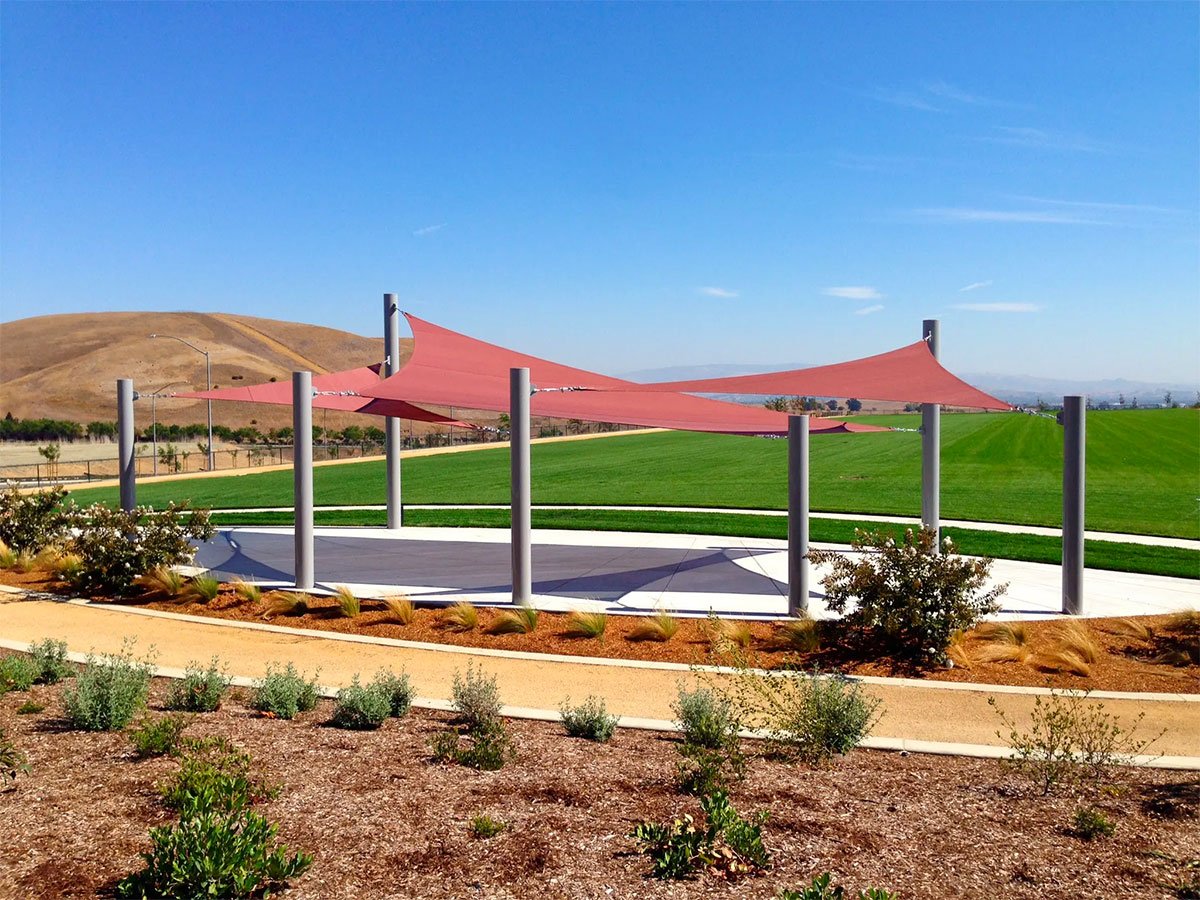
In-ground mounting is one of the most commonly used and secure methods for installing shade structures in playgrounds, parks, and recreational facilities. This method involves embedding structural posts directly into the ground and stabilizing them with concrete footings.
What is In-Ground Mounting?
In-ground mounting refers to installing the vertical posts of a shade structure by embedding them into holes drilled into the soil or surface. These posts are then anchored with poured concrete, creating a durable and permanent foundation that resists wind uplift and lateral forces.
Key Benefits
- Enhanced Stability: With concrete footings, inground-mounted shade structures can meet strict wind load requirements.
- Permanent Installation: Ideal for long-term shade needs in high-traffic environments.
- Versatile Applications: Suitable for most terrains including grass, dirt, asphalt, and concrete.
Installation Overview
1. Site Preparation
Excavate footing holes based on engineered specs (depth, width, soil type). Clear vegetation and level the surrounding area.
2. Post Setting
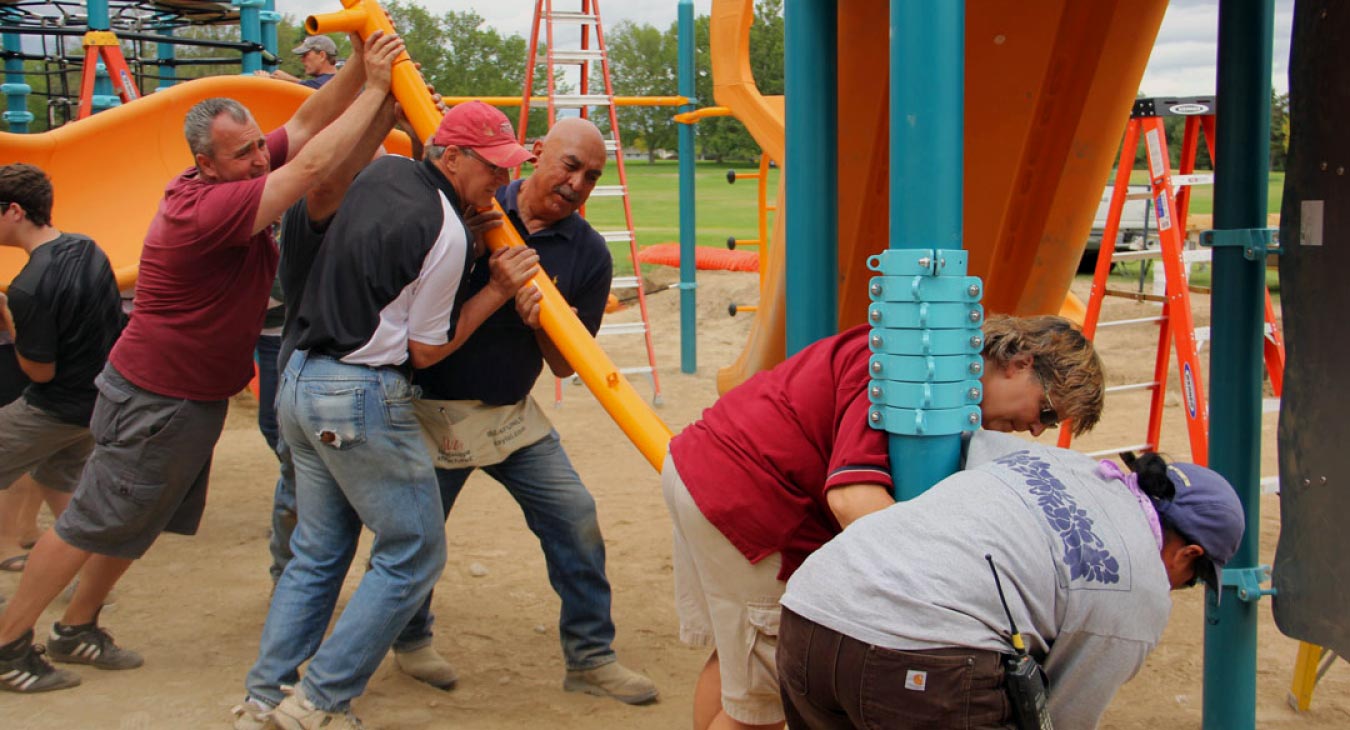
Place steel powder-coated posts into the holes, ensuring plumb alignment. Use braces to hold in place.
3. Concrete Pouring
Concrete is poured to recommended depth and allowed to cure fully—typically 24–48 hours minimum.
4. Canopy Attachment
Once the concrete has cured, the shade canopy can be installed with quick-release mechanisms or fixed hardware.
Considerations
- Depth and Diameter: Must be calculated based on soil condition, structure height, and wind/snow load specs.
- Drainage: Proper grading or drainage systems must be considered to avoid water pooling near the footings.
- Inspection Requirements: Check local codes for inspection post-setting and pre-canopy install.
Compliance and Ratings
- Wind Load Rating: Can support 75–120+ mph wind loads depending on structure design.
- Building Code Alignment: Often required to meet IBC, ASTM, and local municipal codes.