Surface Mount for Shade Structures
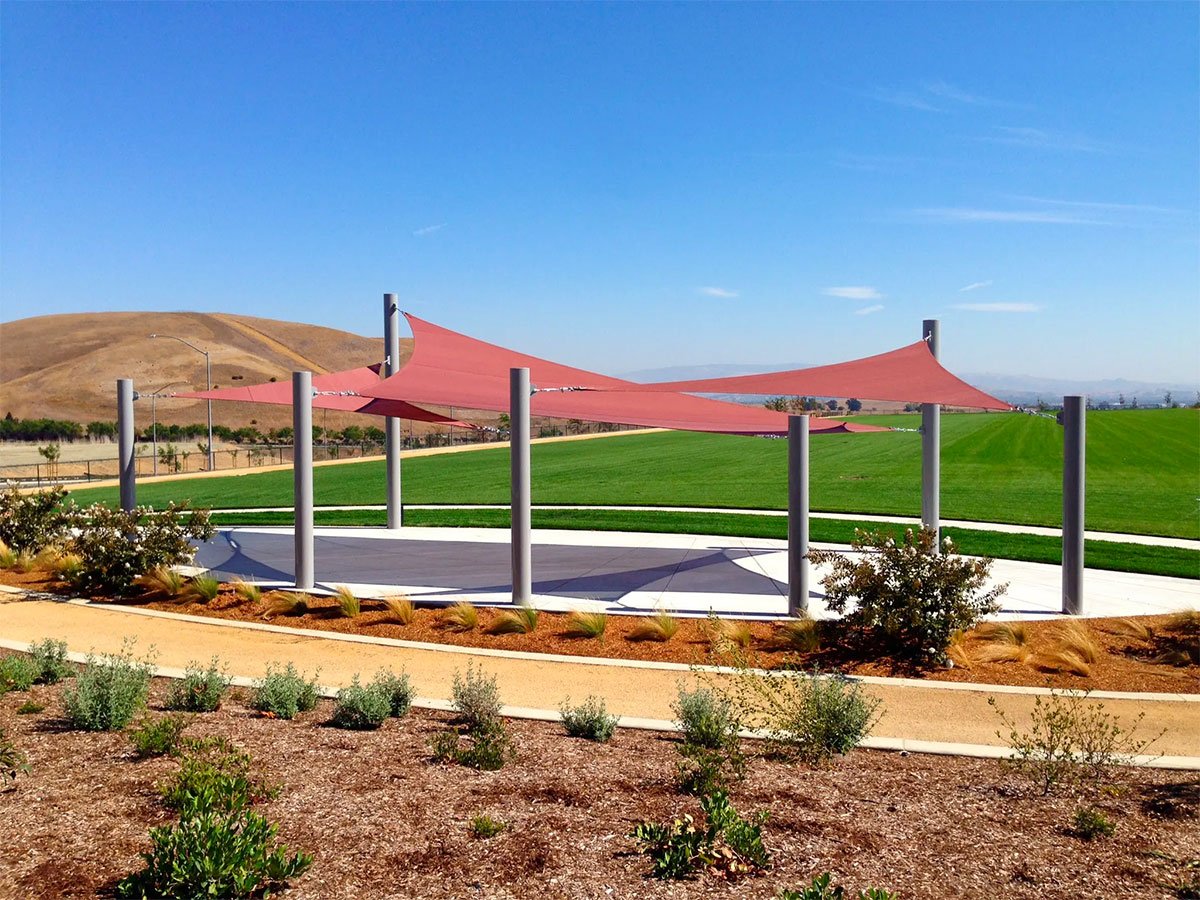
Surface mounting is a flexible and efficient installation method used for shade structures where digging into the ground is impractical or not permitted. Commonly seen in urban environments, rooftops, or over existing concrete pads, surface mounting relies on securing posts with base plates and heavy-duty anchor bolts.
What Is Surface Mounting?
A surface mount setup involves attaching steel posts to a concrete slab using welded steel base plates. This eliminates the need for underground excavation and is ideal for projects requiring speed, mobility, or structural limitations due to utility lines or foundations.
Key Benefits
- No Excavation Required: Perfect for sites where underground digging isn’t feasible.
- Rapid Installation: Reduced labor and project time compared to inground mounting.
- Great for Retrofit Projects: Easily installed over existing concrete pads in schools, parks, or commercial spaces.
Installation Overview
1. Pad Inspection
Ensure the existing concrete slab meets minimum thickness and reinforcement requirements, often at least 6" thick with rebar grid.
2. Base Plate Positioning
Align the base plates on the slab based on layout plans, marking locations for anchor bolt drilling.
3. Drilling and Anchoring
Use concrete anchors (e.g., wedge or epoxy anchor bolts) to securely fasten the plates. Ensure all bolts meet shear and tensile load requirements for the structure.
4. Post and Canopy Attachment
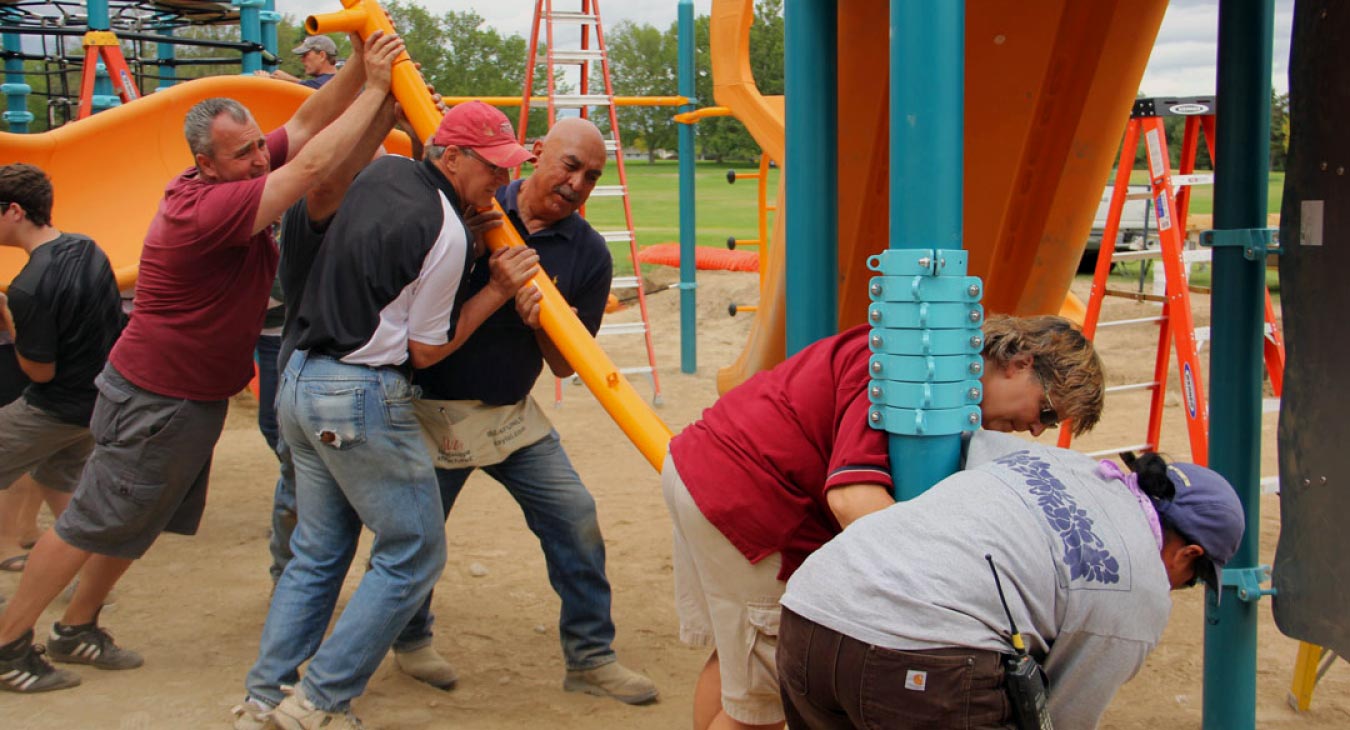
Attach steel posts to the base plates. Canopies can be mounted once all structural hardware is secure.
Engineering Considerations
- Wind Load Compliance: Surface mounts must meet same wind load tolerances as inground when properly engineered.
- Bolt Type & Depth: Anchor bolts must meet specifications for wind and live loads.
- Structural Concrete Pad: Concrete must be crack-free, level, and properly reinforced for load transfer.
Ideal Use Cases
- Urban courtyards
- Concrete patios
- Rooftop playgrounds
- Temporary installations