Permitting
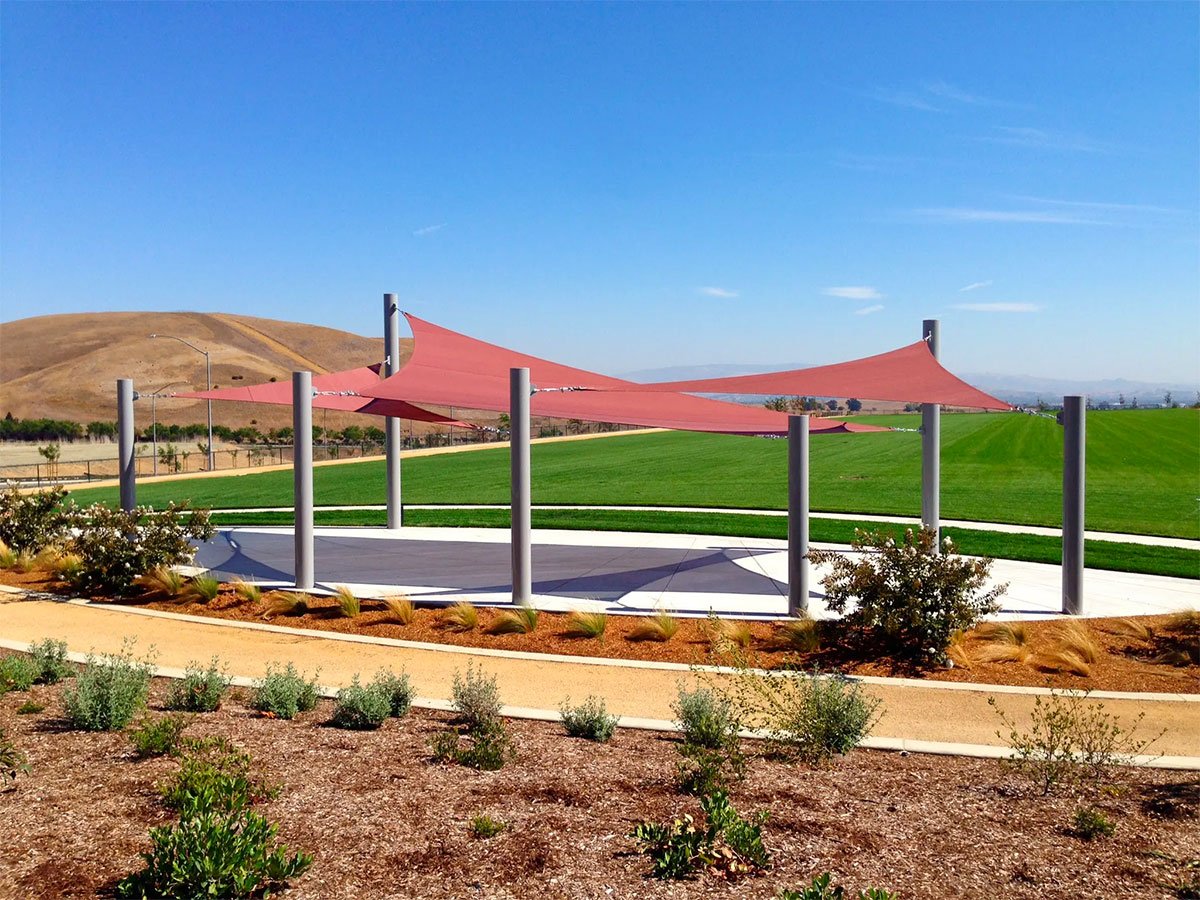
Before installing a shade structure, whether in a public park, school, or commercial venue, securing the proper permits is a critical step to ensure legal compliance, site readiness, and safety. Local building departments typically require specific documentation and inspections prior to and during the installation process.
Why Permits Are Required
- Legal Authorization: A permit is a city or county’s way of ensuring the structure meets local building codes, zoning laws, and safety regulations.
- Public Use Accountability: If the shade structure is being installed in a space open to the public (e.g., a school, church, or municipal park), compliance becomes mandatory.
- Environmental & Structural Impact: Permits often consider local conditions such as soil type, flood zones, and wind exposure.
- Insurance & Liability: Insurance claims may be denied for structures built without a permit if an accident occurs.
Typical Documents Needed
- Engineered Drawings: Signed and sealed by a licensed structural engineer, customized to the installation site.
- Site Plans: Diagrams showing property boundaries, distances from other structures, utilities, etc.
- Load Calculations: Wind load, snow load, live and dead load requirements depending on jurisdiction.
- Product Cut Sheets: Details of the fabric, posts, anchors, and mechanisms used.
- Permit Application Form: Specific to your city, county, or state, and often available online.
Steps in the Permitting Process
-
Pre-Design Consultation
- Contact local planning/zoning offices to understand applicable codes and submission requirements.
-
Documentation Preparation
- Work with a certified manufacturer or dealer to obtain required specs and drawings.
-
Submission
- File the permit with the city/county along with the required fees.
-
Review and Revisions
- Building officials may request corrections or clarifications.
-
Permit Approval
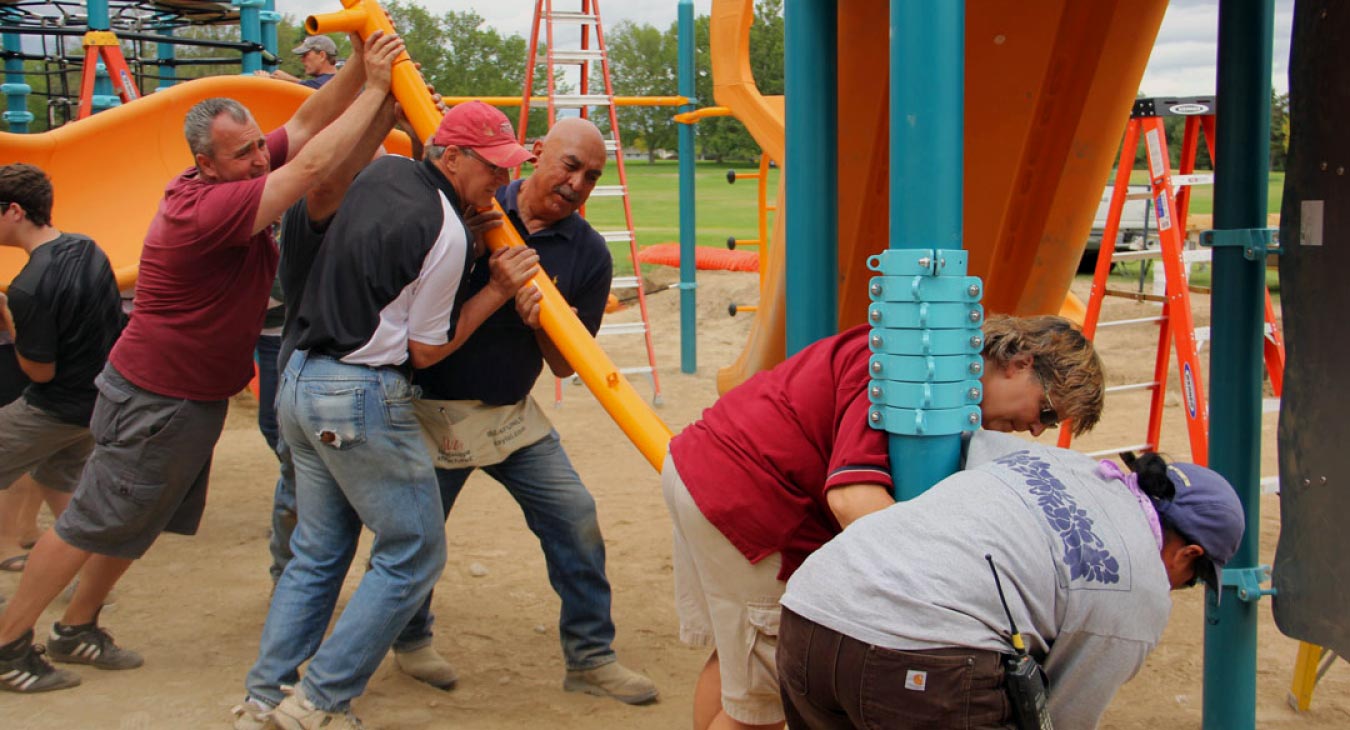
- Once issued, installation may begin under the supervision of licensed professionals.
-
Inspections
- Periodic or final inspections may be required, particularly for foundation footers and structural anchors.
Pro Tips
- Start Early: Permitting can take several weeks to months depending on the jurisdiction.
- Work with Experienced Vendors: Shade suppliers familiar with permitting can streamline the process.
- Don’t Skip This Step: In many regions, installing without a permit can result in fines, forced removal, or denied insurance claims.