Shade Structure Frame
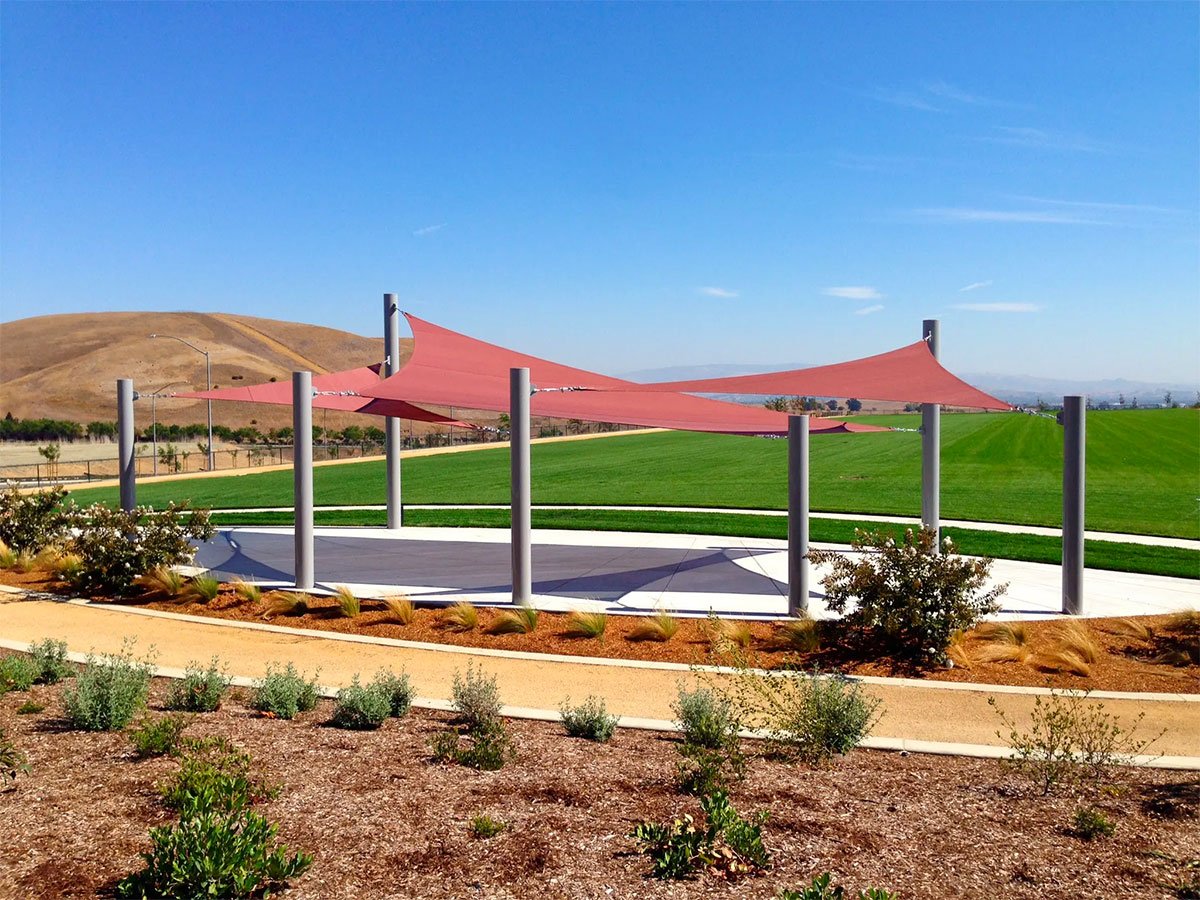
The frame of a shade structure is the core load-bearing element that defines its strength, durability, and overall architectural integrity. Whether installed in a commercial playground, park pavilion, or schoolyard, a well-engineered frame ensures the longevity of the entire shade system and its compliance with building codes and environmental challenges.
Function of the Frame
A shade structure frame provides:
- Structural Support: Transfers loads (wind, snow, fabric tension) to the foundation.
- Shape and Tension: Maintains the fabric's shape and proper tautness.
- Aesthetic Appeal: Defines the visual design (hip, cantilever, sail, etc.).
Common Frame Materials
| Material | Description |
| Powder-Coated Steel | Most widely used; corrosion-resistant and durable with aesthetic finishes |
| Galvanized Steel | Offers excellent rust protection, often used in coastal or humid climates |
| Aluminum | Lightweight but less common in commercial-grade applications |
🔗 Learn more: Powder-Coated Steel vs Galvanized Steel
Frame Design Elements
-
Posts (Vertical Columns)
Provide the vertical support. These are usually embedded in concrete footers or anchored with mounting plates. -
Beams (Horizontal or Sloped Members)
Connect the posts and provide horizontal support for the shade fabric. -
Attachment Points
Welded or bolted fittings where the fabric is tensioned, typically including:- Cable attachment points
- Corner brackets or tensioners
- Eye bolts and turnbuckles for sails
-
Gussets and Reinforcement Plates
Strengthen high-stress areas to resist fatigue or frame flex under wind/snow loads.
Finishing and Coatings
Most commercial shade structure frames are finished with:
- Zinc-rich primer (for added corrosion protection)
-
TGIC polyester powder coating, applied electrostatically and baked to a durable finish
Available in custom RAL colors to match park or playground themes.
🔗 Coating durability reference: ASTM D3359 & D3363 Standards
Maintenance Considerations
- Inspection: Conduct annual inspections for rust, scratches, or structural fatigue.
- Touch-up Paint: Small chips in the powder coating should be repainted to prevent corrosion.
- Tension Re-check: Ensure structural components are not over-stressed from fabric tension.