ADA Compliance in Waterparks
Designing Accessible Aquatic Experiences for All Visitors
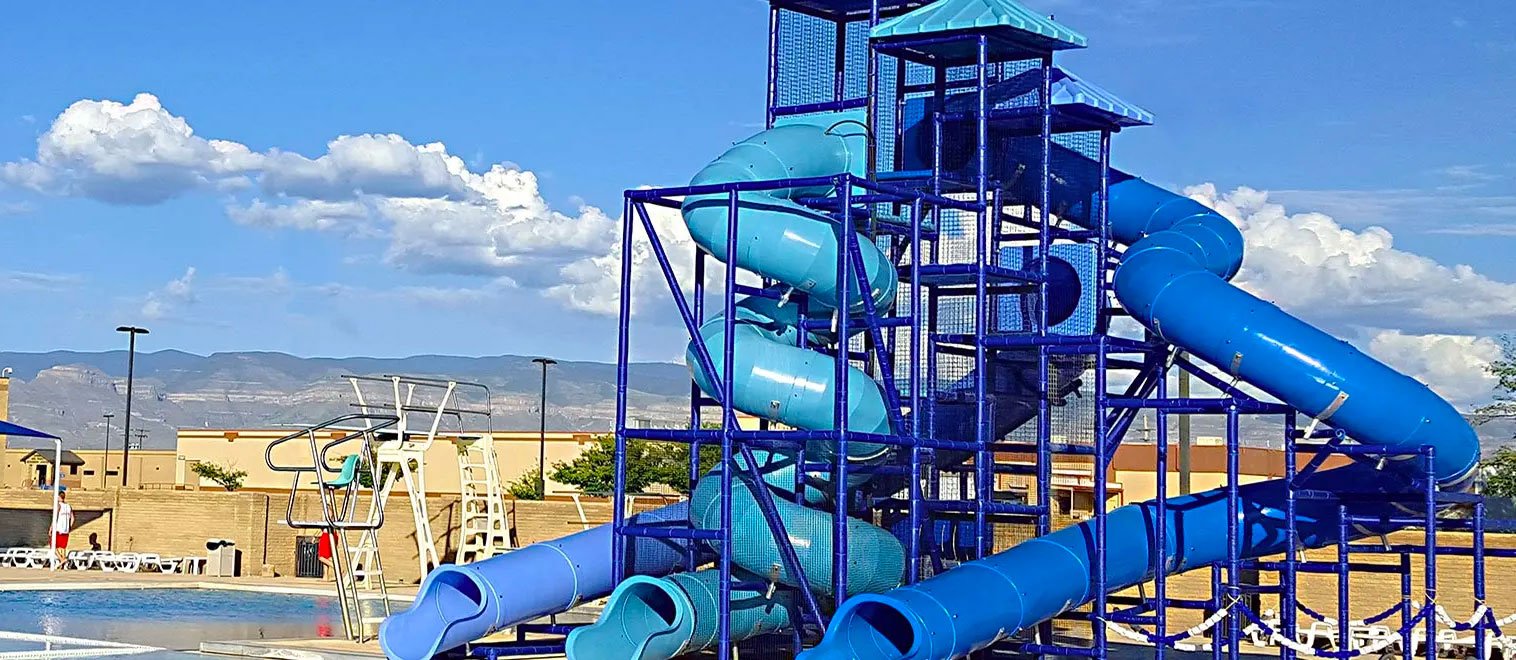
Ensuring ADA (Americans with Disabilities Act) compliance in waterparks is not only a legal requirement—it’s a commitment to inclusion. Modern waterparks and water slides must be accessible to individuals with disabilities through thoughtful design, inclusive play elements, and accessible support infrastructure.

Key ADA Requirements for Waterparks
1. Accessible Routes
- Must be at least 36 inches wide
- Slip-resistant and stable surfacing (e.g., concrete, textured tiles)
- No abrupt changes in level greater than ½ inch
2. Accessible Entries to Pools & Splash Pads
- At least two means of access for pools over 300 linear feet (e.g., sloped entry and lift)
- Splash pads must include zero-depth or ramped entry zones
- Handrails must be provided for ramps and sloped entries
3. Transfer Stations & Pool Lifts
- Pool lifts must be located in the shallow end (≤ 48 inches deep)
- Minimum lifting capacity of 300 lbs
- Must be independently operable by the user
Inclusive Water Play Features
| Feature Type | ADA Inclusive Example |
| Water cannons | Mounted at accessible height with looped handles |
| Ground sprayers | Flush with surface for wheelchairs and walkers |
| Dump buckets | Time-delayed operation or activation by touch |
| Sensory elements | Interactive panels with sounds and textured paths |

Restroom & Changing Area Requirements
- Accessible stalls with grab bars
- Roll-in showers with handheld sprayers
- Family/unisex changing rooms with adequate turning radius
- Accessible lockers with reach range between 15”–48”
Additional ADA Considerations
- Signage with Braille and high contrast
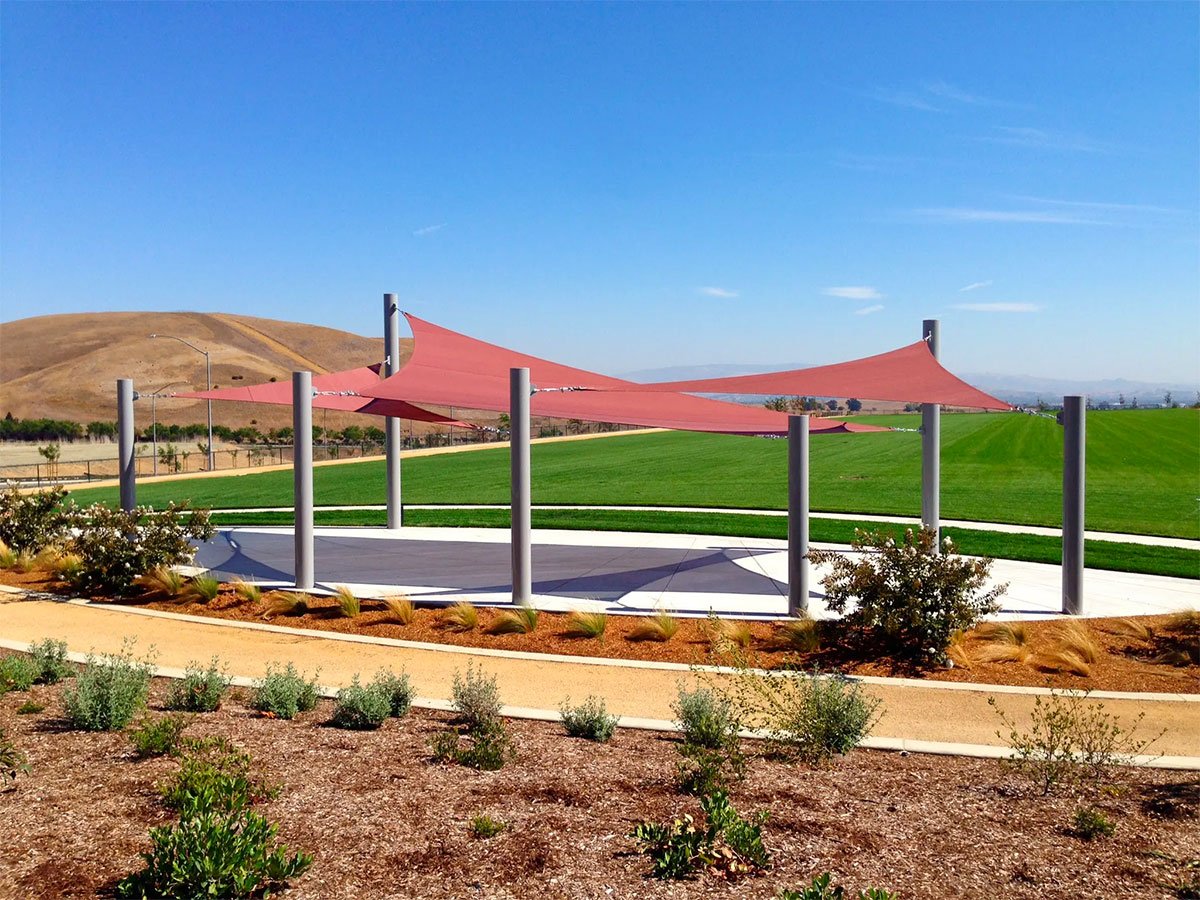
- Shade areas with accessible seating options
- Water temperature control (important for sensitivity and comfort)
- Auditory and visual cues in interactive structures
- ADA-compliant gates, fencing, and emergency exits
Benefits of Inclusive Waterpark Design
- Wider audience reach: Families and groups with diverse needs can participate
- Reduced liability: Compliant designs reduce legal risks
- Community goodwill: Inclusive facilities are community assets
- Funding opportunities: ADA compliance may unlock grants or incentives