Body Slides vs Tube Slides
Choosing the right type of water slide means balancing user experience, safety, budget, and design constraints. Two of the most common slide categories—body slides and tube slides—offer distinct advantages and cater to different user needs. This guide breaks down the key differences to help planners, designers, and facility managers make informed decisions.

Body Slides
What They Are
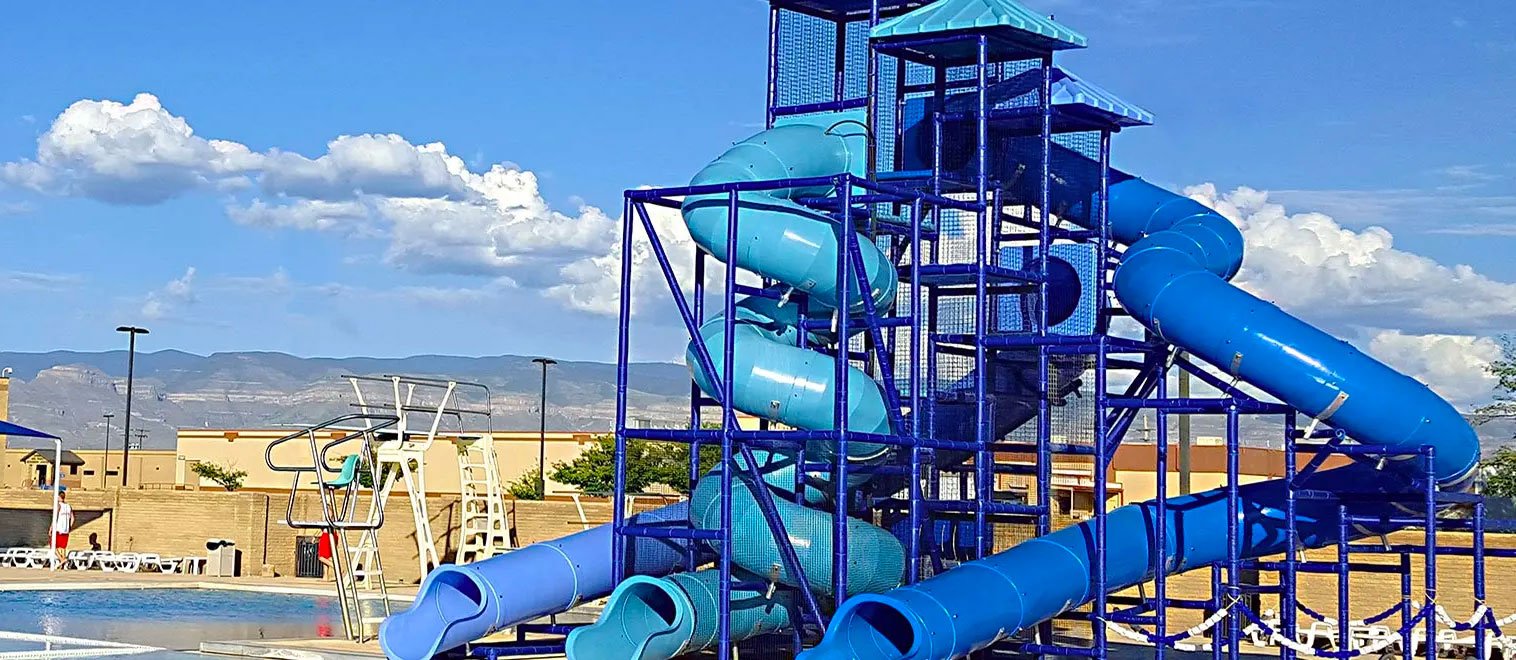
Body slides are open or enclosed flumes where riders descend without the use of any equipment. Users ride directly on the slide surface, usually in a seated or lying position.
Key Features
- Open or fully enclosed
- Straight, spiral, or wavy configurations
- Generally smaller footprint
- Shorter queue time
Pros
- Lower cost of entry — no tubes to purchase or store
- Faster loading/unloading for high-throughput areas
- Simple to maintain with fewer moving parts or accessories
Cons
- Lower perceived thrill compared to tube slides
- Less padding between rider and surface—potential for minor abrasions
- Less suited for dark/light show effects unless fully enclosed
Best For:
- Campgrounds and municipal parks
- Budget-conscious projects
- All-ages family recreation areas
Tube Slides
What They Are
Tube slides require an inflatable or hard plastic tube to ride. The tube can be for single or multiple riders and slides are often enclosed to enhance speed and safety.
Key Features
- Fully enclosed tunnels
- Designed for use with tubes (single/double)
- Often longer and more complex
- Provide a floating, cushioned ride
Pros
- Enhanced thrill due to speed and enclosed twists
- More comfortable ride with less body contact
- Customizable with sound, lights, or themed enclosures
Cons
- Higher installation and maintenance costs
- Tube management required (storage, inflating, cleaning)
- Longer loading times due to equipment handling
Best For:
- Resorts and large-scale commercial waterparks
- Experiences that emphasize immersion or sensory effects
- Water rides targeting thrill-seekers or themed experiences
Comparison Table
| Feature | Body Slide | Tube Slide |
| Ride Type | No equipment | Inflatable tube required |
| User Experience | Direct surface contact | Cushioned, float-style ride |
| Thrill Level | Moderate | High |
| Cost | Lower | Higher (equipment + water flow) |
| Maintenance Complexity | Lower | Higher (tube upkeep) |
| Ideal Use Case | General recreation | Premium attractions |
Final Thoughts
Both body and tube slides are excellent additions to waterparks, but the choice depends on:
- Your target demographic
- Available space
- Budget
- The type of experience you want to offer
In many cases, combining both can help appeal to a broader range of park visitors.