HDPE Plastic Components in Playground Equipment
High-Density Polyethylene (HDPE) has become one of the most widely used materials in modern playground equipment due to its strength, safety, and versatility. Commonly used for slides, panels, tunnels, and activity boards, HDPE is an industry standard in both commercial and residential applications.
This guide explores the benefits, limitations, and best use cases for HDPE plastic components, with insights from manufacturers and industry standards like ASTM F1487.
🔹 What Is HDPE?
HDPE (High-Density Polyethylene) is a thermoplastic polymer made from petroleum. It’s known for its high strength-to-density ratio and is used across many industries for structural and non-structural applications.
Key Properties:
- Lightweight yet highly impact-resistant
- UV-stabilized for outdoor use
- Non-toxic and splinter-free
- Resistant to mold, mildew, and corrosion

🔹 Common Playground Uses
HDPE is often molded or CNC-cut into various playground components, including:
- Play panels and activity boards
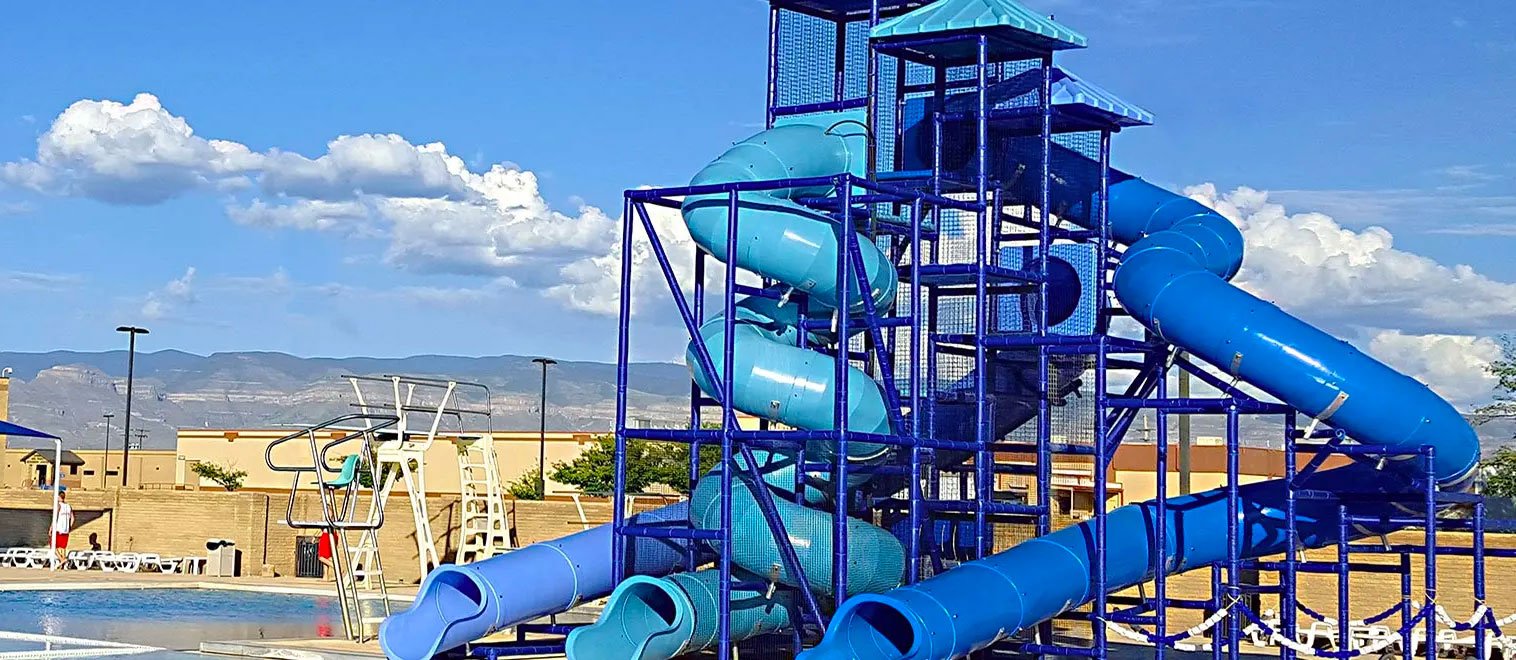
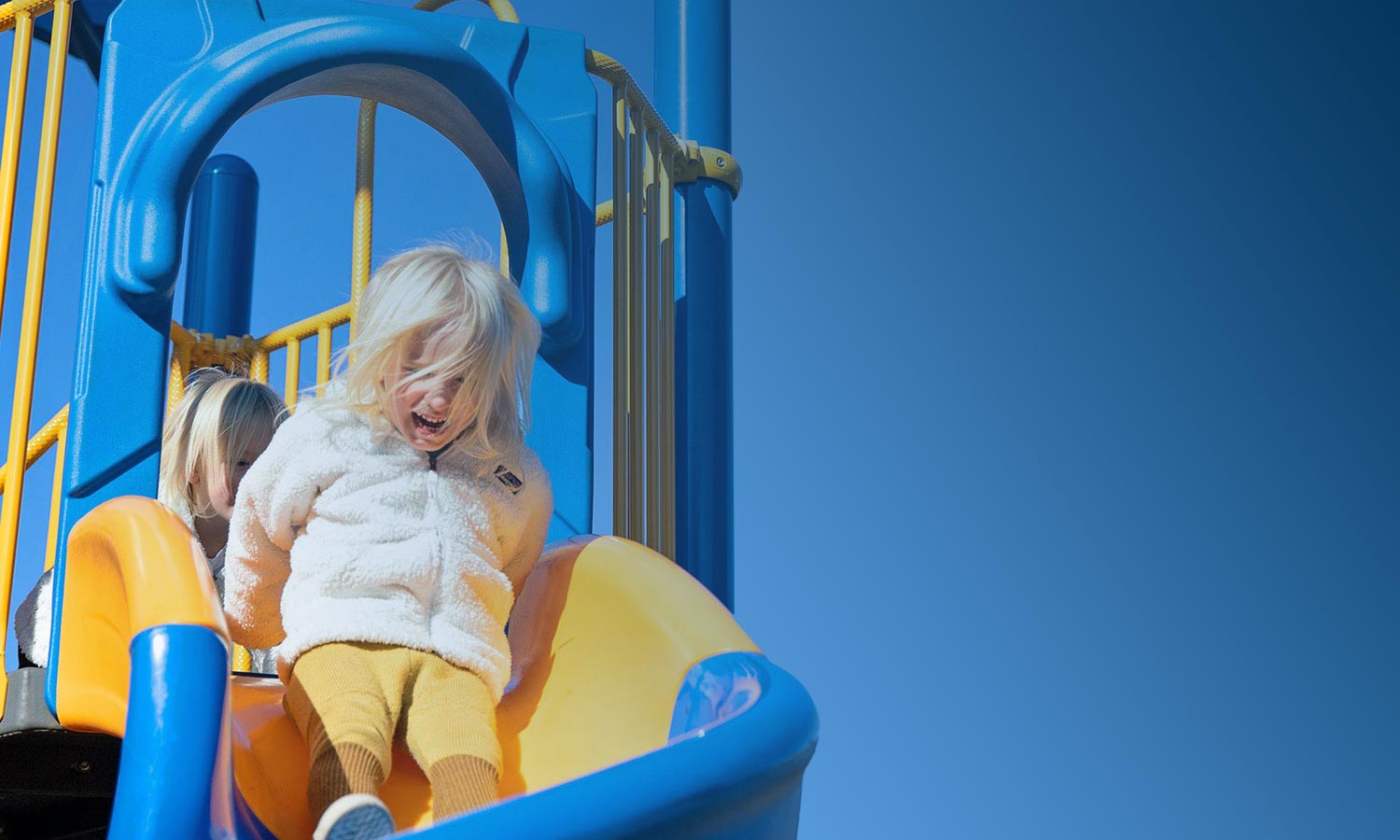
- Slide chutes and tunnels
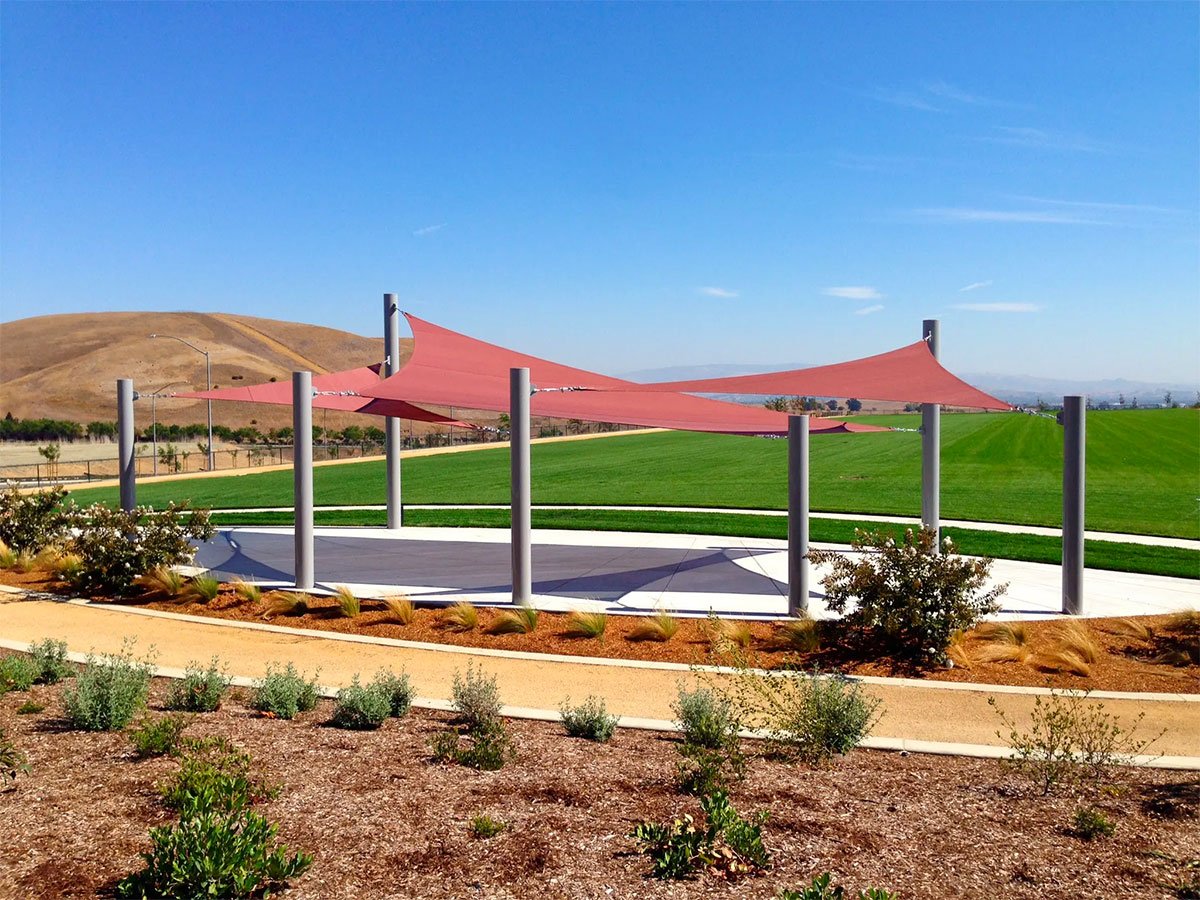
- Roofs and shade elements
- Custom-themed façades
- Interactive sensory elements (musical, tactile, visual)
Because HDPE comes in vibrant, UV-stable colors, it eliminates the need for paint or coatings, reducing long-term maintenance.
🔹 Benefits of HDPE for Playgrounds
| Feature | Advantage |
| Durability | Will not crack, splinter, or rust |
| Color Retention | UV inhibitors preserve appearance for years |
| Safety | Rounded, smooth edges reduce injury risk |
| Low Maintenance | Easy to clean; no repainting needed |
| Design Flexibility | Custom engraving, theming, or shapes possible |
📎 Tip: Look for HDPE that meets or exceeds ASTM F1487 impact and toxicity standards.
🔹 Limitations to Consider
- Not as structurally load-bearing as steel or wood
- Can warp slightly in extreme heat if poorly supported
- More expensive than basic plywood or painted MDF
🛑 HDPE should not be used for primary support posts or weight-bearing beams.
🔹 Environmental Impact
- Most HDPE playground-grade materials are made from 25–100% recycled plastic
- Fully recyclable at end-of-life
- No VOCs or leachable toxins
🌿 Many manufacturers use closed-loop recycling for HDPE offcuts.
Manufacturer Notes
Top playground brands like Playworld, Landscape Structures, and Little Tikes Commercial use HDPE extensively for both modular and custom elements. Panels often feature:
- CNC-routed interactive games
- ADA-compliant reach zones
- Multi-sensory designs for inclusive play
Related Glossary Entries
- UV-Resistant Materials
- Powder Coating vs Paint
- Play Panels and Activity Boards
- Sensory Play Elements