UV-Resistant Materials in Playground Equipment
Outdoor playground equipment is constantly exposed to the sun, making UV resistance a critical factor in selecting durable, long-lasting components. Without proper UV stabilization, plastics can become brittle, colors can fade, and surface temperatures can rise to unsafe levels.
This guide highlights common UV-resistant materials used in modern playground construction and explains why they matter for both safety and longevity—drawing from ASTM F1487, manufacturer standards, and material science insights.
🔹 What Is UV Resistance?
UV (ultraviolet) resistance refers to a material’s ability to withstand degradation caused by prolonged sun exposure. Materials with low UV resistance:
- Become discolored or chalky
- Lose flexibility and structural integrity
- May crack, peel, or delaminate over time
UV Stabilization Techniques Include:
- Additives (UV inhibitors) during polymer manufacturing
- Coatings (clear or pigmented layers with UV-blocking properties)
- Color pigments that resist fading (organic vs inorganic dyes)

🔹 Common UV-Resistant Playground Materials
| Material | UV Performance | Typical Uses |
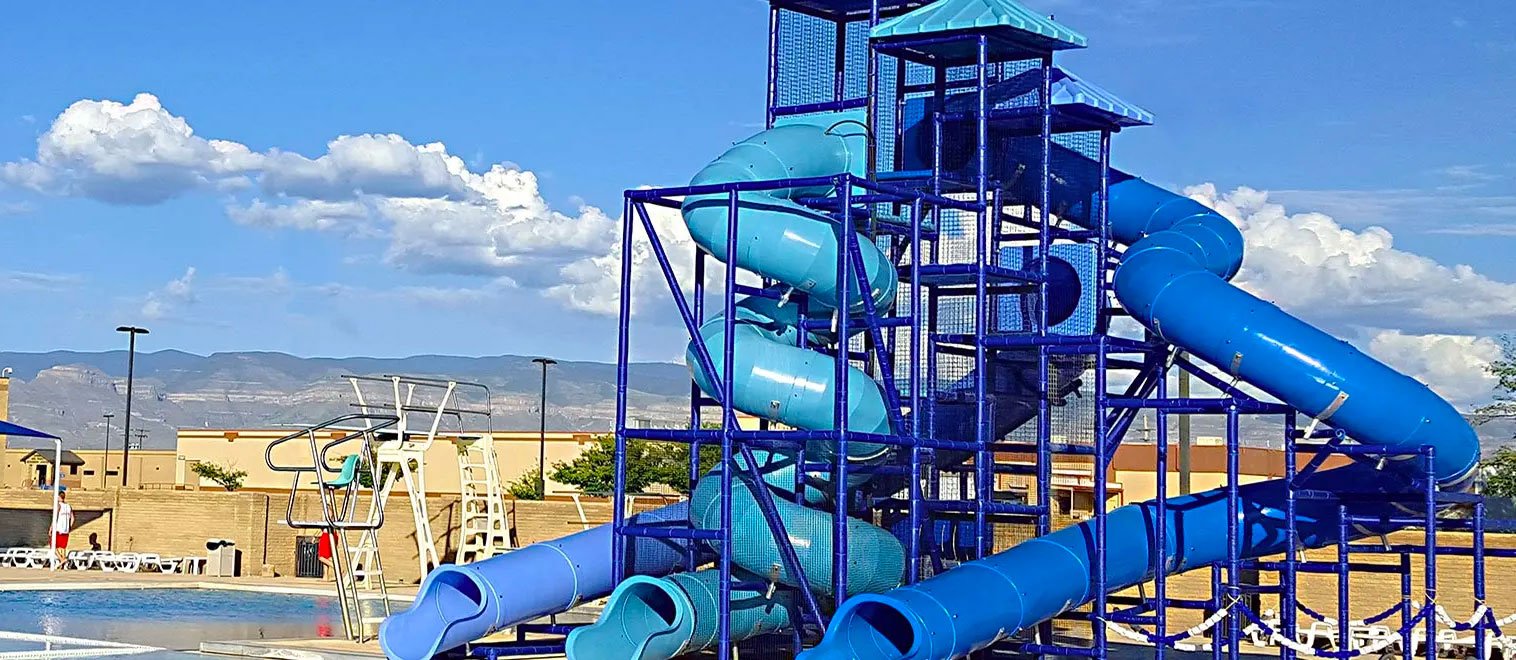
| HDPE Plastic | Excellent with UV inhibitors | Panels, slides, tunnels, roofs |
| Powder-Coated Steel | High UV resistance with proper coating | Posts, bars, climbers |
| Rubber Tiles & Surfacing | Good with UV-stable compounds | Poured-in-place, tiles, bumpers |
| Rotomolded Plastic | Moderate to good (varies by resin) | Slide tubes, crawl tunnels |
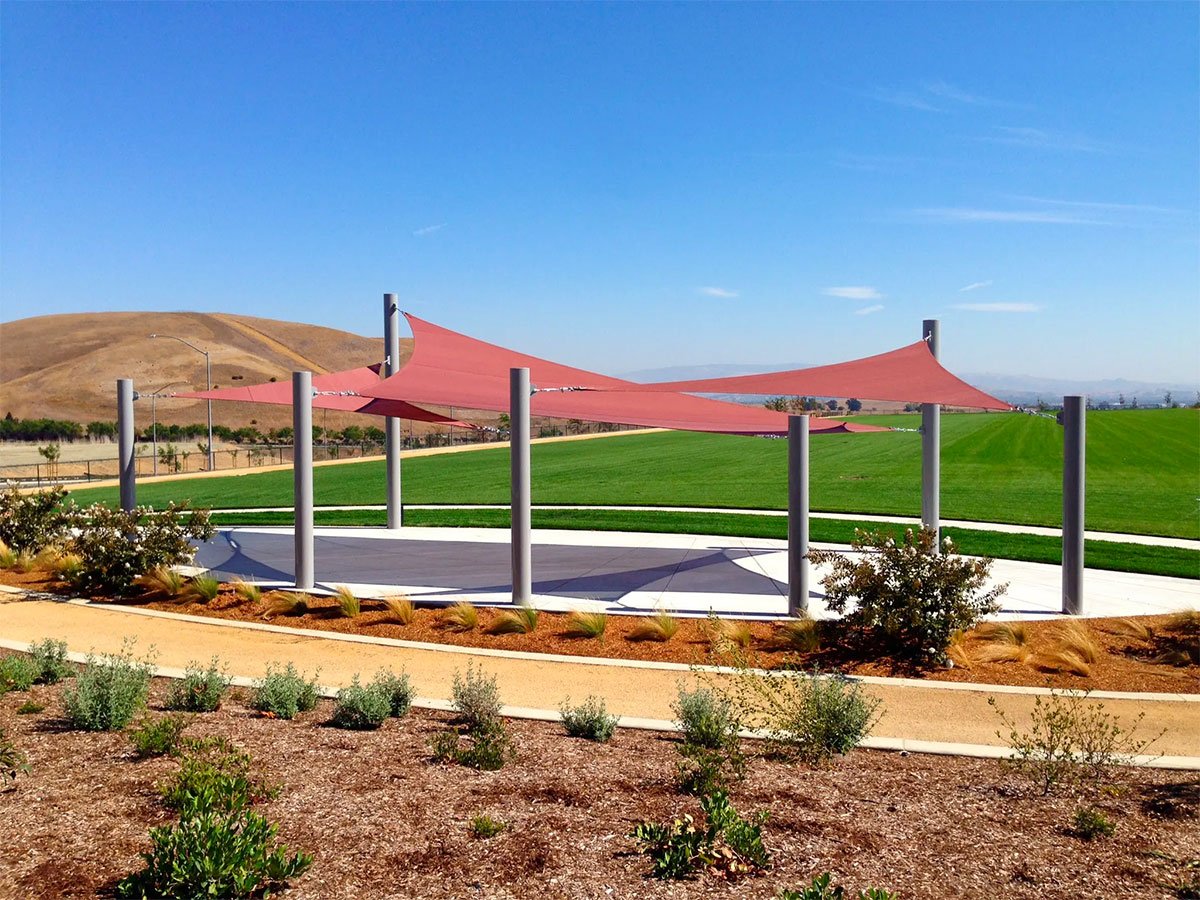
| Shade Fabric (HDPE mesh) | Designed for UV blocking (up to 98%) | Canopies, sail shades |
📎 Tip: Look for materials that specify “UV stabilized” or “UV-resistant” in spec sheets or vendor descriptions.
🔹 Why It Matters
- Safety: UV-degraded surfaces can become brittle or sharp
- Aesthetics: Faded or discolored play structures reduce curb appeal and perceived quality
- Maintenance: UV-resistant materials lower repainting and replacement needs
- Heat Reduction: Some coatings reduce surface temperature, especially for slides and climbers
🔹 Best Practices for UV Protection
- Use shade structures over high-touch surfaces
- Specify colorfast pigments in custom orders
- Select materials with a 5–15 year UV durability rating
- Maintain surfaces by cleaning debris and avoiding abrasive scrubbing

Related Glossary Entries
- HDPE Plastic Components
- Powder Coating vs Paint
- Shade Structures for Playgrounds
- Playground Maintenance Schedule