Shade Structures for Playgrounds
Shade structures are essential features in modern playground design, offering sun protection, temperature regulation, and extended usability for children and caregivers alike. Whether installed over play equipment, seating areas, or sand pits, these features reduce UV exposure, increase comfort, and support compliance with health and safety guidelines.
Why Playground Shade Matters
Excessive sun exposure can lead to overheating, skin damage, and discomfort—particularly during warmer months. According to the Centers for Disease Control and Prevention (CDC), shade is a critical intervention to protect children from harmful ultraviolet (UV) radiation, which can lead to long-term health issues such as skin cancer.
Beyond safety, shaded environments make outdoor play more enjoyable and accessible throughout the day.

Types of Shade Structures
1. Hip Roof Shade Canopies
- Four-post design with a flat or pitched roof
- Covers large areas such as play zones or seating
- Common in schools, parks, and commercial playgrounds
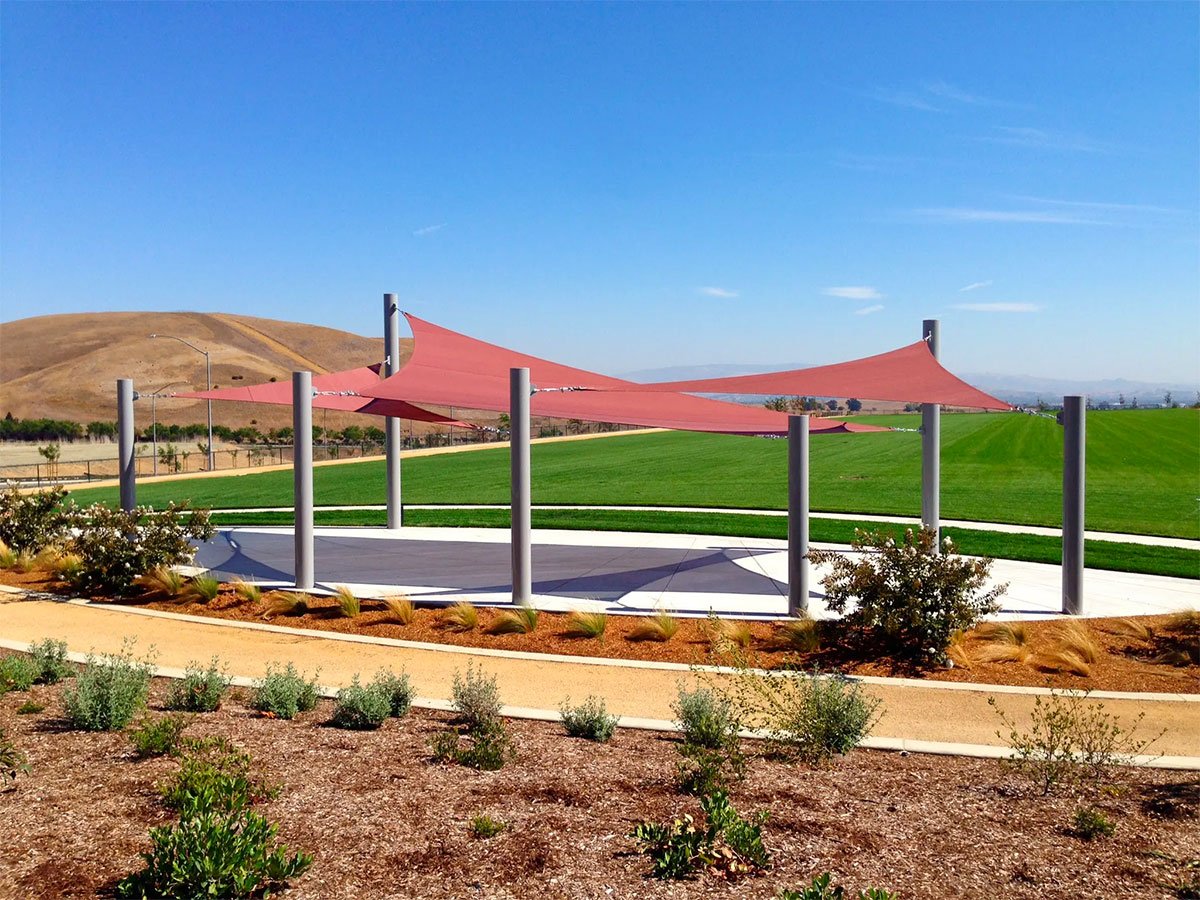
2. Sail Shades
- Triangular or quadrilateral fabric stretched between posts
- Modern aesthetic; great for asymmetrical spaces
- Allows airflow while providing partial UV protection
3. Cantilever Shades
- Two-post system with an overhanging roof
- Ideal for walkways, bleachers, and site furnishings
- Reduces tripping hazards with clear side access
4. Integrated Play Structure Roofs
- Built directly into modular systems or towers
- Provides shaded play at elevated levels
- Often includes molded plastic or HDPE panels
5. Custom Architectural Shade Systems
- Designed to match branding or themes (e.g., palm trees, animals, abstract forms)
- Combines function with visual impact

Materials and Durability
| Component | Common Materials | Benefits |
| Fabric Canopy | HDPE, PVC-coated mesh | UV-resistant, breathable |
| Posts & Frames | Powder-coated steel | Corrosion-resistant, strong |
| Fasteners | Galvanized hardware | Long-lasting in outdoor use |
All materials should be rated for UV degradation, wind loads, and fire resistance depending on your local building codes.
Installation Considerations
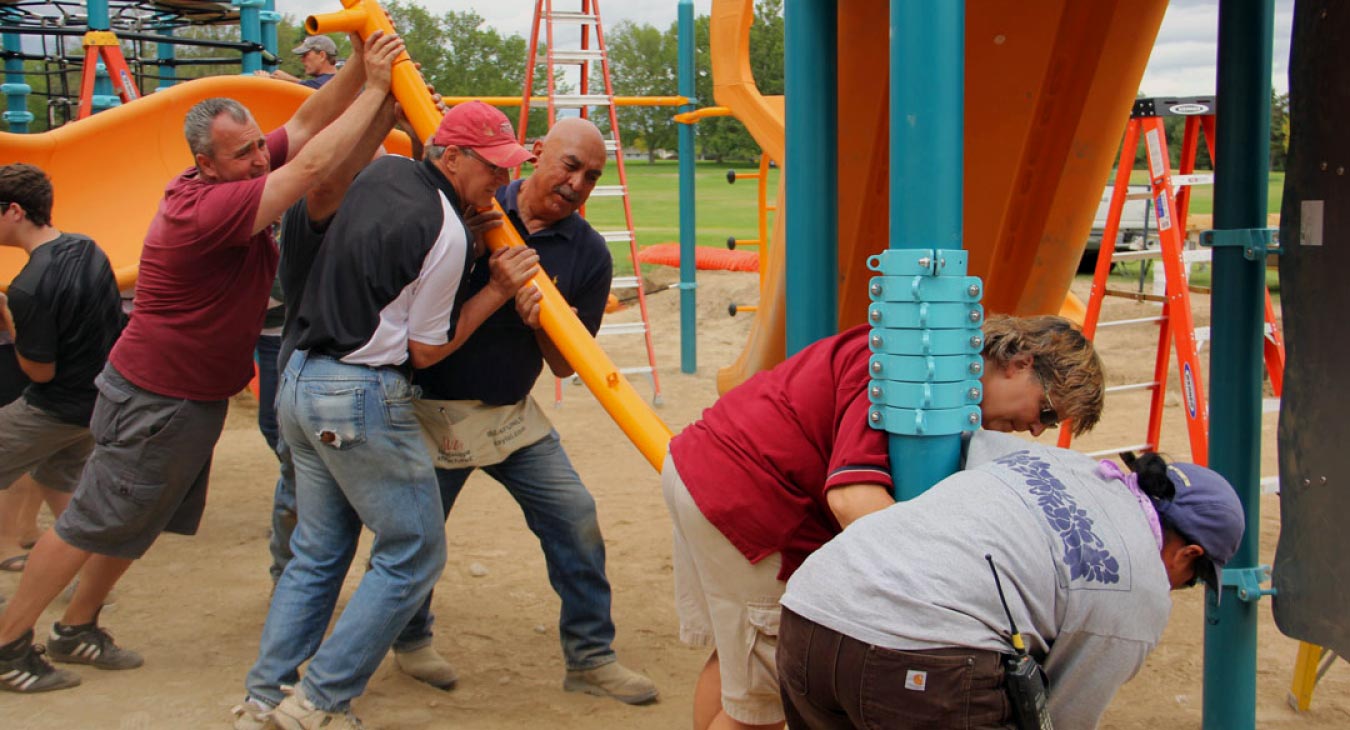
- Footing depth and anchoring are critical for wind-rated compliance
- Fabric should maintain tension for structural integrity and drainage
- Check fall zones to ensure support posts don’t interfere with safety surfacing
- For commercial playgrounds, coordinate installation with other infrastructure like lighting or irrigation
Maintenance and Lifespan
- Fabric covers typically last 10–15 years with proper care
- Periodic inspection is needed for tension, fading, tears, or anchor movement
- Frame materials may require repainting or protective coating renewal
- Snow removal may be necessary in northern climates

Compliance & Standards
- ASTM F1487 – Includes guidance on obstruction-free zones
- CPSC Public Playground Safety Handbook – Highlights safe post placement and material durability
- ADA Accessibility Guidelines – Ensures accessible shaded seating and route continuity
Ideal Applications
- Daycares and preschools
- Elementary schoolyards
- Municipal parks and splash pads
- Apartment complexes or HOA playgrounds
- Inclusive playgrounds and outdoor classrooms
Related Glossary Entries
- Pavilions and Shelters
- Park Benches Selection Guide
- Playground Surfacing Standards
- Inclusive Playground Equipment
- Commercial Playground Equipment