Playground Zones and Flow
Designing effective playground zones and flow is crucial for creating an engaging, inclusive, and safe environment for children of all ages. Proper zoning allows for differentiated play experiences, helps reduce congestion, and supports better supervision and accessibility.
This guide outlines how to define and lay out play zones for age-appropriate use, activity types, supervision, and behavioral flow, with guidance from the CPSC, ASTM F1487, and NRPA.
🔹 What Are Playground Zones?
Playground zones refer to designated areas within a play space that serve different developmental and activity needs. Zones help:
- Separate age groups (e.g., 2–5 vs 5–12)
- Organize physical vs imaginative or sensory play
- Define quiet spaces and social gathering areas
- Improve wayfinding and site safety

🔹 Common Playground Zone Types
| Zone Type | Purpose & Features |
| Toddler Zone (2–5) | Low-height climbers, small slides, activity panels |
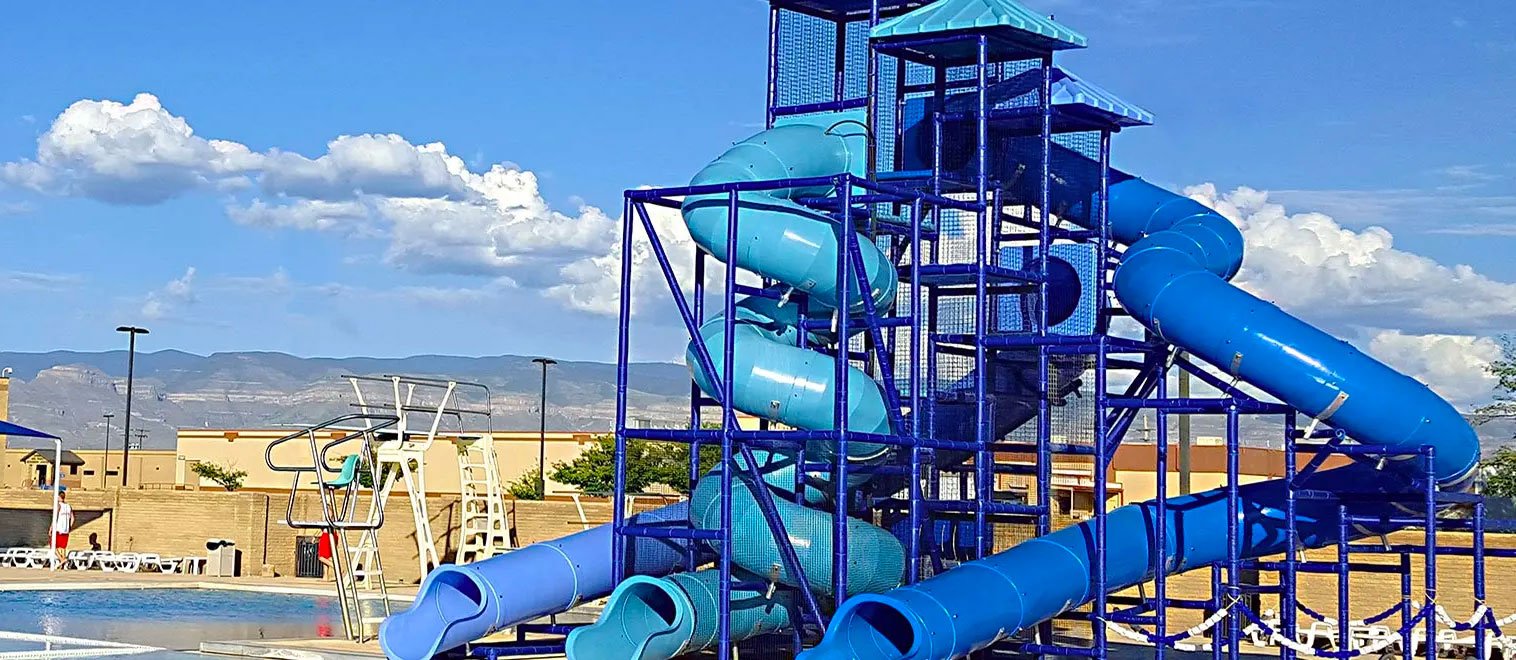
| Youth Zone (5–12) | Larger climbers, swings, monkey bars, spinners |
| Fitness Zone | Obstacle courses, stretching bars, nature play elements |
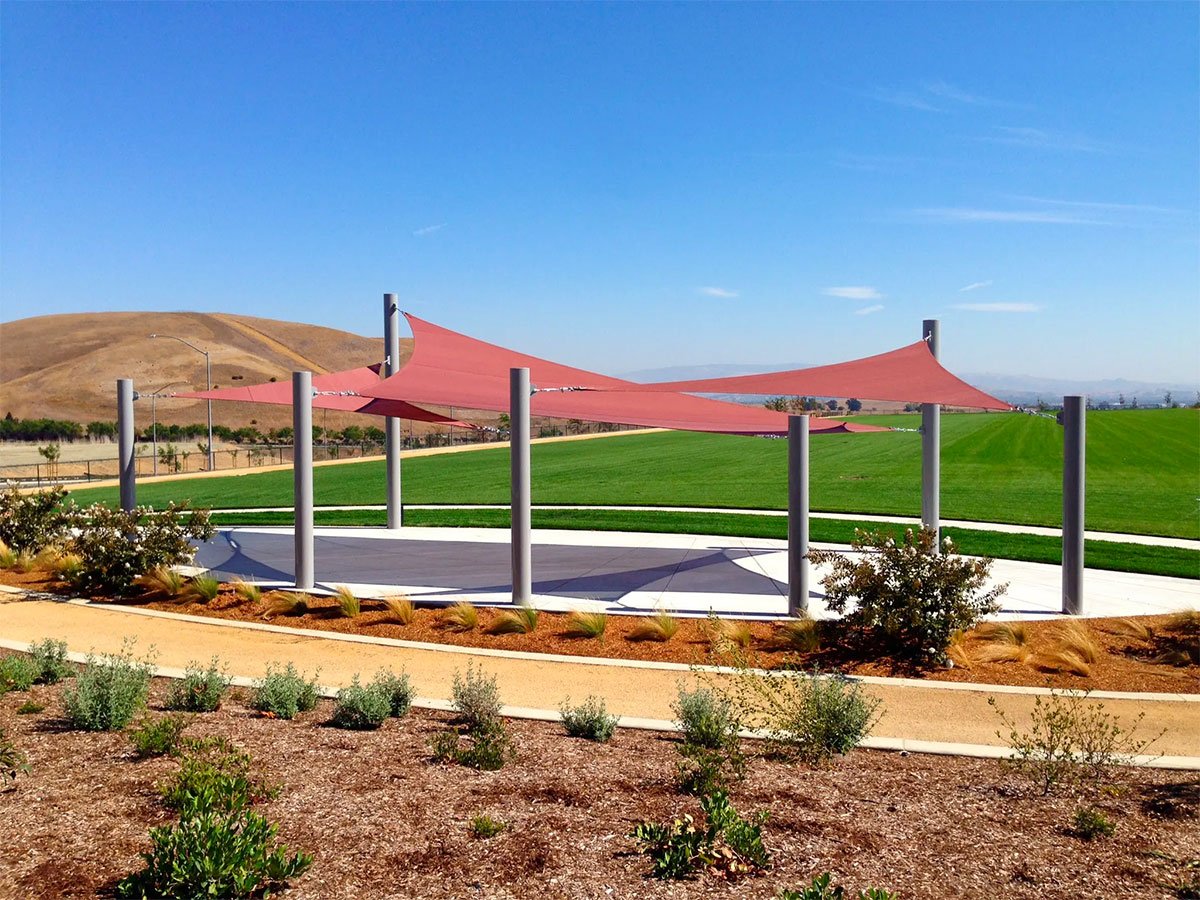
| Social Zone | Benches, picnic tables, shade structures |
| Sensory Zone | Musical instruments, sand/water play, tactile panels |
| Quiet Zone | Seating nooks, garden paths, reading areas |
🔹 Flow & Circulation Principles
Well-designed playgrounds support natural circulation — guiding children safely and intuitively through different activity areas.
Best Practices:
- Use surfacing color and texture to signal transitions
- Create clear sightlines for adult supervision
- Avoid bottlenecks between popular equipment (e.g., climbers and swings)
- Provide pathways that accommodate mobility aids and strollers

🔹 ADA & Safety Compliance
- Ensure all zones are connected by accessible routes (per ADAAG)
- Zones should not overlap in a way that compromises fall zones
- Transition areas should include visual or tactile cues for navigation
🔹 Zoning Tips for Site Types
| Setting Type | Recommended Zoning Approach |
| Small Urban Lot | Use verticality and combo structures to conserve space |
| Schoolyard Playground | Staggered zones by age group and schedule use |
| Community Park | Separate zones with paths, trees, or shade pavilions |
| Inclusive Playground | Ensure equitable access to each zone with sensory balance |