Rooftop Playground Considerations
Rooftop playgrounds are a growing trend in urban environments, offering creative solutions where ground space is limited. From preschools to multi-use buildings, these elevated play spaces provide children with access to outdoor activity while maximizing real estate use. However, they require careful planning to ensure safety, code compliance, and usability.
This guide outlines the key considerations for designing and installing a rooftop playground that is safe, functional, and compliant with industry standards including CPSC, ASTM F1487, and IBC (International Building Code).
🔹 Structural Engineering & Load Requirements
Before planning any equipment:
- Conduct a structural analysis with a licensed engineer
- Evaluate live load capacity (including people, surfacing, and equipment weight)
- Ensure compliance with IBC and local building codes
📎 Tip: Most rooftops must support at least 100 psf (pounds per square foot) in play zones.
🔹 Safety Barriers and Enclosures
Rooftop playgrounds must include:
- Guardrails or safety fencing (typically 42"+ height)
- No-climb mesh or solid panels to prevent climbing
- Controlled access points (e.g., lockable gates)

🔹 Surfacing Considerations
Use lightweight, impact-attenuating materials that meet ASTM F1292 standards:
- Poured-in-place rubber surfacing
- Rubber tiles with interlocking edges
- Artificial turf systems over shock pads
Avoid loose-fill materials like wood chips or EWF due to wind and maintenance limitations.
🔹 Drainage & Waterproofing
Rooftop sites must maintain proper drainage to prevent water damage:
- Install a vapor barrier or membrane beneath the play surface
- Use modular surfacing systems with integrated drainage channels
- Work closely with a waterproofing contractor during install
📎 Note: Improper waterproofing can void building roof warranties.
🔹 Equipment Selection
Choose compact, low-profile equipment with reduced fall heights:
- Modular climbers
- Slides with short elevation
- Sensory panels and crawl tunnels
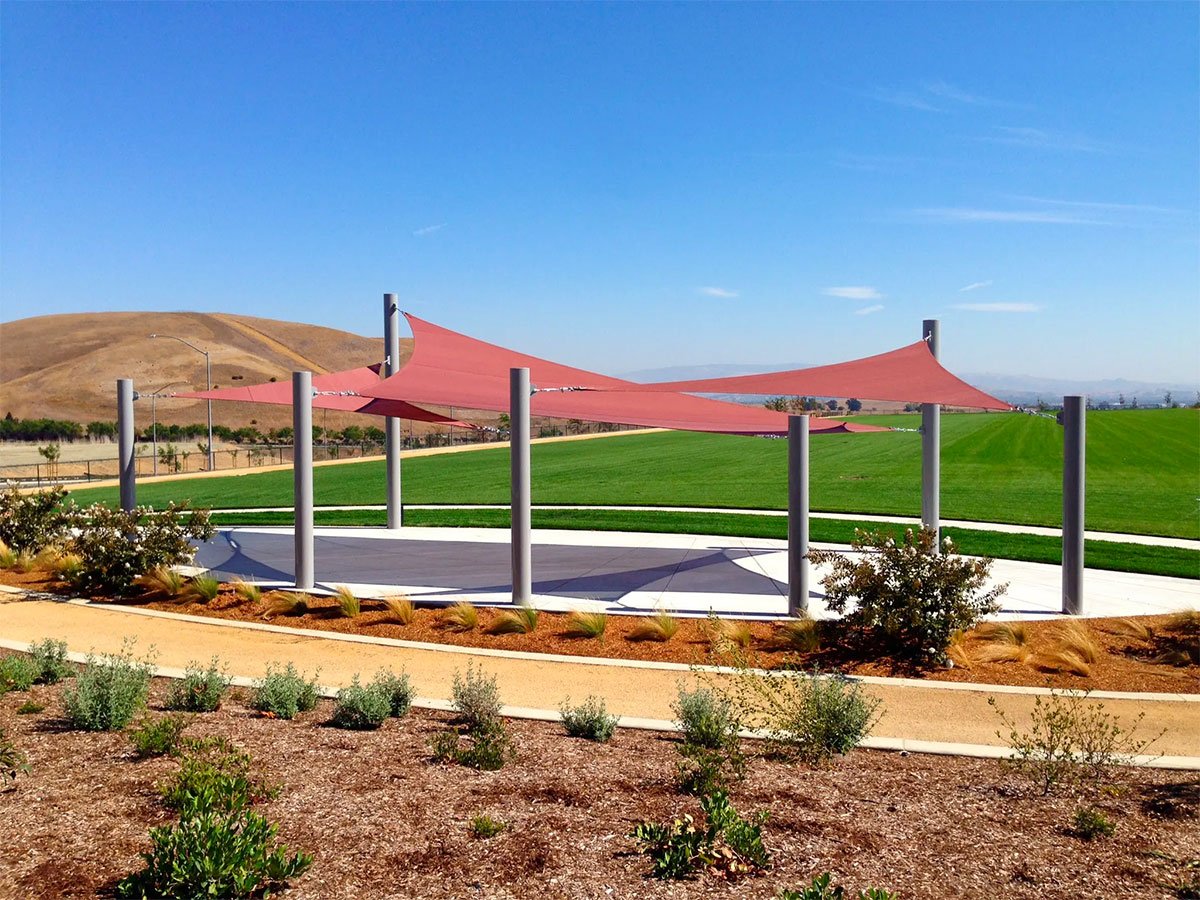
- Shade structures rated for rooftop wind exposure

🔹 Code & Regulatory Compliance
Confirm all applicable codes:
- CPSC Playground Safety Handbook
- ASTM F1487 for Public Equipment
- IBC Guardrail & Load Codes
- Local fire access and rooftop egress regulations
🔹 Ideal Use Cases for Rooftop Playgrounds
- Daycares or preschools in dense urban areas
- Mixed-use commercial or residential buildings
- Schools with no dedicated outdoor yard
- Healthcare or rehabilitation centers
Related Glossary Entries
- Small Space Playground Ideas
- Surfacing & Installation Overview
- Modular Playground Systems
- ADA Playground Compliance
- Custom Playground Options