Modular Playground Systems
Modular playground systems are pre-engineered, interconnected play structures made up of multiple components such as platforms, slides, climbers, tunnels, and activity panels. These systems are the backbone of most modern commercial and school playgrounds due to their versatility, scalability, and ability to serve multiple age groups in one unified structure.
This page covers what modular systems are, what components they typically include, how they compare to freestanding equipment, and what to consider when selecting or designing one for your space.
What Are Modular Playground Systems?
Modular systems are built from interchangeable components that connect through platforms, bridges, or frames. These components create a continuous flow of play and allow children to move through a range of physical and sensory challenges.
Each system can be designed to meet the needs of a specific age group, budget, or site layout—whether it's a compact urban lot or a large multi-zone park installation.
Common components include:
- Elevated decks and platforms
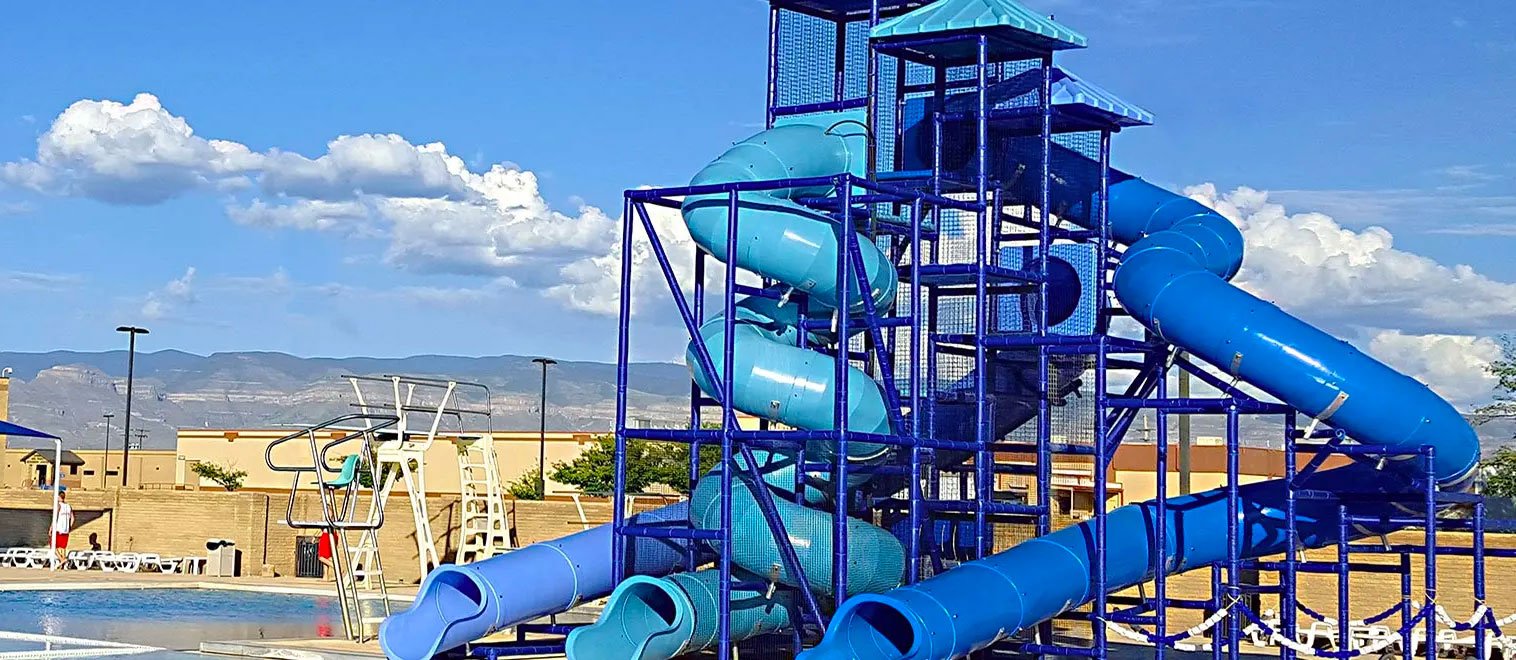
- Slides (straight, spiral, tunnel)
- Ladders and climbers
- Crawl tunnels
- Bridges and ramps
- Play panels (interactive, musical, sensory)
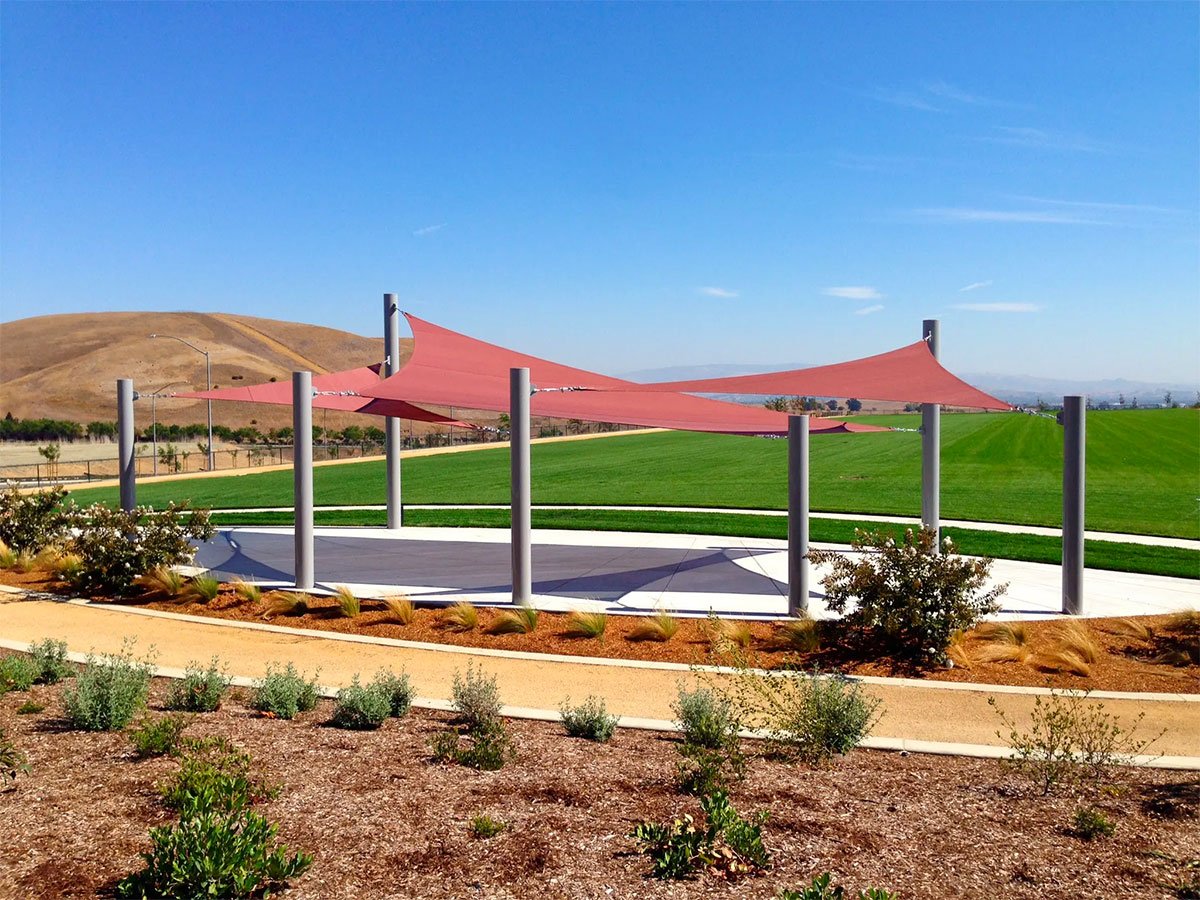
- Shade roofs or canopies
- Transfer stations (for ADA access)
These structures are commonly used in:
- Schools
- Churches
- Daycares
- Parks
- Community centers
- Apartment complexes
 Thomas Mega Series Modular Playground
Benefits of Modular Playground Systems
Highly Customizable
Modular systems can be tailored to the size, shape, and budget of your site. Components can be mixed and matched based on age group, developmental goals, or aesthetic preferences.
Multi-Age Functionality
One system can be divided into zones for toddlers, preschoolers, and school-aged children, ensuring every child has an appropriate and safe play experience.
Scalability
Need to expand later? Modular playgrounds can grow by adding new platforms or extensions without starting from scratch.
Space Efficiency
By stacking or connecting components vertically or horizontally, you maximize use of limited space—making modular systems ideal for urban schools, rooftop playgrounds, or indoor installations.
Compliance-Friendly
Manufacturers of modular systems design to meet the latest safety standards, including:
Key Components in Modular Systems
Platforms and Decks
The central nodes of any modular system, platforms come in various heights to suit different age groups. Decks often include anti-slip surfaces and handrails.
Tip: For preschool playgrounds, platform height should typically not exceed 36 inches.
Slides
Attached to elevated decks, slides offer dynamic exit points. Modular systems often feature multiple slide types:
- Straight slides
- Spiral slides
- Double or triple wide slides
- Tunnel slides
- Wave Slides
All slides must align with use zone and fall height guidelines set by ASTM and CPSC standards.
Climbing Features
Climbers help children build strength and problem-solving skills. Modular systems may include:
- Vertical ladders
- Rock wall panels
- Arch or loop climbers
- Net and rope climbers
These are often placed at access points or between decks.
Crawl Tunnels and Bridges
These connectors add flow between play zones and encourage imaginative movement. Options include:
- Straight or curved tunnels
- Chain bridges
- Arch bridges
- ADA-compliant ramps
Play Panels
Modular systems often integrate interactive panels for tactile, auditory, or visual engagement. Examples:
- Gear panels
- Maze boards
- Music or sound walls
- Shape matching and counting games
Panels provide essential sensory play and are important for inclusive playground design.
Transfer Stations
Required for ADA compliance, transfer stations allow children using mobility devices to access elevated play components independently.
Materials and Durability
Modular playground systems are typically constructed from:
- Powder-coated steel for posts and frames (resistant to rust and corrosion)
- High-density polyethylene (HDPE) for panels and slides (UV- and crack-resistant)
- Rotomolded plastic for complex shapes and tunnels
- Stainless steel for some high-wear surfaces (e.g., slides in high-temperature regions)
These materials are selected for strength, weather resistance, and low maintenance.
Planning a Modular Playground
When planning a modular playground system, consider the following:
- Age Groups Served: Equipment must align with developmental stages (e.g., 2–5 vs. 5–12)
- User Capacity: How many children should the system accommodate at once?
- Site Shape & Size: Choose linear, square, or multi-zone layouts to suit your property
- Accessibility Needs: Include ramps, transfer stations, and sensory elements
- Budget: Modular systems range from small budget sets to expansive multi-structure environments

Compliance and Safety Standards
All modular playgrounds must meet key national standards:
- ASTM F1487 – Safety performance specification for public playground equipment
- CPSC Public Playground Safety Handbook – Guidelines for design, surfacing, and installation
- ADA Accessibility Guidelines – Requirements for inclusive access
Reputable manufacturers design modular systems to comply with these standards automatically, but installation and layout decisions must still align with site-specific needs.
When to Choose Modular Systems
Modular systems are ideal when you need:
- A high-capacity, all-in-one play structure
- Customizable features for various user groups
- A professional-grade playground with minimal long-term maintenance
- ADA-inclusive options built directly into the design