Playground Slides Types
Playground slides are one of the most iconic and universally loved features of any play area. But not all slides are created equal—different types of slides offer different experiences, space requirements, safety considerations, and developmental benefits.
This guide breaks down the major types of playground slides used in both commercial and residential settings, along with key considerations for material, height, and compliance with safety standards.
Why Slide Type Matters
The type of slide you choose impacts:
- User age appropriateness
- Required fall zone and surfacing
- Installation space
- Sensory experience (speed, motion, control)
- Maintenance and durability over time
Slides are typically mounted on platforms, towers, hillsides, or modular systems, and should always be used with compliant impact-absorbing surfacing.
Common Playground Slide Types
Straight Slides
A classic, linear design offering a smooth ride from top to bottom.
- Simple and reliable
- Common in both public parks and backyard sets
- Ideal for younger age groups
- Usually 4–8 ft in height
- Available in plastic, fiberglass, or metal

Photo from WillyGoat Facebook
Wave Slides
Feature a gentle hump or ripple in the sliding surface.
- Adds excitement without increasing speed dramatically
- Popular in preschool and school-age playgrounds
- Can be single or double wave
- Good for narrow site layouts that still want variety
Spiral Slides
Curved slides that turn 270° to 360°, spiraling around a central post.
- Space-efficient for taller platforms
- Great for multi-level modular systems
- Slower descent with more visual appeal
- Often enclosed for safety
Tunnel Slides
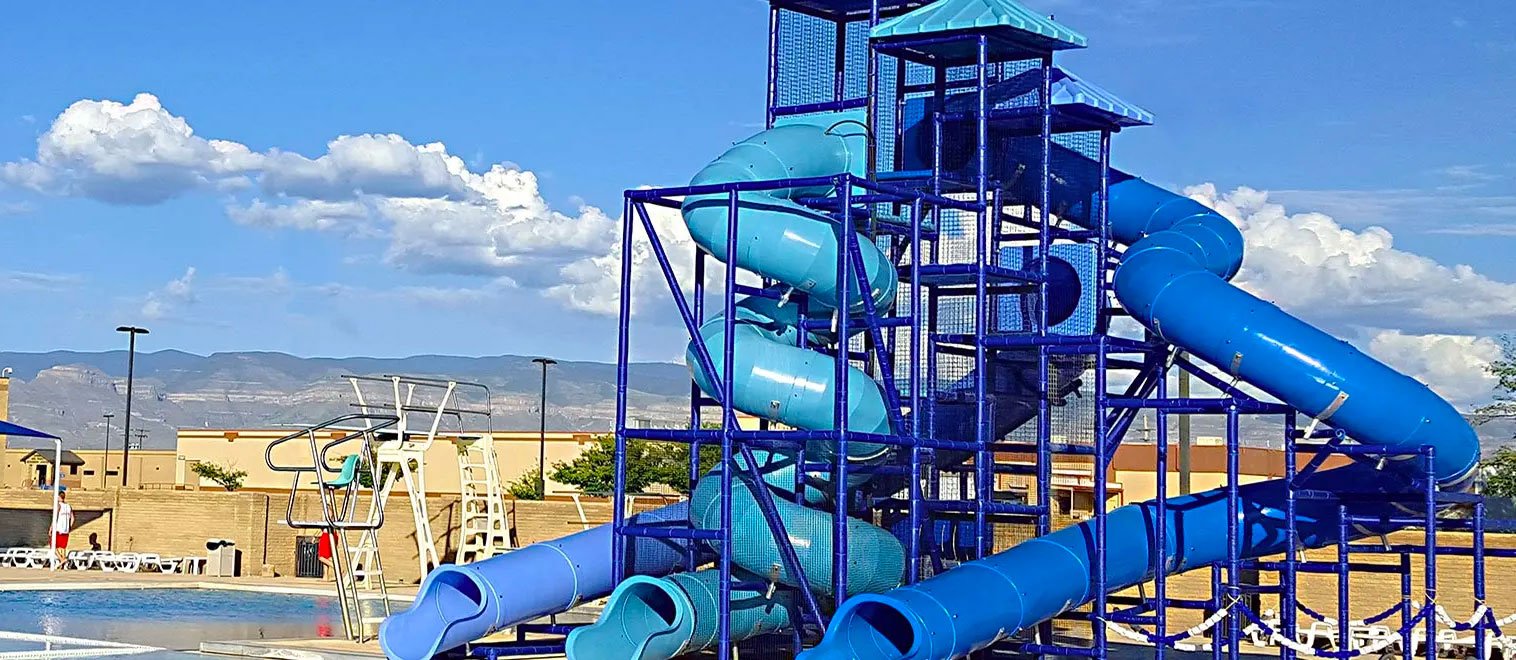
Fully enclosed tubes that create a sensory-rich, immersive ride.
- Encourages confidence and adventurous play
- Protects from sun and wind exposure
- Can be straight, curved, or spiral
- Should include vent windows or clear panels for visibility and airflow
Double or Triple Slides
Two or more slides placed side-by-side.
- Encourages social play and friendly racing
- Useful in high-traffic environments (schools, parks)
- Ideal for limited space where capacity is a concern
Curved Slides
Slides with one or more gentle lateral turns.
- Slightly longer ride than straight slides
- Adds visual and physical variety
- Suitable for children who are past toddler stage but not ready for spiral slides
Bump or Roller Slides
Less common but popular in sensory or inclusive playgrounds.
- Bump slides have rolling waves in the surface
- Roller slides use rotating rollers for a smooth, low-friction descent
- Great for children with sensory processing disorders
- Often made with metal or plastic rollers, requires supervision

Slide Materials
Plastic (HDPE or Rotomolded)
- UV-stabilized, fade-resistant
- Cooler to the touch in hot weather
- Lightweight and durable
- Most common in residential and preschool equipment
Metal (Stainless or Galvanized Steel)
- Extremely durable and fast
- Better for older kids or high-traffic areas
- Can become hot in direct sun—shade is essential
- Often used in parks, military bases, or traditional city installations
Fiberglass (Less Common)
- Smooth, glossy finish
- Often used in custom or water play designs
- Higher cost, more niche applications
Age Appropriateness and Height Guidelines
| Age Group | Recommended Slide Height | Notes |
| Toddlers (2–3) | 24"–36" (2–3 ft) | Low incline, short length, gentle ride |
| Preschool (3–5) | 36"–48" (3–4 ft) | Straight, wide slides preferred |
| School Age (5–12) | Up to 96" (8 ft) | Spiral, tunnel, and curved slides acceptable |
| Teens/Adults | 96"+ or multi-story | Requires stricter fall zone clearance |
🛡️ Always refer to CPSC Safety Guidelines and ASTM F1487 when planning slide installations.
Safety Considerations
- Install on impact-absorbing surfacing such as engineered wood fiber, rubber mulch, or poured-in-place rubber
- Maintain a minimum 6 ft use zone in front and around the slide exit
- Avoid slide entries that exceed 30° slope for toddlers
- Enclose platforms with guardrails or barriers
- Keep slides oriented away from direct sun to avoid overheating
Related Glossary Entries
- Modular Playground Systems
- Freestanding Playground Equipment
- Playground Surfacing Standards
- Preschool Playground Equipment
- Climbers and Monkey Bars