Playground Towers & Bridges
Playground towers and bridges are elevated structural elements that connect, divide, or anchor different play zones. Towers offer vertical challenge, imaginative play, and high vantage points, while bridges provide lateral movement and foster coordination and social interaction. Together, they create the architectural backbone of many modular, custom, and theme-based playground systems.
They’re commonly seen in school-age play areas, parks, churches, HOAs, and backyard installations—delivering fun, complexity, and developmental benefits for children of various ages.
What Are Playground Towers?
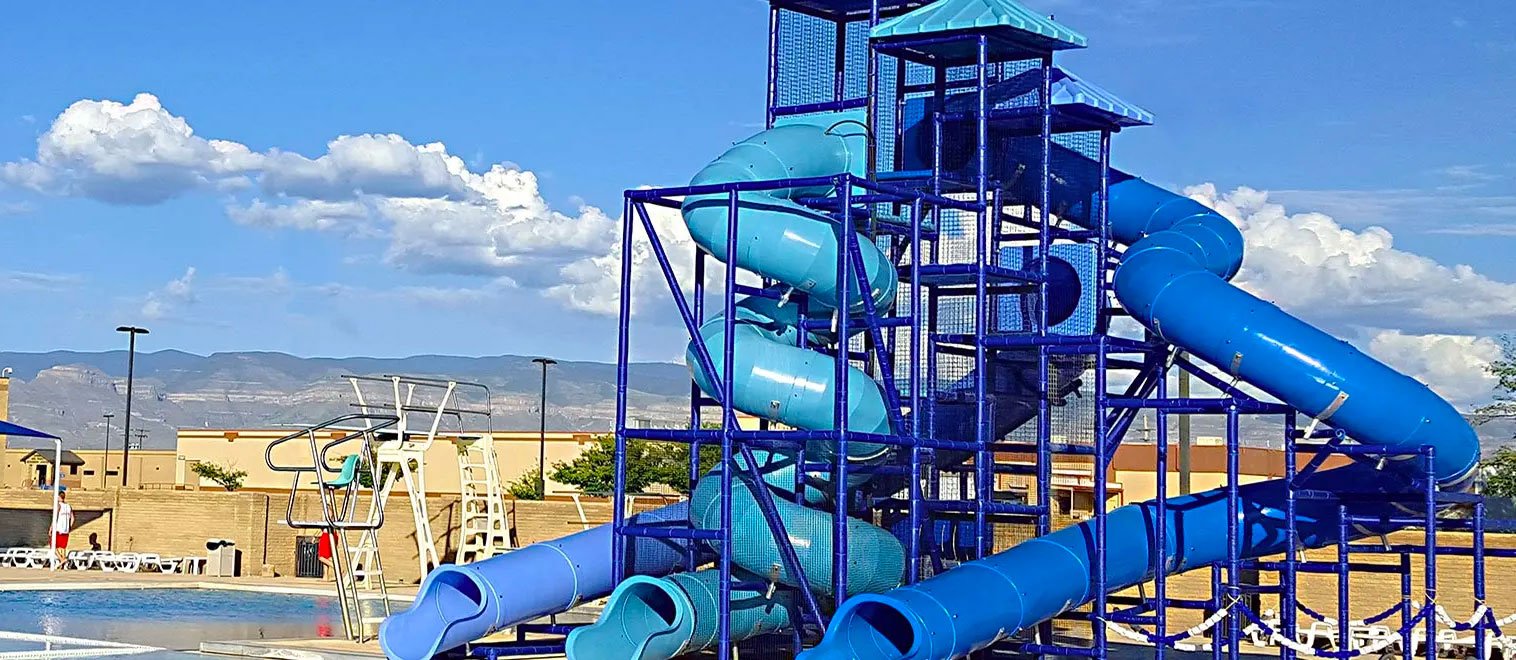
A playground tower is a raised platform or enclosed play structure that children can access via ladders, climbers, stairs, or ramps. Towers serve as hubs for slides, climbers, crawl tunnels, and observation points, often featuring:
- Multi-level decks
- Roof canopies or themed tops (e.g., castle turrets)
- Interactive panels, windows, or spy holes
- Rope ladders, net access, or rock walls
Towers are typically made from powder-coated steel, HDPE plastic, or natural wood, and come in standard heights ranging from 36” to over 96”, depending on the intended age group.

What Are Playground Bridges?
A playground bridge is a structural walkway that connects two raised platforms or towers. Bridges provide balance and coordination practice while encouraging social play and spatial navigation.
Common Types:
- Rigid bridges (solid surface): Steady, ADA-compliant pathways for children of all abilities
- Chain or rope bridges: Flexible with movement, building balance and core strength
- Arch bridges: Elevated and curved for additional challenge
- Suspension bridges: Rope and net-style crossings with handrails for older users

Benefits of Towers and Bridges
Physical Development
- Promote climbing, balancing, and grip strength
- Improve motor planning and spatial orientation
- Encourage full-body engagement in transitions and descents
Cognitive & Social Growth
- Foster problem-solving and route decision-making
- Support role-play and storytelling in themed towers
- Enhance group interaction through shared pathways
Sensory & Risk-Based Play
- Bridges create mild thrill elements without major height risk
- Towers can provide quiet spaces, lookout points, or challenge zones
Age Appropriateness
| Age Group | Recommended Features |
| 2–5 years | Single-deck towers (max 36–48”), low-rise bridges with full enclosures |
| 5–12 years | Multi-level towers, rope bridges, flexible net connectors |
| Teens | High towers with climber access and fitness integration (less common) |
For early childhood zones, choose closed-railing bridges and short towers with gentle access (steps or ramps).
Safety Standards & Compliance
Playground towers and bridges must meet:
- ASTM F1487 – Fall heights, handrail spacing, platform protection
- CPSC Guidelines – Use zones, entrapment, access heights, and structural gaps
- ADA Accessibility Guidelines – Ensure at least one transfer-accessible route or ramp for inclusive playgrounds
- ASTM F2373 – If intended for children under 5
Key Safety Considerations:
- Towers over 30 inches must include protective barriers
- Bridge handrails should be between 29–38 inches high, depending on age
- No openings should fall within the entrapment range of 3.5–9 inches
- Use impact-rated surfacing beneath all raised platforms and at exits
Materials & Durability
- Framing: Galvanized or powder-coated steel
- Decks & Railings: HDPE plastic, textured metal, or anti-slip composites
- Bridges: Heavy-duty rope, coated chain, or rigid plastic panels
- Roof Elements: UV-resistant HDPE or fabric canopies
- Fasteners: Tamper-resistant and corrosion-proof
All components should be weatherproof, fade-resistant, and easy to maintain.
Maintenance Guidelines
- Inspect platforms and bridges for rust, cracks, or loose joints
- Test rope tension and bridge stability monthly
- Replace any worn or frayed netting
- Clear leaves or debris from tower decks to avoid water pooling
- Check canopy and roof elements for UV damage annually
Planning & Installation Tips
- Towers should be centrally placed to act as play hubs
- Bridges should lead to varied challenges (slides, climbers, tunnels)
- In inclusive designs, ramp access or transfer stations are essential
- Themed towers add value in educational settings, campgrounds, or churches
Ideal Locations
- Elementary schools and daycares
- Municipal or regional parks
- Apartment complexes
- Nature-themed or themed commercial playgrounds
- Indoor play zones (with shorter towers)
Related Glossary Entries
- Modular Playground Systems
- Crawl Tunnels
- Playground Climbers Guide
- Play Panels and Activity Boards
- Inclusive Playground Equipment