Residential Playground Sets
Residential playground sets are play structures designed for home use, typically installed in backyards or private outdoor spaces. They provide children with a safe, convenient way to stay active and engaged while developing coordination, strength, and social skills.
Unlike commercial-grade playgrounds, residential sets are intended for lighter use, simpler installations, and lower user volume. However, high-quality residential equipment can still offer long-term value and versatility—especially when tailored to the age and needs of the children using it.
What Is a Residential Playground Set?
A residential playground set (also called a backyard playset or home play structure) typically includes a small combination of components such as:
- Slides
- Swings
- Ladders or climbing walls
- Towers or clubhouses
- Monkey bars
- Rope climbers or bridges
- Sandboxes or ground-level play areas
Residential sets are commonly constructed from:
- Pressure-treated wood or cedar
- Powder-coated steel
- Rotomolded or HDPE plastic

Who Should Buy a Residential Playground Set?
Residential playground sets are ideal for:
- Families with children ages 2–12
- Homeowners with backyard space
- In-home daycare providers
- Private property owners or vacation rentals
- Grandparents looking to install a small play area for visiting kids
They offer a cost-effective and customizable way to promote outdoor play and reduce screen time.
Key Features of Residential Sets
Age-Appropriate Design
Most backyard playsets are designed for ages 2–10, but certain features (e.g. taller towers, monkey bars) are better suited for older children. Always verify the manufacturer’s recommended age range.
Scalable Layouts
Residential sets come in simple starter formats (e.g. one swing, one slide) or expandable kits with towers, bridges, and multiple climbers.
Materials & Finishes
Wood sets offer a natural look and customizable options, while metal or plastic sets are more weather-resistant and lower maintenance.
Safety for Home Use
While residential sets are not legally required to meet commercial standards, top manufacturers follow many of the same safety principles:
- Rounded edges and recessed hardware
- Non-toxic finishes and UV protection
- Proper spacing between components to avoid entrapment
- Ground stakes or anchors to prevent tipping
For best results, install over a soft surface such as grass, mulch, rubber mulch, or artificial turf.
Residential vs. Commercial Playground Equipment
| Feature | Residential Playground Sets | Commercial Playground Equipment |
| Location | Backyard / private property | Public parks, schools, churches |
| Users | 1–6 children per day | 10–100+ children per day |
| Materials | Consumer-grade wood, plastic, steel | Industrial-grade materials |
| Compliance | Voluntary safety guidelines | Required (ASTM, CPSC, ADA) |
| Installation | DIY-friendly | Professional recommended/required |
| Warranty | 1–10 years | 10–100 years |
| Price Range | $500 – $5,000+ | $5,000 – $50,000+ |
Installation Tips for Home Playsets
-
Choose the Right Location
Ensure a level area with at least 6 feet of clearance around all sides for a safety buffer zone. -
Prep the Ground
Consider adding mulch, rubber tiles, or synthetic turf for impact protection. Avoid hard surfaces like concrete or asphalt. -
Anchor the Equipment
Use ground stakes or anchors to stabilize the set and prevent tipping—especially on swings or tall towers. -
Inspect Regularly
Check for loose bolts, splinters, rust, or wear-and-tear at least once per season. -
Add Shade or Weather Protection
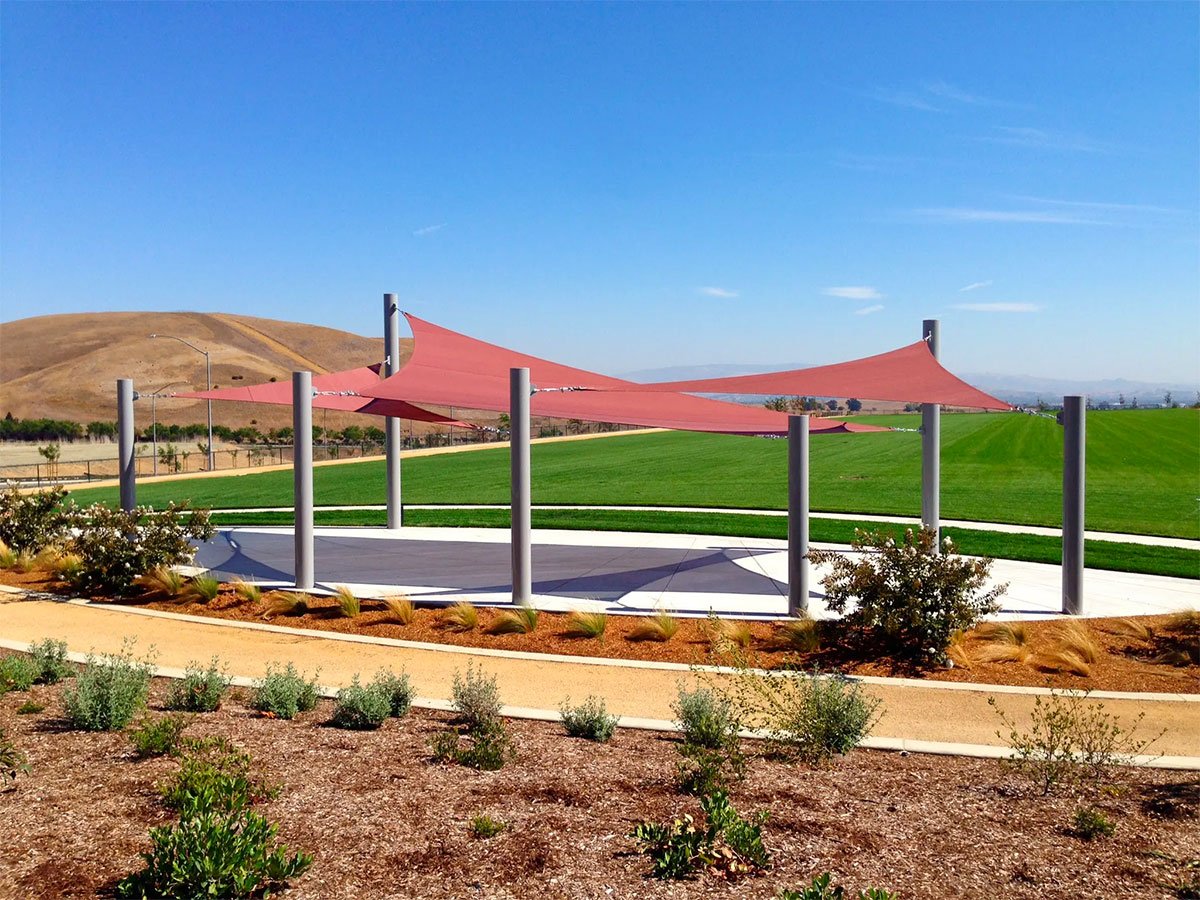
Shade sails, roof canopies, or natural tree cover can help extend the lifespan of your set.

Maintenance Guidelines
- Tighten all hardware every 6 months
- Sand and seal wood annually (if applicable)
- Remove debris and check for pests (e.g. bees nesting inside tubes or towers)
- Replace worn-out swings or accessories as needed
- Clean surfaces with mild soap and water
Safety Guidelines and Best Practices
While residential sets are not bound by law to follow ASTM F1148 or CPSC home play guidelines, reputable manufacturers voluntarily adhere to many of these recommendations. These include:
- 6-foot fall zones around all sides
- Guardrails for elevated platforms
- Safe swing spacing (24 inches between swings)
- Smooth edges and recessed bolts
- No strangulation hazards (ropes or gaps)
For enhanced safety, consider equipment that is IPEMA-certified or tested to conform to industry standards.
Common Add-On Accessories
- Telescope or steering wheel panels
- Rock climbing walls
- Cargo nets or rope ladders
- Trapeze bars
- Playhouse enclosures
- Picnic tables or benches underneath towers
- Sandbox areas with covers
These add-ons can grow with your child and extend the play value of your initial investment.
Related Glossary Entries
- Preschool Playground Equipment
- Swing Set Components
- Playground Surfacing Standards
- Backyard Playground Safety Tips
- Custom Playgrounds