CPSC Guidelines for Playgrounds
The Consumer Product Safety Commission (CPSC) publishes the Public Playground Safety Handbook, one of the most widely referenced resources for designing and maintaining safe playground environments in the United States. Though not a legal requirement, CPSC guidelines serve as an industry benchmark and are often cited in liability cases and referenced by ASTM standards.
This page summarizes the most important CPSC recommendations for playground safety, design, and maintenance.
What Is the CPSC Playground Safety Handbook?
- First published in 1981; regularly updated based on injury data and evolving best practices
- Latest version: CPSC Handbook, Publication #325 (2019)
- Applies to public playgrounds in schools, parks, childcare facilities, and multifamily housing—not backyard playgrounds

Core CPSC Guidelines by Category
1. Equipment Spacing & Use Zones
- Minimum 6 ft use zone around most equipment
- Swings: Use zone must extend 2x height of top bar in front and back
- Adjacent equipment over 30 inches high: 9 ft spacing required
2. Surfacing Recommendations
- Surfacing must meet ASTM F1292 for impact attenuation
- Loose-fill surfacing (e.g., EWF, mulch) must be maintained at proper depth
- No hard surfacing (e.g., asphalt, concrete) in use zones
3. Equipment Design Standards
- Prohibit entrapment hazards (openings between 3.5" and 9")
- No sharp edges or protrusions
- Guardrails required for elevated platforms over 30 inches
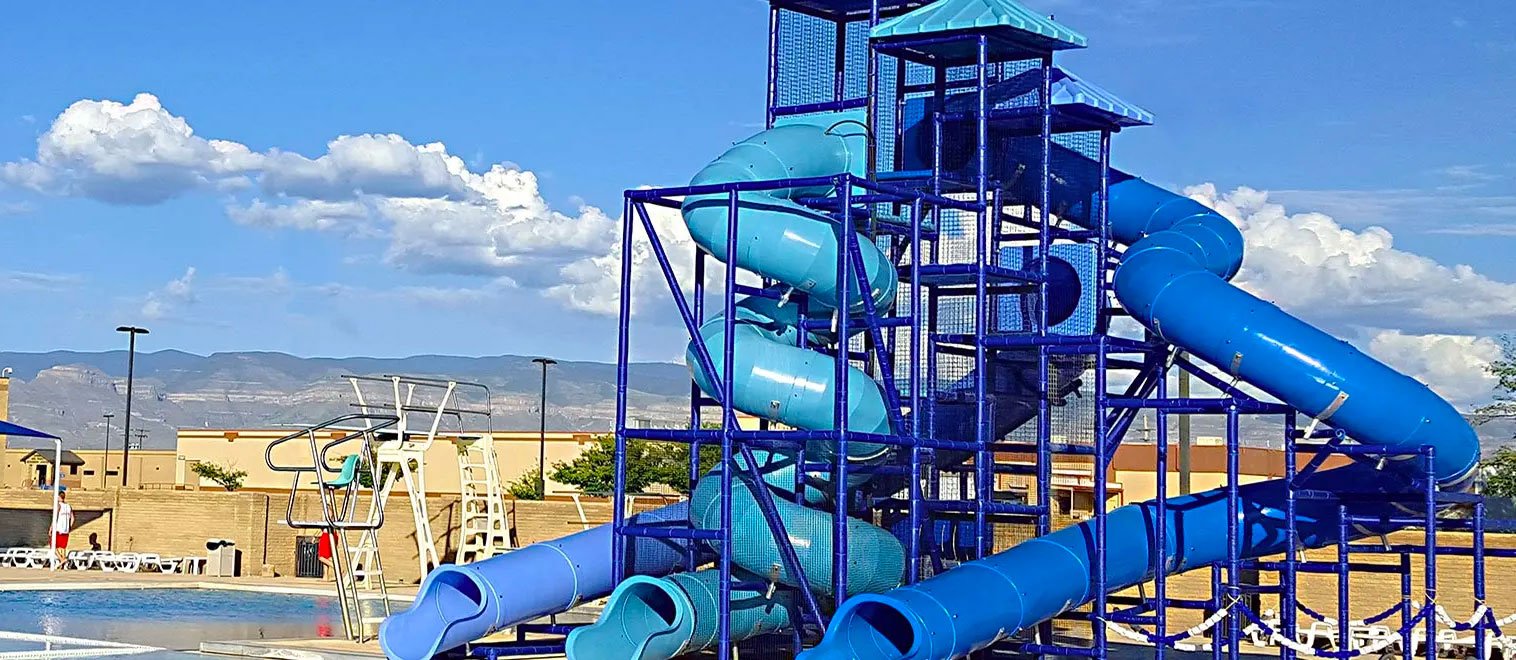
- Slides should not have steep sidewalls at exits
4. Age-Appropriate Design
- Different zones recommended for:
- Toddlers (6–23 months)
- Preschoolers (2–5 years)
- School-age (5–12 years)
- Equipment must match cognitive and physical development stages
5. Maintenance & Inspections
- Playground should be inspected regularly for:
- Broken or worn parts
- Loose bolts and connections
- Hazardous surfacing displacement
- Recordkeeping of inspections and maintenance is recommended
CPSC vs ASTM: What’s the Difference?
| Category | CPSC Guidelines | ASTM Standards |
| Legal Status | Voluntary | Voluntary (often adopted by states) |
| Focus | General safety principles | Technical performance requirements |
| Key Documents | CPSC 325 Handbook | ASTM F1487, F1292, F1951 |
Most compliant playgrounds use both CPSC + ASTM as design frameworks.