Sail Shade Structures
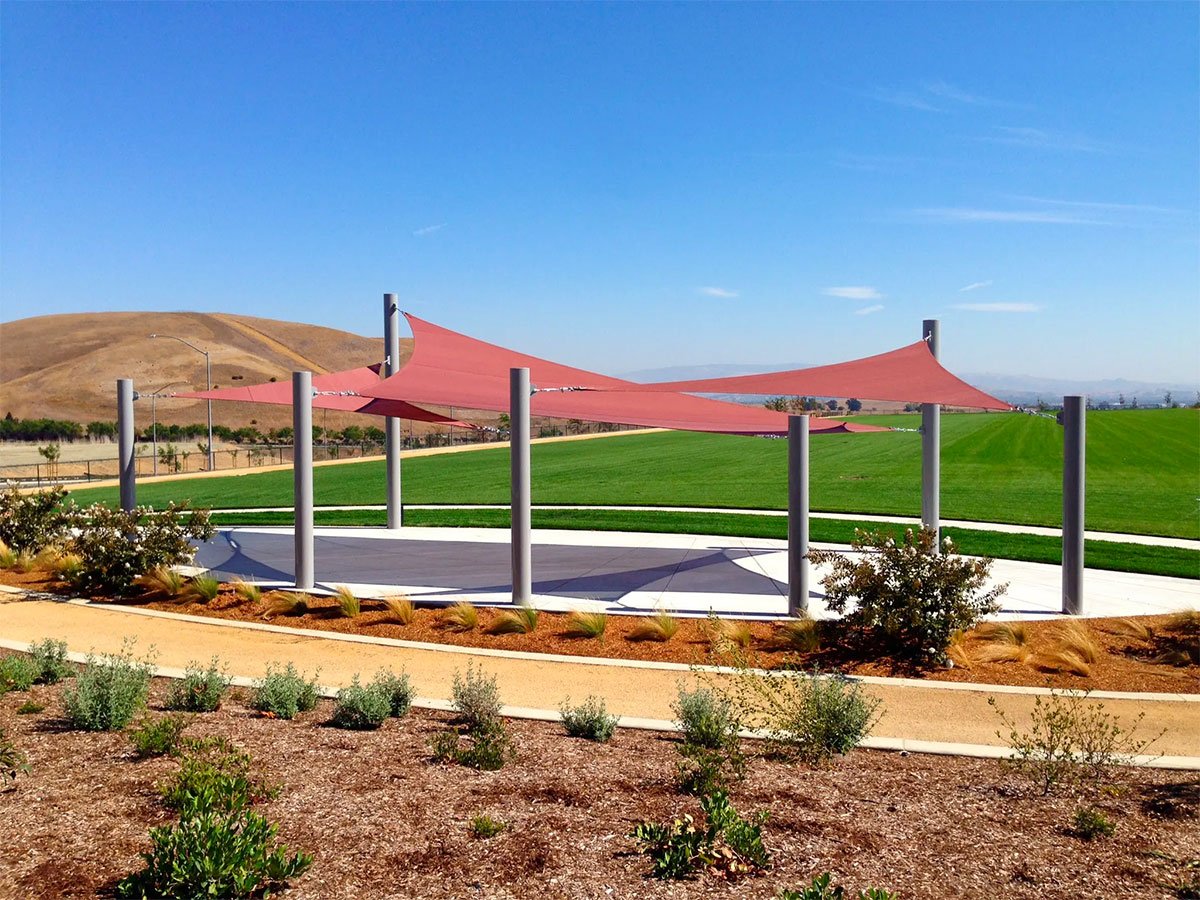
Sail shade structures offer a visually striking and flexible solution for outdoor sun protection. Their artistic appeal and ease of customization make them ideal for parks, playgrounds, courtyards, and recreational spaces with unique layouts or design constraints.
What Is a Sail Shade?
A sail shade is a tensioned fabric canopy anchored at multiple points, usually with varying post heights to create dynamic angles. These structures mimic the look of sails on a ship—hence the name—and can be installed in overlapping layers or unique geometric shapes for both aesthetics and function.

Benefits of Sail Shades
- Modern Aesthetic: Adds architectural interest to any space
- Highly Configurable: Adapts well to irregular or asymmetrical layouts
- UV Protection: HDPE fabrics can block up to 95–98% of harmful UV rays
- Airflow Friendly: Open edges allow air to pass through while providing shade
Design Considerations
When designing or purchasing a sail shade:
- Post Height Variation: Use posts of different heights to create tension and allow for water runoff
- Anchoring Points: Requires strong tensioned mounting—often with steel cables and reinforced hardware
- Wind Load Rating: Sail shapes can act like parachutes—ensure your design complies with local wind codes
- Overlap & Coverage: Multiple sails can be layered to create more dynamic shading or extend coverage

Common Applications
- Urban play areas with limited symmetrical space
- Courtyards or community gardens
- Restaurant patios and outdoor cafés
- Walkways or splash pads
- Skateparks or basketball courts
Materials & Mounting
- Fabric: Often made with Shadesure® high-density polyethylene (HDPE), treated for UV resistance and longevity
- Posts: Powder-coated galvanized steel or aluminum
- Mounting Options: Inground footers or surface-mount plates, with reinforced tension brackets
Compliance & Safety
To ensure code compliance and safe usage:
- Check for compliance with ASTM E84, NFPA 701, and UL 2218 Class IV standards
- Design according to local wind and live load regulations (checkASCE 7 guidelines)
- Maintain required entry heights and clearances for public areas
Maintenance Tips
- Check tension cables every 6–12 months
- Clean with non-abrasive detergents and water
- Inspect for fraying or UV degradation of fabric
- Retighten fabric seasonally or as required by the manufacturer
Related Pages