Wind Load Rating

What “Wind Load Rating” Means
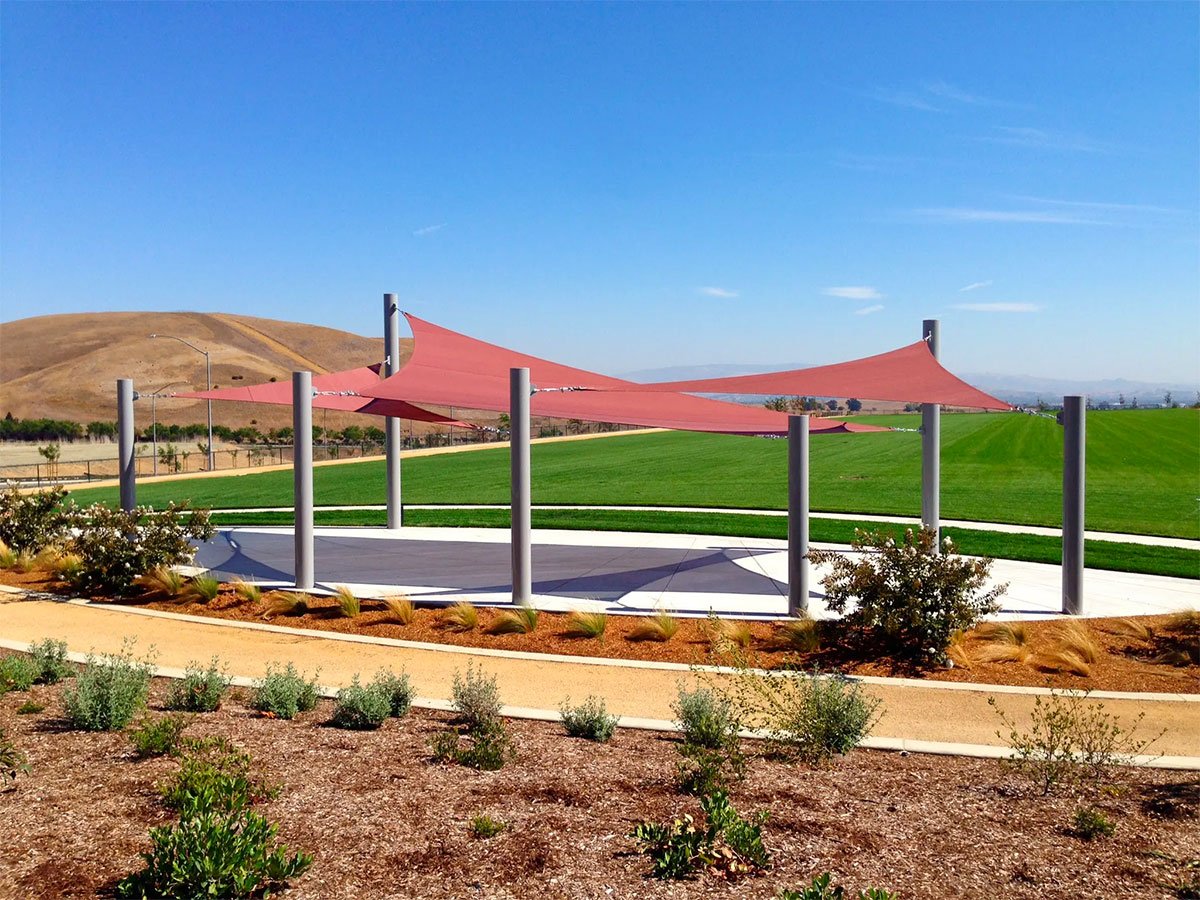
Wind load rating refers to the maximum sustained wind speed or wind pressure that a shade structure has been engineered and certified to resist. When designing or specifying shade structures for playgrounds, understanding this rating is essential to ensuring structural safety and long‑term durability.
Why it Matters for Playground Shade Structures
- Shade fabrics often act like sails in high winds — increased wind load = increased uplift and lateral force on the frame and anchors.
- Incorrect wind rating or inadequate anchoring can lead to damage or failure under storm conditions.
- Local building codes (such as ASCE 7 in the U.S.) require structures to meet specific wind‑design speeds based on geography, exposure, and height.

- For a playground, where children might be present during or shortly after weather events, safety is especially critical.
Key Factors Affecting Wind Load Rating
- Design Wind Speed: Defined by local code (e.g., 90 mph, 110 mph, 150 mph zones)
-
Exposure Category: “Open”, “suburban”, or “urban” affects wind pressure

-
Structure Height & Geometry: Taller or irregular shapes = higher wind forces

-
Canopy Size & Angle: Large fabric spans are more susceptible to uplift

- Anchor & Foundation System: Must transfer wind forces to ground safely
- Fabric Tensioning & Release Mechanisms: Proper tension reduces flutter‑forces; quick‑release allows removal in extreme wind events
Typical Specification for Playground Shade Structures
- Certification: “Rated to 110 mph (3‑second gust) with Exposure C, 12 ft height, anchor bolt design per manufacturer drawings”
- Engineering drawing must show wind load, anchor bolt schedule, and concrete footing details
- Manufacturer should supply sealed drawings or third‑party engineering review

Installation & Maintenance Implications
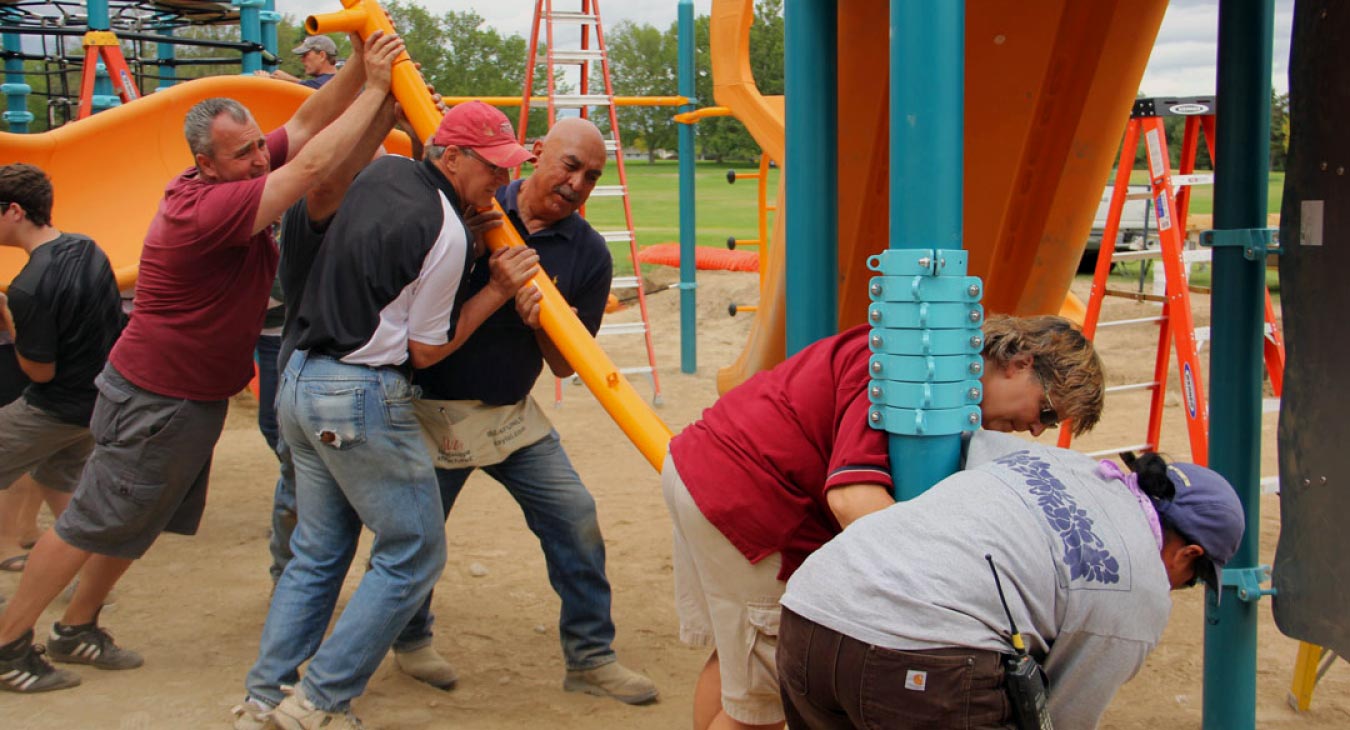
- Ensure the installer uses anchor bolts and footers rated to the wind load.
- Verify bolts are torque‑tightened and protected against corrosion.
- In high‑wind or coastal environments, consider quick‑release fabric hardware or seasonal removal strategies.
- Document each inspection and maintain logs in case warranty or insurance claims are needed.
Related Pages
Summary
Wind load rating is not a “nice‑to‑have” specification — it’s a critical engineering requirement for any outdoor shade structure, especially in playground settings. When you evaluate or procure shade systems, always request the wind‑rating documentation, confirm local design wind speed, and ensure that installation aligns with the engineered drawings. Doing so safeguards equipment, extends service life, and protects children and community users.