Daycare Playground Requirements
Daycare playgrounds play a critical role in early childhood development, supporting physical, social, and cognitive growth for children typically ages 6 months to 5 years. These environments must be safe, stimulating, age-appropriate, and compliant with stringent safety and licensing standards.
This guide outlines the key considerations for designing and maintaining effective playgrounds for daycare settings.
Why Daycare Playgrounds Matter
- Encourages gross and fine motor skill development
- Fosters social interaction, cooperation, and communication
- Offers safe outdoor time that supports emotional regulation
- Enhances early learning through hands-on, imaginative experiences

Age-Based Zoning Requirements
Infants (6–24 months)
- Enclosed spaces with soft surfacing and minimal height changes
- Crawl-through tunnels, push toys, seated spinners
- Visual supervision must be unobstructed
Toddlers (2–3 years)
- Low platforms (<32” high) with wide steps, gentle slides
- Interactive panels, musical elements, and sensory toys
- Fencing required (minimum 4 feet in many states)
Preschoolers (3–5 years)
- Larger climbing elements, trike paths, bridges, playhouses
- Dramatic play areas, outdoor chalkboards, or water tables
- Shaded zones and defined use zones (ASTM F1487)

Safety & Compliance Guidelines
- ASTM F2373: Playground equipment for children under 2 years old
- ASTM F1487: Public playground equipment for ages 2–12
- CPSC Guidelines: Consumer Product Safety Commission best practices
- State Licensing Codes: Vary by location (e.g., Texas DFPS, California Title 22)
Ensure:
- Impact-absorbing surfacing under all equipment (e.g., EWF, rubber tiles, turf)
- Daily inspections and documentation
- Gates, locks, and perimeter fencing
- Emergency access for staff and first responders

Design Tips for Engagement
- Use bright colors and varied textures
- Encourage group and parallel play
- Incorporate nature-based elements and loose parts
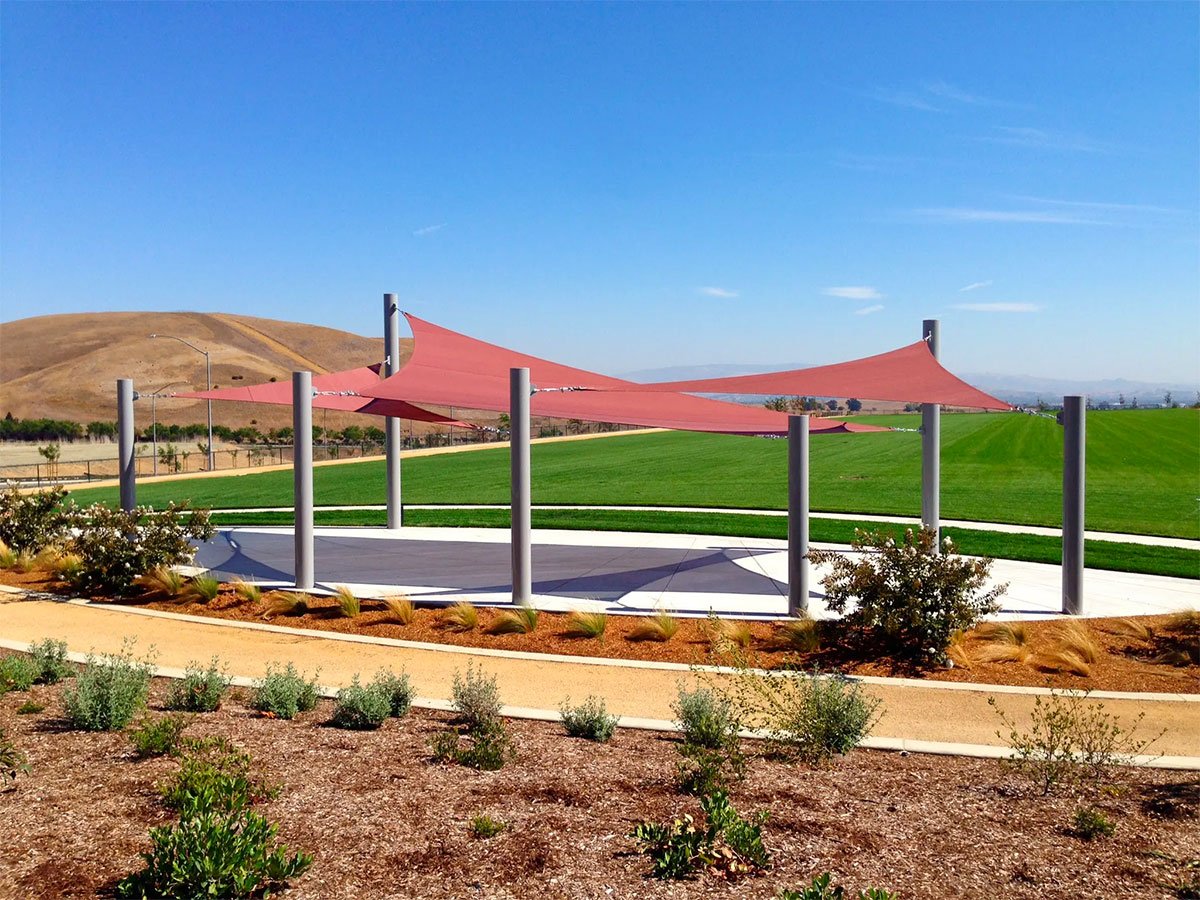
- Add shade structures, reading nooks, or water features
Indoor/Outdoor Integration
- Consider indoor play units for inclement weather days
- Use connecting doors between classrooms and outdoor zones
- Keep indoor equipment soft-surfaced and low-profile
Budgeting & Planning
- Start with equipment scaled to enrollment; allow for expansion
- Choose modular pieces that can grow with licensing capacity
- Plan for fencing, surfacing, and shade in addition to play units

Related Pages
- Surfacing for Pet Playgrounds (similar safety concepts apply)
- Inclusive Playground Equipment
- Playground Inspection Checklist
- Custom Playground Options
Creating a daycare playground involves more than fun—it’s about building a nurturing, developmental environment that keeps children safe, engaged, and supported as they grow.