Small Space Playground Ideas
Designing a playground in a limited footprint requires smart planning, compact equipment, and creative zoning. Whether you're working with a tight urban courtyard, daycare play yard, or rooftop area, small space playgrounds can still deliver robust, developmentally appropriate play experiences.
This guide shares practical strategies and product types that maximize play value while maintaining safety, accessibility, and aesthetic appeal—drawing on best practices from CPSC, ASTM F1487, and leading playground manufacturers.
🔹 Challenges of Building in Tight Spaces
- Limited square footage restricts equipment options
- Use zones and clearance requirements take up proportionally more room
-
Drainage and surfacing become more critical in compact layouts
- Accessibility features like ramps and transfer stations must be preserved

🔹 Space-Saving Features That Add Value
| Feature Type | Benefits in Small Playgrounds |
| Vertical Play Towers | Stack multiple play types in a compact footprint |
| Multi-Use Panels | Combine games, sensory features, and tactile activities |
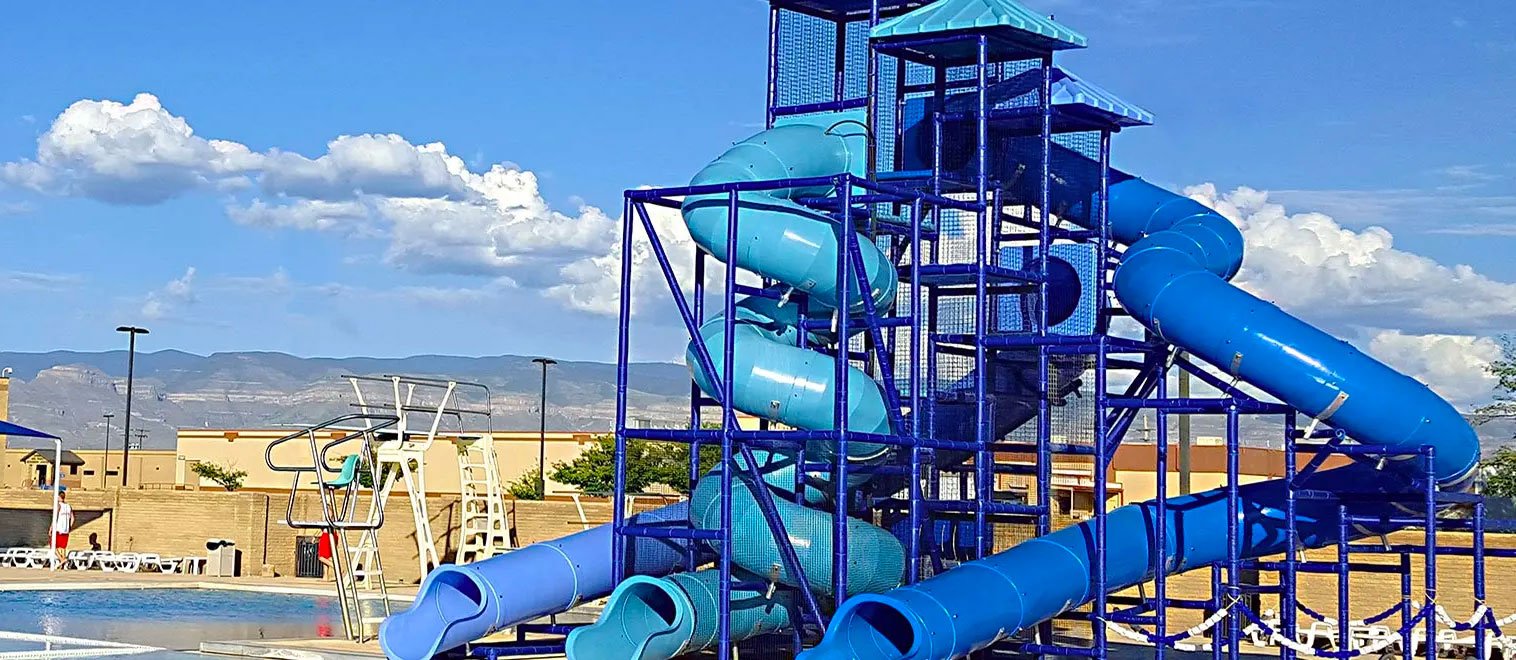
| Combo Units | Integrated slides, climbers, and bridges in one system |
| Wall-Mounted Panels | Utilize fencing or structural walls |
| Low-Fall-Height Elements | Reduce use zone requirements and surfacing depth |
| Custom Shaped Equipment | Tailor layout to irregular property lines |
🔹 Design Tips for Efficient Layouts
Use Modular Systems
Modular designs allow flexibility in footprint and feature selection. Choose systems that combine key play elements:
- Slides
- Crawl tunnels
- Sensory walls
- Overhead elements like monkey bars
Integrate Natural Play Elements
Even in small areas, you can use:
- Logs and balance beams
- Stepping stones or artificial turf mounds
- Planters to define zones without barriers
Plan for Circulation and Flow
- Avoid bottlenecks between popular play elements
- Use contrasting surfacing to guide movement
- Keep clear sightlines for supervision

🔹 ADA Compliance in Compact Playgrounds
Ensure:
- Surfacing is firm, stable, and impact-attenuating (e.g., poured rubber, tiles)
- Transfer platforms are available for elevated structures
- Routes are at least 36" wide with 60" turning radius where required
📎 Tip: Use poured rubber surfacing to reduce edging and maintenance complexity.
🔹 Ideal Settings for These Ideas
- Daycare and preschool playgrounds
- Urban courtyards and rooftops
- Churches or private schools with small lots
- Multi-family housing developments