Freestanding Playground Equipment
Freestanding playground equipment refers to stand-alone play structures that are not physically connected to larger modular systems. These components are versatile, highly customizable, and suitable for a wide range of site layouts—from public parks and schoolyards to apartment complexes and church playgrounds. Freestanding units offer planners the flexibility to create diverse play environments while catering to specific age groups, developmental needs, or spatial constraints.
What is Freestanding Playground Equipment?
Unlike modular systems, which are interconnected by platforms and bridges, freestanding equipment functions independently. Each unit stands alone and serves a specific physical or sensory purpose. Because they don’t rely on central towers or connecting decks, these pieces are easy to reconfigure, expand, or replace over time.
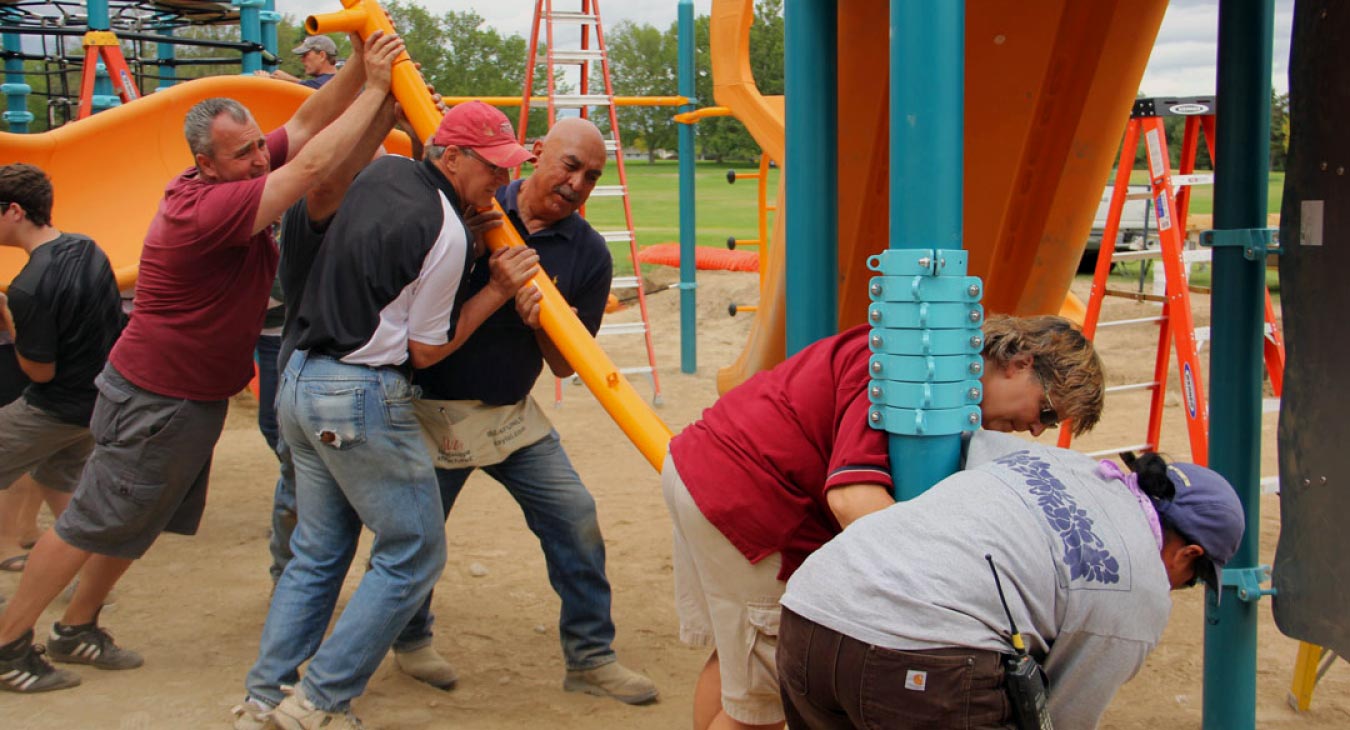
 Hassle-Free Commercial Playground Installation
Benefits of Freestanding Elements
- Flexibility: Can be added individually or grouped creatively across different zones
- Accessibility: Many components are ground-level or ramp-accessible
- Cost-Efficiency: Lower installation costs compared to full modular systems
- Custom Layouts: Ideal for phased playground development or themed zones
- Targeted Skill Building: Allows for age- and skill-specific play featuresr
Common Types of Freestanding Playground Equipment
1. Monkey Bars
Monkey bars have overhead ladders that build upper-body strength, coordination, and hand-eye control. Ideal for ages 5–12, and often available in arched, straight, or looped designs.
2. Crawl Tunnels
Enclosed or partially open tubes that encourage exploratory crawling, spatial navigation, and sensory play. Ground-level and elevated versions available.
3. Balance Beams
Narrow beams set just above the ground, designed to improve core strength and proprioception. Available in straight, curved, and log-style forms.
4. Seesaws and Teeter Totters
Classic two-person or multi-seat components that promote cooperative play, rhythm, and vestibular stimulation.
5. Spring Riders and Rockers
Mounted on a heavy-duty spring or platform, these are ideal for imaginative solo play. Commonly shaped like animals, vehicles, or abstract forms.
6. Merry-Go-Rounds and Spinners
Rotating structures that develop vestibular systems and coordination. Options range from stand-on discs to inclusive seated spinners.
7. Play Panels and Activity Boards
Ground-level interactive units offering tactile, auditory, or visual stimulation. Encourage sensory engagement and group interaction.
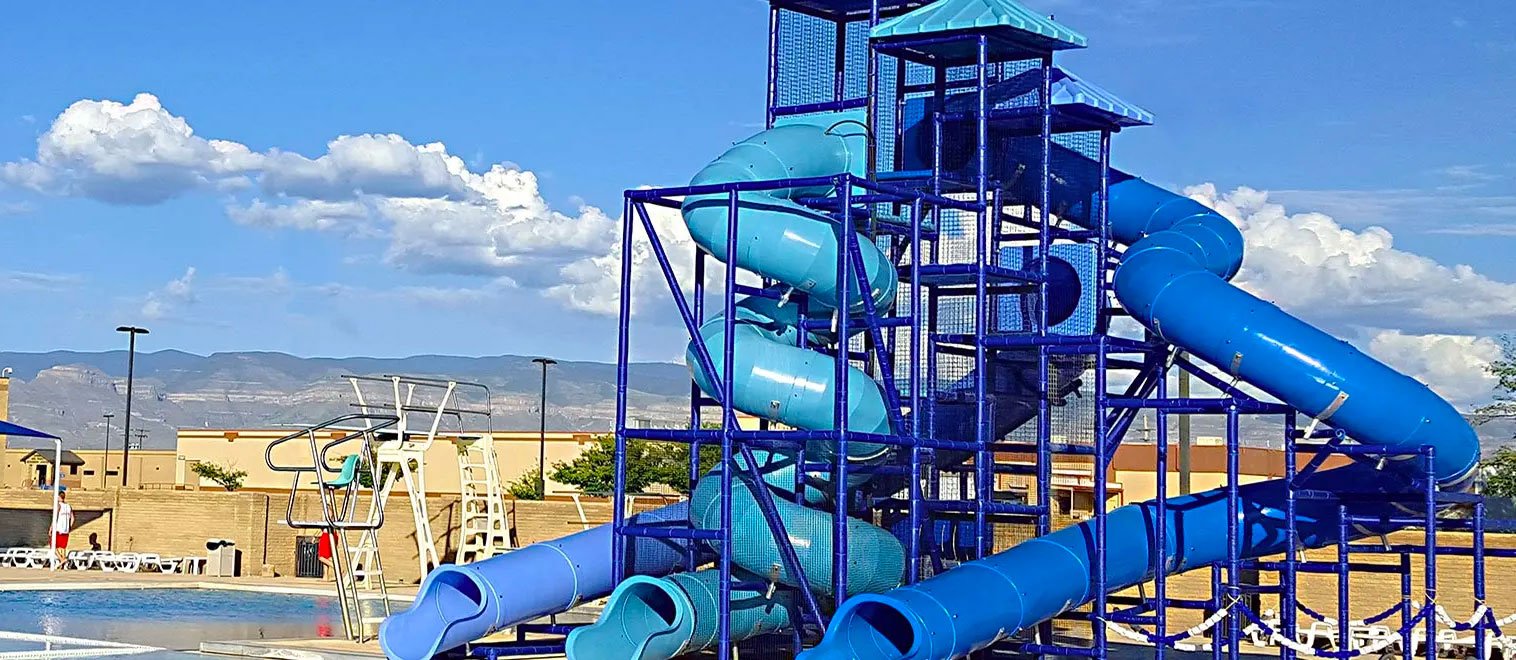
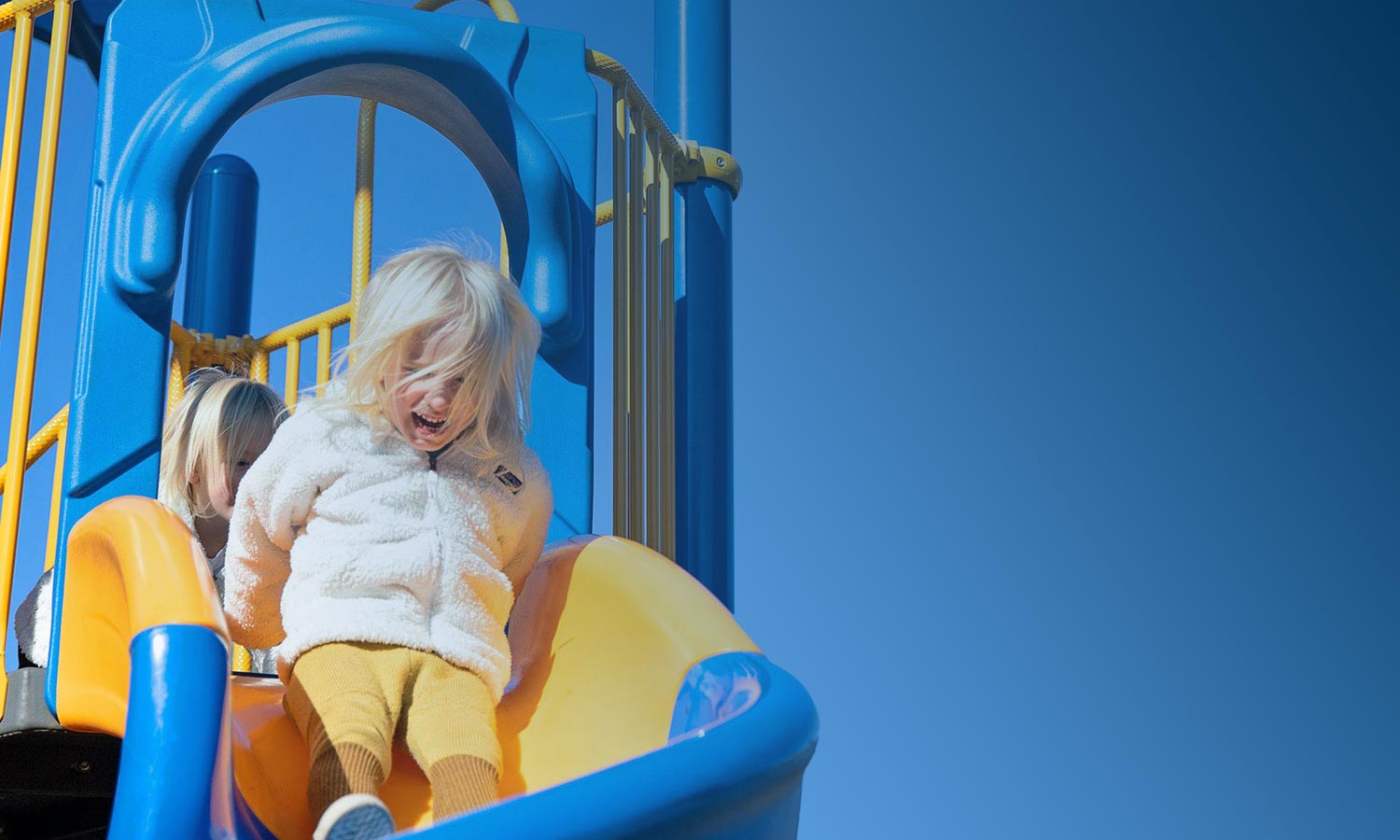
8. Playground Slides
Available as standalone features in wave, spiral, or straight designs. Can be mounted on artificial hills or low decks.
9. Bridges
Freestanding bridges, such as rope or chain varieties, can be used independently to challenge balance and movement skills.
10. Stepping Stones
Individual pads or domes used to create hop paths and agility trails. Help improve coordination and leg strength.
11. GaGa Pits
Octagonal or hexagonal enclosures used for GaGa Ball, a fast-paced dodgeball-style game. Popular in camps, schools, and park settings.
12. Trike Paths
Paved or rubberized loops designed for young children to ride tricycles safely. May include markings, intersections, and miniature road signs.

Age Appropriateness
| Equipment Type | Ideal Age Range |
| Crawl Tunnels | 2–5 years |
| Spring Riders | 2–5 years |
| Seesaws, Spinners | 5–12 years |
| Monkey Bars, Bridges | 5–12 years |
Safety and Compliance
All freestanding components must comply with:
- ASTM F1487 – for structural integrity and safe design
- CPSC Playground Safety Handbook – for surfacing, entrapment hazards, and spacing
- ADA Accessibility Guidelines – particularly for panels, trike paths, and ground-level features
Installations should include:
- Shock-absorbing surfacing (EWF, rubber tiles, poured-in-place rubber)
-
Proper use zones (typically 6 feet minimum on all sides)
-
Anchoring and leveling checks to prevent tipping or wobbling
Ideal Settings for Freestanding Equipment
- Public parks and recreation areas
- School and daycare playgrounds
- Apartment or HOA community spaces
- Indoor play centers
- Early childhood development centers
Related Glossary Entries
- Modular Playground Systems
- Playground Slides Types
- Inclusive Playground Equipment
- Outdoor Fitness Equipment
- Surfacing & Installation