Rooftop Playgrounds
Rooftop playgrounds are outdoor play areas installed on the roofs of buildings—most commonly found in dense urban environments where ground-level space is limited. These playgrounds are carefully engineered to be lightweight, weather-resistant, and safe, while still offering engaging play opportunities for children.
Used in schools, daycares, residential complexes, and commercial spaces, rooftop playgrounds must adhere to strict safety, structural, and design standards. When done right, they can transform unused roof space into a valuable recreational asset.
What Is a Rooftop Playground?
A rooftop playground is any recreational play area built above ground level, usually on the flat roof of a commercial or institutional building. It typically includes:
- Modular or freestanding play equipment
- Safety surfacing
- Guardrails or fencing
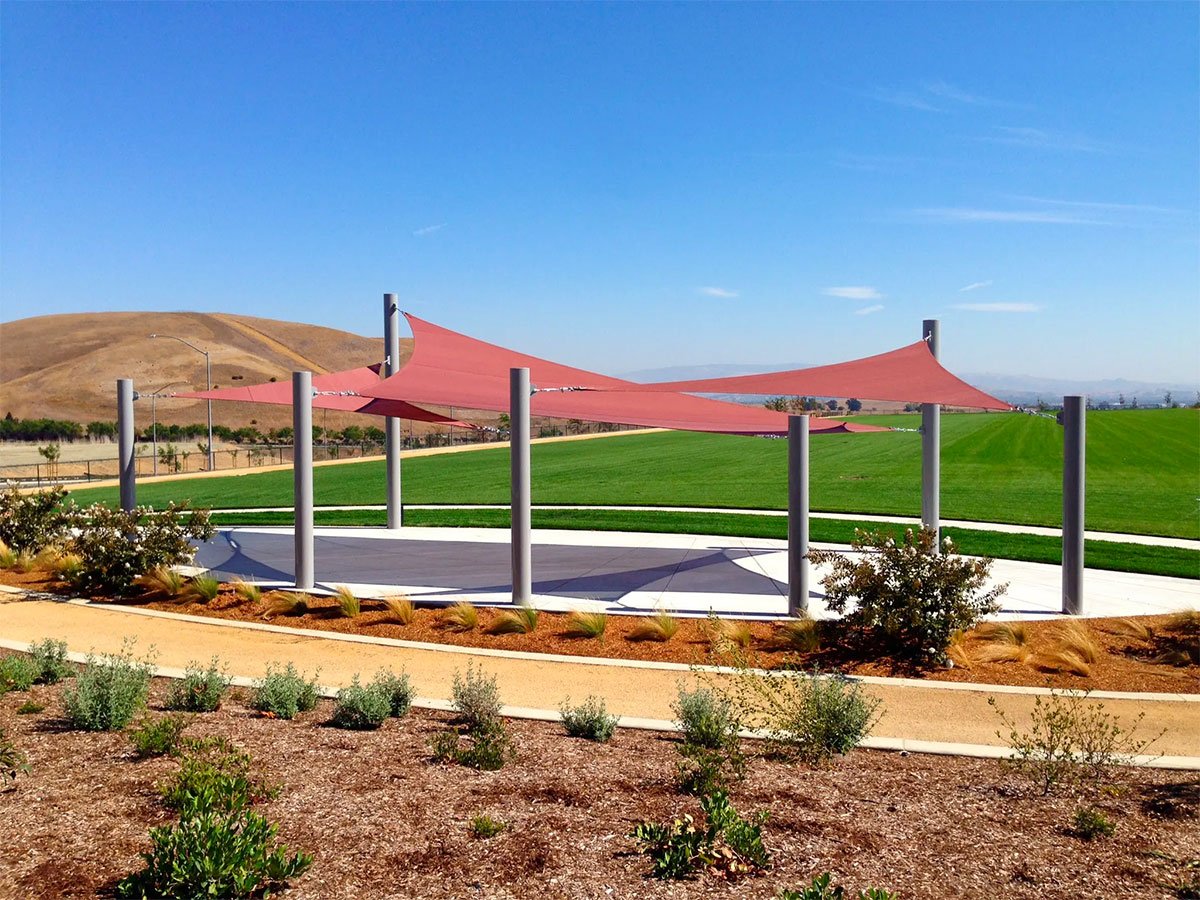
- Shade structures
- Seating or observation areas
- Access points via stairwell, elevator, or ramp
They are popular in:
- Urban schools and preschools
- Daycare centers in multi-story buildings
- Rooftop parks and recreation facilities
- Apartment complexes and mixed-use buildings
- Hospitals and therapeutic centers

Benefits of Rooftop Playgrounds
Space Optimization
They make use of underutilized roof areas in cities where land is scarce or cost-prohibitive.
Safety & Security
Rooftop play zones are often enclosed, allowing for better supervision and restricted access compared to open parks.
Controlled Environment
Easier to manage access, cleaning, and maintenance. Many rooftops can be partially covered to protect from sun and weather.
Customizable Design
Rooftop play areas can be designed to fit the exact footprint of a building, making them highly adaptable.
Design Considerations
Structural Load Capacity
Before installation, a structural engineer must verify that the roof can support the combined weight of equipment, surfacing, furniture, and live loads (children and staff).
Key factors:
- Dead load (equipment + surfacing)
- Live load (people in use)
- Wind load and uplift
- Drainage and waterproofing
Lightweight Equipment
Modular playground equipment structures made of rotomolded plastic, aluminum, or HDPE are preferred due to their lighter weight.
Surfacing Systems
Must meet ASTM F1292 impact attenuation standards, while also being:
- Lightweight
- Slip-resistant
- Drainage-friendly
- UV-resistant
Common options:
- Interlocking rubber tiles
- Poured-in-place rubber surfacing
- Synthetic turf with shock pads
Safety Enclosures
Rooftop playgrounds require high guardrails, fencing, or parapet walls—often 42" or higher per local code. Additional features may include:
- Privacy screening
- Climb-proof enclosures
- Security cameras or access control

Regulatory & Safety Requirements
Rooftop play areas must comply with:
- ASTM F1487 – Equipment design
- ASTM F1292 – Impact surfacing
- ADA Accessibility Guidelines – Inclusive access
- IBC/Local Building Codes – Guardrails, structural load, egress
- CPSC Guidelines – Fall zones, equipment spacing (CPSC Handbook)
It is essential to coordinate with:
- Structural engineers
- Building code officials
- Certified playground designers
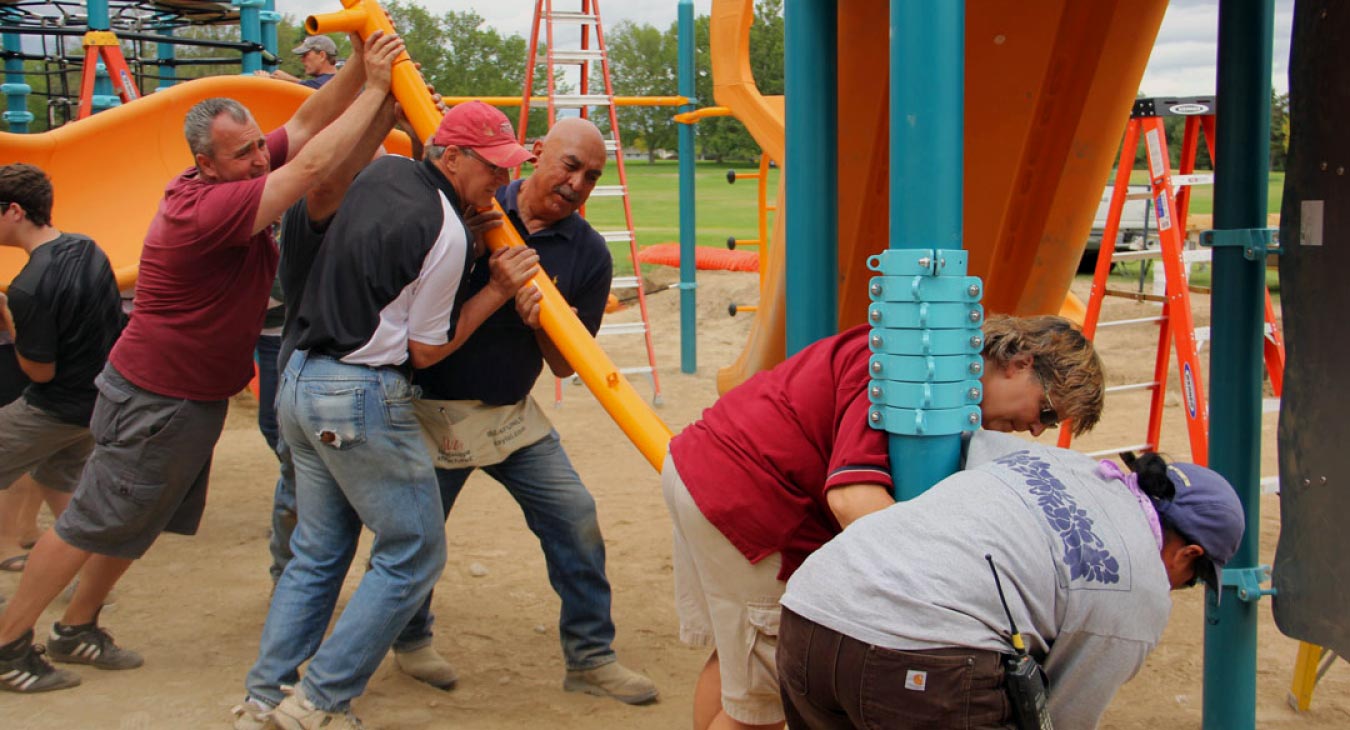
- Licensed installers
Ideal Use Cases
Rooftop playgrounds are especially beneficial for:
- Urban preschools and K–6 schools
- Daycare centers in mid-rise buildings
- Housing complexes with limited ground space
- Hospitals offering therapeutic outdoor play
- Hotels or resorts with family amenities
Planning Tips
| Element | Recommendation |
| Structural Review | Always start with a licensed structural engineer |
| Equipment Weight | Use lightweight modular or freestanding pieces |
| Fall Zones | Account for use zones even with limited space |
| Drainage | Design for proper runoff to avoid roof damage |
| Safety Barriers | Fence or parapet minimum 42" high; climb-resistant |
| Permits & Codes | Check zoning, occupancy load, and safety inspection requirements |

Maintenance Considerations
- Inspect surfacing and drains regularly to avoid pooling
- Check anchors for wind resistance and stability
- Monitor wear on modular equipment due to UV and wind
- Limit loose items to avoid them being blown from the roof
- Secure all furnishings (benches, planters, etc.) during storms