Commercial Picnic Tables
Commercial picnic tables are essential amenities in public playgrounds, parks, schools, and recreational areas. They provide designated areas for meals, rest, group activities, and inclusive social interaction—contributing to comfort, functionality, and usability for families, caregivers, and community members.
This guide outlines types, materials, safety features, and compliance factors for selecting high-quality picnic tables in both residential and commercial applications.
Why Picnic Tables Are Important in Playgrounds
Picnic tables enhance playground spaces by:
- Encouraging longer family visits
- Supporting birthday parties, picnics, and group events
- Creating structured rest and snack areas
- Providing accessible, inclusive outdoor seating

Image by Runner1928/ CC BY-SA 4.0 - Wikimedia Commons
Types of Commercial Picnic Tables
1. Traditional Rectangular Tables
- Standard design with two benches
- Ideal for schools, parks, and casual use
2. Square Picnic Tables
- Four-side access for better group interaction
- Often used in community centers or HOA spaces
3. Round Picnic Tables
- Improve accessibility and social engagement
- Available in pedestal or frame-supported designs
4. ADA-Compliant Picnic Tables
- Designed with extended tabletop overhangs or gaps to allow wheelchair access
- Required for public spaces under ADA law
5. Attached vs. Detached Benches
- Attached styles reduce movement and vandalism
- Detached benches allow for flexible configurations
Common Materials & Finishes
| Material | Pros |
| Thermoplastic-Coated Steel | Weather-resistant, easy to clean |
| Recycled Plastic | Sustainable, splinter-free, low maintenance |
| Powder-Coated Steel | Durable, resistant to chipping and rust |
| Pressure-Treated Wood | Natural look, needs sealing and upkeep |
| Aluminum | Lightweight, rustproof, modern aesthetic |
All materials should be rated for UV resistance, fade protection, and moisture durability for outdoor use.

Mounting and Security Options
- Portable: Great for flexible use and event hosting
- Surface Mount: Bolted into concrete or asphalt pads
- In-Ground Mount: Most secure; posts installed below grade
Accessibility and ADA Compliance
To meet ADA guidelines:
- At least one ADA-compliant table must be provided at each location
- Minimum 30”x48” clear floor space at one end or side
- Table height: 28–34 inches
- Knee clearance: 27 inches minimum
ADA designs often feature:
- Extended tabletops for wheelchair positioning
- Clearance under the table for footrests and knees
Ideal Placement Areas
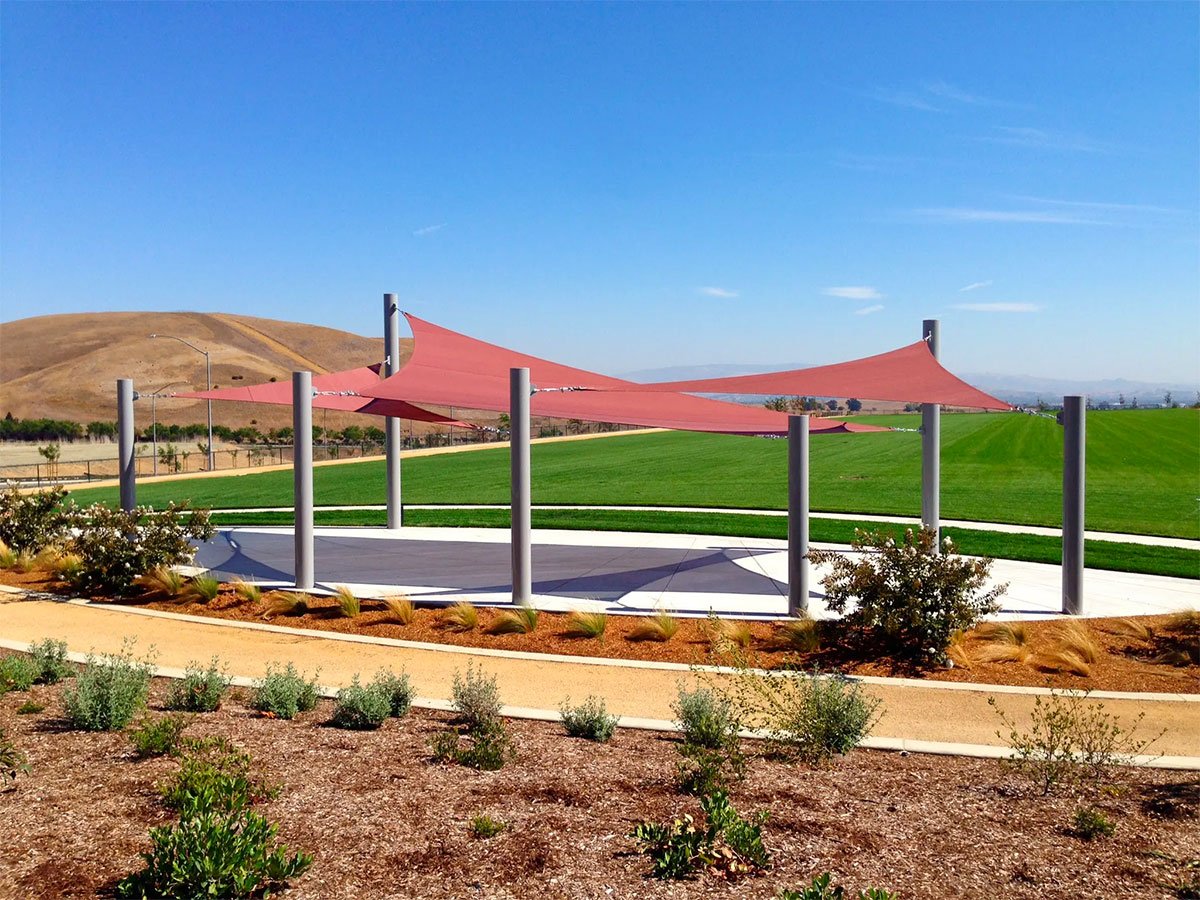
- Under shade structures or pavilions
- Along walking paths or playground perimeters
- Near grills, splash pads, or sports courts
- Adjacent to ADA-accessible routes and restrooms
Maintenance Recommendations
- Clean surfaces weekly to remove food residue and bacteria
- Inspect bolts, welds, and joints for damage or loosening
- Recoat paint or replace damaged planks annually (especially wood models)