
Climbing engages the whole body and asks children to plan each move as they reach for the next handhold. It combines physical challenge with active problem-solving.
Those benefits can be built into climbing structures in different ways, depending on how children will use the equipment. Top options include low horizontal traverse walls, parallel rock walls, tunnel combinations, multi-directional climbers, and strength-focused climbers.
The right design for your site depends on age group, available space, and the safety standards you need to meet.
The Best Climbing Wall Designs for Playgrounds
We evaluated these designs on durability, age-appropriate challenge, footprint efficiency, variety of holds and difficulty levels, and alignment with recognized safety guidance. We start with a traverse climbing wall, then cover complementary options for different spaces and age groups.
Superior Traverse Climbing Wall Panel
The traverse wall keeps climbing horizontal and low to the ground. Children move sideways across the panel while staying close to the surface. This design builds grip strength and lateral movement without the height of a vertical climber.
The Superior Traverse Climbing Wall Panel mounts to cinderblock, brick, or cement walls with the included hardware, so it fits tight indoor spaces well. It introduces beginners to climbing mechanics in a controlled way. To move across the wall, children pull with their hands and arms. That effort builds grip and upper-body strength.
This panel is listed for indoor use, so it is better suited to an indoor recreation area or covered facility than an open-air playground. It comes with 2-inch mats and a climbing rules and guidelines sign, and it is recommended for ages 6 and up.

Double Parallel Rock Climbing Wall
The Double Parallel Rock Climbing Wall uses two panels so multiple children can climb side by side. The layout encourages friendly competition and cooperative play.
The panels have varied handholds and cut-through windows that open up different routes and encourage social interaction. Designed for ages 5 to 12, the wall has a 96-inch fall height and needs a use zone of 21 feet by about 13 feet, so it suits higher-traffic playgrounds with room to spare.

Climbing Wall With Tunnel
The Climbing Wall With Tunnel pairs a climbing surface with an enclosed tunnel element. The result invites imaginative play.
It is a compact piece, measuring 56 by 30 by 48 inches, made in the USA from HDPE plastic that withstands harsh weather. The tunnel adds room to crawl, hide, and find new routes, and the wall is designed for ages 2 to 5.

Cyclone Challenger Climber
The Cyclone Challenger Climber offers a higher-challenge, multi-directional structure for older, more confident climbers. Three curved climbing panels create six different climbing areas, so routes run in several directions.
Designed for ages 5 to 12, it has a 78-inch fall height and needs a use zone of about 22 by 22 feet. The Cyclone Challenger engages the full body and rewards climbers who want to test different paths.

Hercules V Climber
The Hercules V Climber is a sturdy, strength-focused structure that pushes endurance and coordination. It combines climbing walls, sideways ladders, and a net climber in one structure.
Climbing on the Hercules V Climber delivers a full-body workout. Kids build strength, coordination, and balance in a single session of play. Built for ages 5 to 12, the Hercules V needs a use zone of 24 by 29 feet, so plan for a larger site.

Why Climbing Walls Are a Valuable Addition to Playgrounds
Climbing walls turn active play into a challenge that engages the whole child. Beyond physical strength, climbing can support problem-solving, confidence, social skills, and age-appropriate risk assessment.
Physical Development
Climbing strengthens muscles in the arms, legs, and back. It boosts endurance and balance while sharpening hand-eye coordination and body awareness.
Cognitive Development
Children read a climbing structure as a sequence of problems to solve. Each route becomes a small exercise in planning.
Confidence and Social Growth
Reaching the top of a wall builds real confidence. Overcoming a hard route strengthens a child's belief in their own abilities. Shared climbs also teach kids to support and encourage one another.
Risk Assessment and Resilience
Learning to manage and assess risk is a constructive skill. Climbing gives children a safe place to experiment during active play. By exploring each route, they discover how to test their own limits.
What to Consider When Choosing a Playground Climbing Wall
Choosing a climbing wall means balancing challenge, safety, durability, and the space available. The right design should suit the children using it while fitting comfortably into the playground layout and holding up to regular use.
Children's Ages and Skill Levels
Match the wall to the developmental stage of the children who will use it. Safe layouts divide equipment by stage of growth: toddlers at 6 to 23 months, preschoolers at 2 to 5 years, and school-age children at 5 to 12 years.
Toddlers need low, stable structures. Older kids can handle taller climbers, overhead ladders, and faster slides. Progressive difficulty helps balance challenge and safety. A wall that lets children advance as their skills grow keeps them challenged and safe.
Age-appropriate equipment avoids two problems: the frustration of something too complicated and the boredom of something too easy.
Available Space and Playground Layout
Think about footprint and how the wall sits alongside your other equipment. For a freestanding climber, the CPSC recommends a use zone extending at least 6 feet in all directions from the equipment's perimeter. Check the manufacturer's instructions for the specific structure and age group.
Proper spacing lets children circulate and helps keep fall zones clear of nearby structures.
Traverse and compact designs work well on small sites. Larger multi-climber structures make better use of open spaces where you have room to spread out.
Materials, Durability, and Maintenance
Choose materials built to withstand outdoor use and heavy traffic. Commercial-grade equipment holds up under years of daily play.
Upkeep still matters. The CPSC advises frequent inspections for splintered wood, sharp points, corners, or edges that develop with wear. Its routine inspection list also covers loose bolts, cracks in plastics, and loose anchoring, and its sample checklist asks that there be no rust, rot, cracks, or splinters on any equipment, especially where it meets the ground.
Following the manufacturer's maintenance and inspection instructions helps keep equipment in service and addresses wear before it becomes a safety issue.
Essential Safety Features for Active Climbing Play
Safe climbing starts with the right equipment, protective surfacing, and proper installation. These features help create a play environment where children can challenge themselves while reducing avoidable hazards.
Age-Appropriate Height and Difficulty
|
Age Group |
Relevant CPSC Climbing Guidance |
|---|---|
|
Toddlers, ages 6 to 23 months |
Freestanding and composite climbers should have a maximum fall height of 32 inches. |
|
Preschoolers, ages 2 to 5 |
CPSC Table 1 lists certain climbers for ages 2 to 5, plus horizontal ladders no higher than 60 inches for ages 4 and 5. Follow the product's specified fall height and use zone. |
|
School-age children, ages 5 to 12 |
CPSC Table 1 adds arch climbers, chain or cable walks, freestanding climbers with flexible parts, horizontal, rung, and step ladders, and overhead rings. Follow the product's specified fall height and use zone. |
Protective Surfacing and Fall Zones
Protective surfacing is a central safety feature. The CPSC identifies falls as a common playground hazard pattern and says protective surfacing under and around equipment is crucial for reducing the risk of severe head injuries.
A fall zone is the area around and under climbing equipment where protective surfacing is required. Keep that zone cleared of items children may fall onto or run into. Never place climbing equipment over hard surfaces such as asphalt or concrete, and do not count grass or dirt as protective surfacing, because wear and weather reduce their shock absorption.
Climbing equipment must sit over a resilient surface that reduces injury from falls. The CPSC Public Playground Safety Handbook defines fall height as the distance between the highest designated play surface and the protective surface beneath it. For more detail on playground surface options, review the available materials and their maintenance needs.
Secure Handholds, Foot Holds, and Installation
Well-placed, sturdy holds give children reliable grip points. Rock climbing walls provide ready hand- and footholds so kids can pull themselves up with confidence.
Secure installation keeps a structure stable under active play. Correct anchoring prevents wobble and shifting over time. The CPSC Handbook provides public-playground safety guidance, while ASTM F1487 is a technical safety standard for public playground equipment. Follow the product's installation instructions and schedule regular inspections.
Our commercial playground maintenance checklist can help facility managers organize routine checks.
Find the Right Playground Climbing Wall at WillyGoat
WillyGoat offers commercial-grade climbing walls and climbers for parks, schools, daycares, churches, HOAs, and community spaces of every size. Browse the climbing wall collection to compare designs and age ranges.
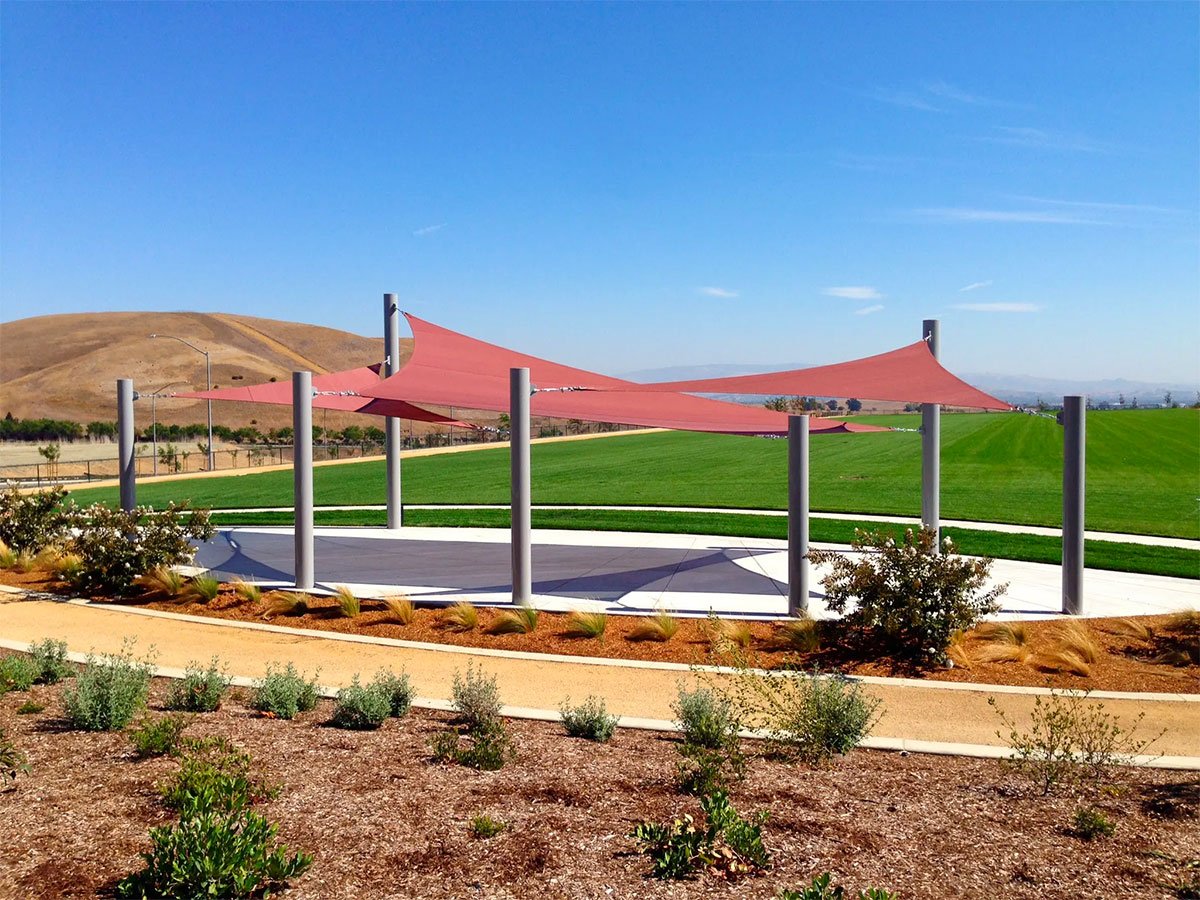
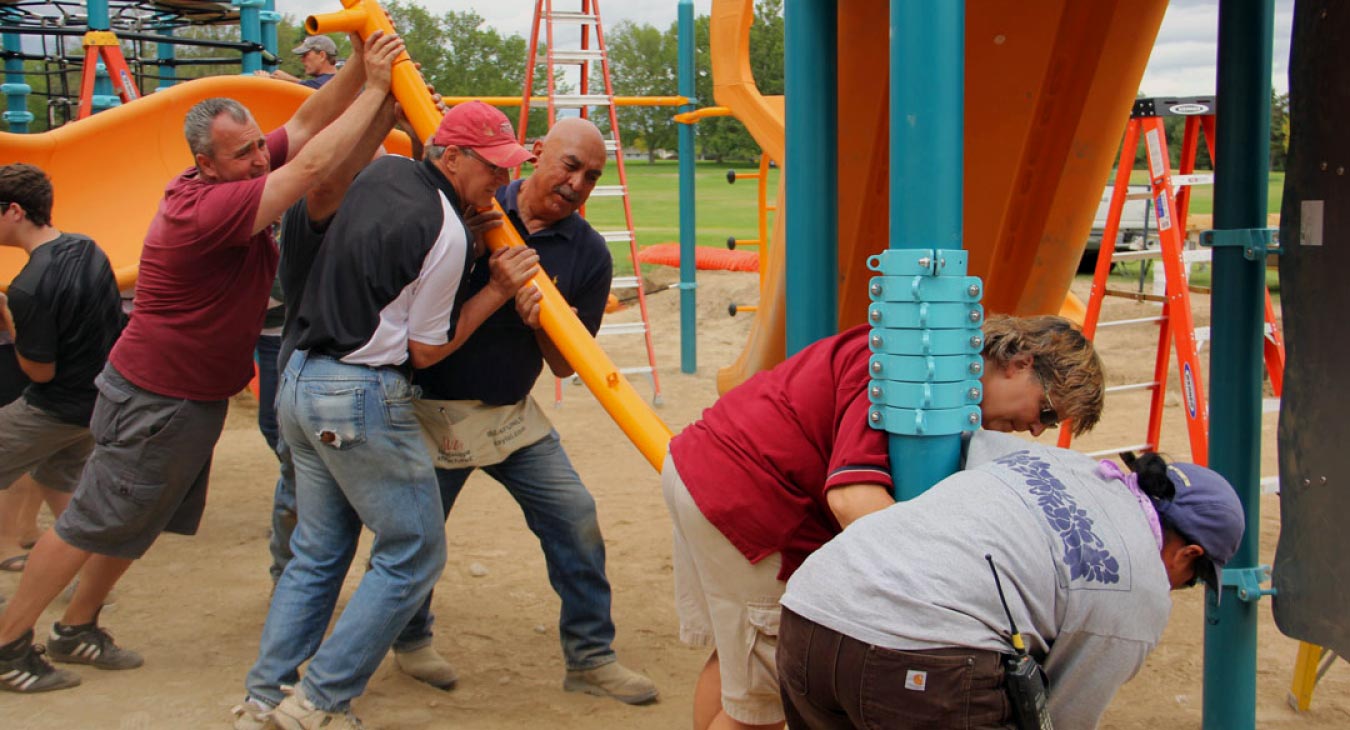
Correct setup matters as much as the equipment itself. WillyGoat's network of experienced installers handles professional installation across the contiguous U.S., so your climbing wall goes in safely and correctly. Want shade over the climbing area? Ask us about pairing your wall with a commercial shade structure.