Waterpark Hub
As demand for outdoor recreation expands, waterparks are becoming increasingly popular in both public and private developments. From splash pads in community parks to full-scale aquatic centers, the right water play equipment and infrastructure can provide safe, accessible, and refreshing play environments for all ages.
This hub covers key aspects of waterpark design, materials, and compliance.
Sections
- Types of Water Slides
- Body Slides vs Tube Slides
- Interactive Water Play Structures
- UV & Chlorine Resistant Materials
- Winterization & Seasonal Maintenance
- ADA Compliance in Waterparks
Types of Water Slides
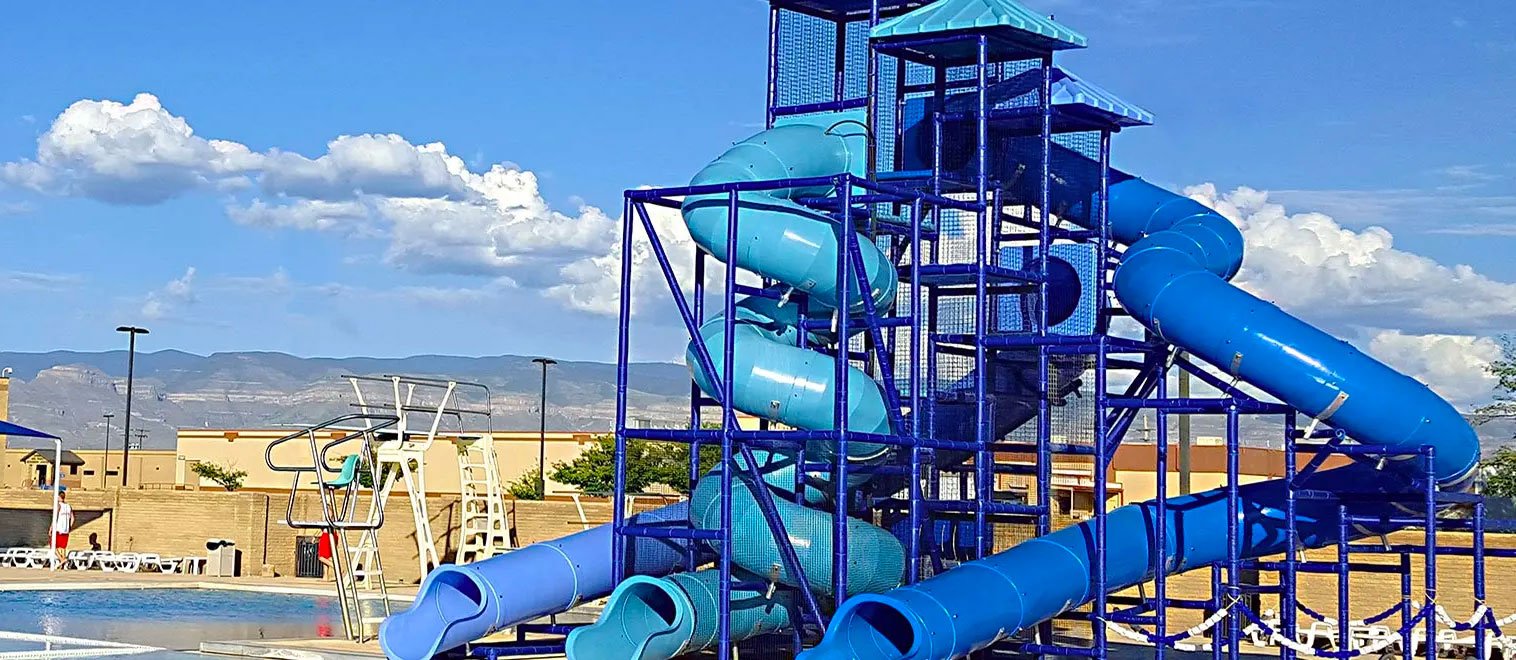
From compact spirals to towering multi-lane racers, water slides come in a wide range of styles and thrill levels. Choosing the right type depends on your audience, available space, and water flow infrastructure.

Body Slides vs Tube Slides
Understanding the difference between body slides and tube slides is crucial for ride experience and operational planning. Each has unique requirements in terms of safety, throughput, and maintenance.

Interactive Water Play Structures
These multilevel structures combine sprayers, tipping buckets, bridges, and slides into an all-in-one aquatic playground. They're ideal for younger children and promote social and sensory play.

UV & Chlorine Resistant Materials
Waterparks must use materials that can withstand intense sun exposure and chlorinated or salt-treated water. UV-resistant coatings and chlorine-tolerant plastics help prevent fading, cracking, and premature wear.

Winterization & Seasonal Maintenance
Proper seasonal maintenance ensures that pipes, pumps, surfacing, and slides remain in good condition through temperature extremes. This section outlines winterization best practices and maintenance checklists.

ADA Compliance in Waterparks
Accessible aquatic environments must meet ADA guidelines for entry, play features, handrails, and surface transitions. Learn how to incorporate inclusive design in your water-based playground.