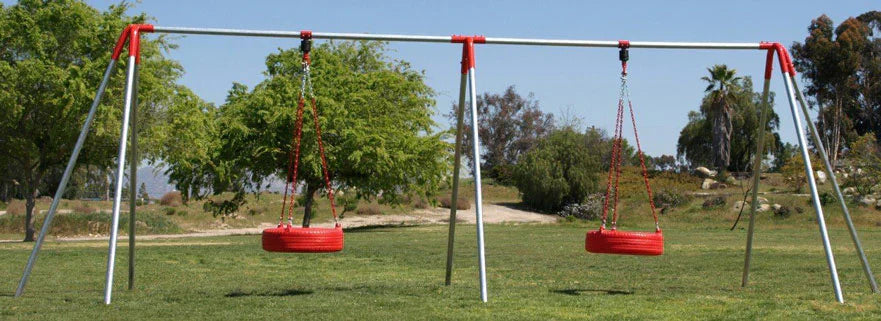
Building a swing set from scratch often feels like the ultimate weekend warrior victory. You imagine the smell of fresh materials like sawdust and the satisfaction of drilling the final bolt while crafting a custom play haven.
It seems like a cheaper way to save hard-earned money while creating something unique for your children. But when weighing the pros and cons of diy vs pre-built swing options, is the financial saving actually real, or is it merely an expensive illusion?
When you look at the price of high-quality pre-made swing sets for kids, the initial sticker shock can be substantial compared to some DIY projects. However, the purchase price is only the tip of the financial iceberg.
To truly understand the worth and value, we must look through a comprehensive 10-year Total Cost of Ownership (TCO) lens. This approach factors in materials, annual maintenance, safety upgrades, and the one commodity you can never earn back, your time.
In this analysis, we break down the numbers with brutal transparency to reveal the truth about these swings. We acknowledge that DIY projects have their pros, mostly regarding personal satisfaction, but the math rarely lies.
We will also reveal the hidden cons and costs of building versus the longevity and value of buying a pre-made swing set to help you make the smartest decision.
Year 0: The Initial Investment in Pre-Made vs DIY Swing Sets
DIY Swing Set
The journey begins at the cash register, where the DIY swing set trap is most seductive to budget-conscious parents looking for an affordable solution. If you plan to build a swing set structure comparable to a commercial playground, with climbing features, a standard 2x4 from the discount bin will not suffice.
You need pressure-treated, ground-contact lumber or naturally rot-resistant materials like cedar wood or redwood to ensure the wooden swing set is safe.
In the current market, lumber material prices remain elevated, which makes the project more expensive and significantly impacts your bottom-line cost.
A sturdy fort with big beam construction requires substantial board footage, bringing raw materials costs much higher than expected for DIY swing sets.
Historical data shows materials costs have always been a factor. Basic residential kits, such as simple swing, slide, and ladder sets, historically cost around $400–$500 (unadjusted for inflation).
Today, raw materials alone for a similar DIY swing set setup with swing set accessories like a tire swing, climbing walls, and a steering wheel can easily triple that price, making it less affordable than it seems.
Then there is the hardware, which involves much more than a simple box of nails. You need galvanized carriage bolts, washers, lock nuts, and heavy-duty swing set hangers with nylon bushings.
These specialty materials add up quickly and are often overlooked in initial budget plans. Gathering all the materials can be overwhelming, especially when you factor in multiple types of fasteners and hardware needed for different components.
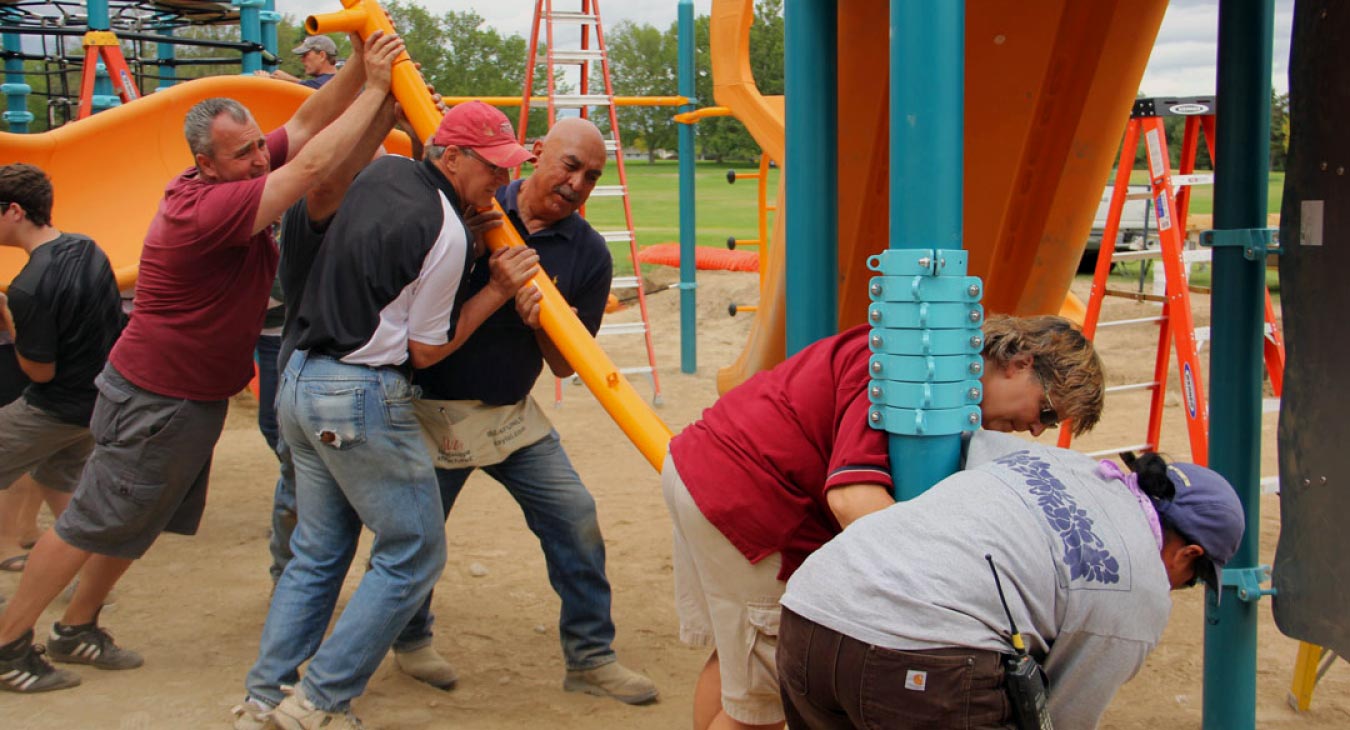
Furthermore, if you do not own a compound miter saw or impact driver, you must rent them, adding to the cost and time. Beyond tools and materials, there is also the time investment required to design, measure, cut, assemble, and secure the structure.
A DIY swing set project can take anywhere from 4 hours for simple kits to several days for complex custom builds. If you value your time at even $20 per hour, that represents hidden labor costs of $80–$1,000+ that many DIY budgets fail to consider.
|
Warning: Don't assume standard lumber is enough for DIY swings. You need pressure-treated or rot-resistant materials like cedar. Using cheaper materials to save money now often results in structural failure and safety concerns within just a few years. |
Pre-Made Swing Set
When you purchase a pre-made wooden or metal swing set, you are paying for engineering, safety certifications, and longevity. The price for a pre-built swing set, including shipping, professional installation, and required safety surfacing, ranges between $510 to $5,000 for budget-friendly units, and over $10,000 for premium swing sets.
Pre-made swing sets typically include delivery costs in the total price. While this commercial playground equipment cost is higher upfront, it includes specialized manufacturing that meets safety standards. Plus, you cannot replicate it in a garage with DIY options.
 |
 |
 |
|
|
|
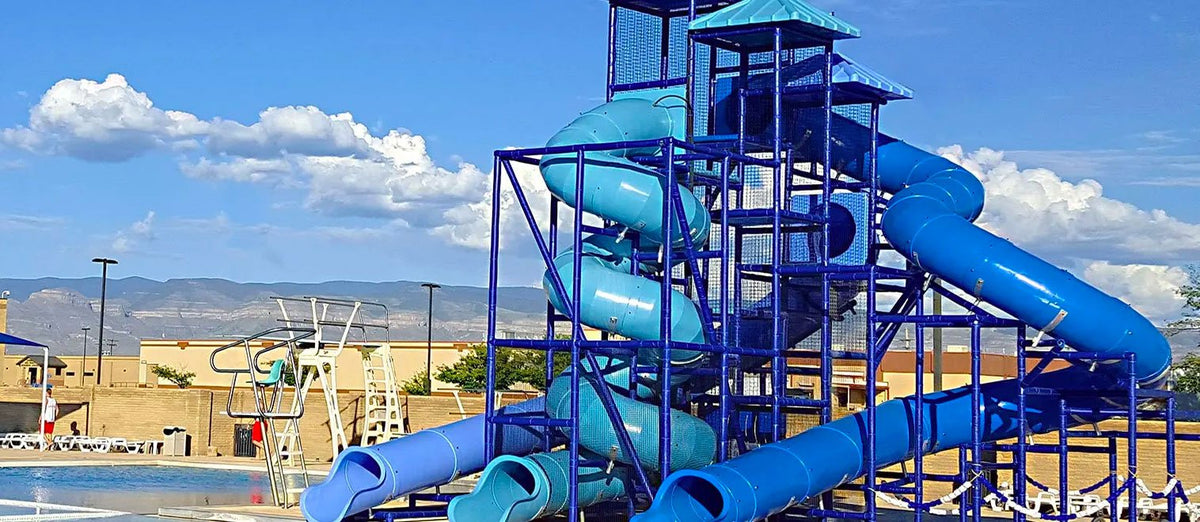
The metal play sets are engineered to comply with safety standards and provide a fun play area for younger kids and older children alike. These sets feature rock walls, climbing walls, and even a tire swing or picnic table.
Pre-built swing sets offer comprehensive warranty protection that DIY builds cannot match. These warranties range from a lifetime warranty on aluminum domes and backboards to 15 years on main support materials and decks. They also come with a 10-year warranty on plastic components, and 1-3 years on other parts.
Comparison Table
To better understand the price differences, the table below breaks down the main cost factors of DIY and premade swing sets.
|
Category |
DIY Swing Sets |
Premade Swing Sets |
|
Material |
$300-$1000 |
$500–$3,500+ (up to $10,000+ for a large set) |
|
Tools |
$0–$250 |
$0 |
|
Install |
$0 |
Varies per square feet |
|
Labor |
$0 |
$0 |
|
Total |
$300–$1,250 |
$500-$10000+ |
Years 1-3: The Maintenance Phase: Time and Effort
DIY Swings
Once the swing set is in the ground, the clock starts ticking on maintenance requirements. Wood is a biological material that naturally wants to decompose when exposed to the elements, one of the major cons of wooden swing sets.
To prevent this, you must clean and maintain your DIY swing set annually. The annual maintenance cost is as follows:
Annual Maintenance Costs:
- Wood treatment/staining: costs depend on set size and materials, with related site prep like mulch at $30–$120 per cubic yard.
- Replacement hardware: $50–$200 annually or per incident for routine bolts, chains, S-hooks, and other fixes; most repairs average $280–$520.
- DIY time investment: 3–5 hours for annual inspection, tightening, sanding, and staining; additional hours (e.g., a few per repair) for fixes like part replacements.
Common early failures you can expect include: Chain rust, bolt loosening requiring retightening, wood splintering at high-contact points, ground-contact rot, and swing seat cracking.
You will need to sand down raised grain or splinters to keep small hands safe on the swing set. Additionally, wooden swing set accessories often require tightening as the wood shrinks and settles over time. Eventually, kids outgrow certain features, requiring modifications or additions.
Pre-Built Swings
In contrast, a pre-made wooden swing set requires minimal maintenance during this phase. Commercial-grade premade sets utilize powder-coated steel that resists rust, chipping, and fading, requiring only a quick wash with soap and water once or twice per season. The superior engineering means hardware stays tight and secure without constant adjustments.
The UV-resistant materials won't splinter, crack, or warp like untreated wood, eliminating the need for annual sanding and sealing projects. This translates to hundreds of dollars saved on maintenance supplies and dozens of hours returned to your weekends.
Additionally, most quality manufacturers back their swing sets with a limited lifetime warranty on steel support posts, providing peace of mind and protection for your investment.
Here is a quick cumulative comparison of prices through year 3:
|
Maintenance Item |
Pre-Made Swing Set |
DIY Wooden Swing Set |
|
Year 1 |
||
|
Hardware and supplies |
Included or $100–$500 |
$350–$1,000 |
|
Labor |
$150–$713 (average) |
$0 |
|
Subtotal |
$250–$1200+ (simple to custom) |
$350 - $1000 |
|
Year 2 - 3 Ongoing |
||
|
On-going maintenance |
Low maintenance |
High maintenance |
|
Subtotal |
$0 |
Material quality affects costs |
|
Cumulative total (3 Years) |
$200–$2,000+ (initial heavy + low upkeep) |
$500–$3,000+ (initial + recurring wood care) |
The hardware is typically vandal-resistant and lock-tited, meaning structural tightening is rarely needed, saving significant time and maintenance costs.
|
Key Insight: The true value of commercial-grade swing sets lies in the materials. Powder-coated steel eliminates the annual ritual of sanding and staining, saving you dozens of hours of time and labor over the first three years. |
Years 4-7: Mid-Life Reality of DIY Swing Sets
DIY Swing Set
This is the era of deterioration, where the materials chosen in year 0 determine the severity of decline for your swing set. Even with treated lumber, by year 5, you will likely see cracking in the play set beams.
Water intrusion leads to rot, particularly where wood touches the ground or hardware such as screws and bolts, one of the significant cons of DIY options. You may face your first major expensive repair, such as replacing a structural post or a deck board on your play set.
For safety, you might need to replenish with surfacing materials, such as rubber mulch for playground use, to ensure fall protection remains adequate. Residential owners often lose weekends of time to these major DIY swing set overhauls.
Most of them usually find themselves weighing the pros and cons of their initial decision when deciding between building and buying.
Pre-Built Swing Set
A high-quality premade swing set is just hitting its stride during these years. The powder coating protects the swing set steel from rust, and plastics retain their color thanks to UV inhibitors. Unlike their DIY counterparts, commercial-grade swing sets require minimal regular maintenance during this period, perhaps just an annual inspection and tightening of bolts.
The engineered metal frames show no signs of rot or structural deterioration, maintaining their original strength and stability. Weather-resistant components mean homeowners spend their weekends enjoying the equipment rather than repairing it.
Many manufacturers design their sets with replaceable parts, so if a swing chain or plastic component does need updating, it's a simple swap rather than a major renovation project.
Pre-built swing sets often come with warranties extending through this period, providing peace of mind and potential cost savings. The initial higher investment proves its worth as families avoid the recurring repair costs and labor that plague DIY structures.
Here is a quick comparison table:
DIY Sets
|
Expenses |
DIY Swing Set |
|
Year 4 |
|
|
New swing seats |
$75 - $100 |
|
Year 5 |
|
|
Pressure-treated 4x4 posts |
$12 and $30 per post |
|
Swing chains |
$30 to over $100 |
|
Year 6 |
|
|
Structural beam replacement |
$50 to $350 |
|
Stain/sealant |
$65 to $250+ |
|
Year 7 |
|
|
Wood replacement |
$400 to $1,200 |
|
Safety anchors |
$20 and $80 for a pair, depending on length, coating, and weight capacity |
|
New rope ladder |
$20 - $100 |
Pre-Built Swing Set
|
Expenses |
Pre-Built Swing Set |
|
Year 4 |
|
|
Swing bearing replacement |
$70 - $100 |
|
Year 5 |
|
|
Swing seat replacement |
$74 - $735 |
|
Year 6 |
|
|
Anchor reinforcement |
$20 to $50 (for standard 4-pack kit) and $45 to over $150 (Heavy-duty) |
|
Year 7 |
|
|
Plastic component replacement |
$25 to $200 |
You might consider adding commercial shade structures or swing set accessories to keep the swing set equipment cool, but the pre-made structure itself remains sound with better longevity.
Years 8-10: Long-Term Value of Your Swing Set
DIY Swing Sets
As we approach a decade of use, the lifecycle of these two swing set investments diverges completely. A wooden DIY swing set at year 10 is often a liability that is heading for the landfill.
Structural integrity is questionable, and if you sell your home, the old swing set will likely need to be removed. You are now looking at the cost of demolition and disposal, which is labor-intensive and costly in terms of time and effort.
The disassembly process can take an entire weekend, and many waste management services charge premium fees for bulky wooden playground equipment disposal.
Pre-Made Swing Sets
In contrast, commercial pre-made systems are built to last decades and often retain resale value. Because they are modular, components like backyard monkey bars and other accessories can be disassembled and sold to another family, recovering some money.
The extensive manufacturer's warranties on many commercial swing sets mean the skeleton of the swing set playground is effectively immortal. If you decide to upgrade, you can even sell the swing set to a specialized dealer of used playground equipment.
This turns a depreciating asset into a smart investment that returns some capital to your pocket. The modular design also makes these systems easily transferable to a new location if you move homes, allowing you to take your investment with you.
This residual value effectively reduces your net cost of ownership, making the higher upfront investment financially prudent over the long term compared to disposable DIY alternatives.
Here is a quick comparison of the key cost factors for pre-made and diy swing sets over the 10-year period:
|
Cost |
Commercial Pre-Made Set |
DIY Wooden Swing Set |
|
Initial Purchase |
$500–$3,500+ (up to $10,000+ for a large set) |
$300-$1000 |
|
Labor/Installation |
$150 - $713 |
$0 (self-built) - $700 (help hired) |
|
Year 1 -3 maintenance |
$50–$300+ (inspections, minor chain/seat replacements) |
$200–$800 (staining, sealing, hardware) |
|
Year 4-7 maintenance |
$$200 - $500 (lubrication and bearings) |
$672–$1,200 (rot repairs, re-staining) |
|
Year 8-10 maintenance |
$20–$150 (minor lubrication) |
$300–$2000+ (structural fixes) |
|
10-Year Total Cost |
$920 - $5150 + (lower upkeep offsets initial) |
$1472–$5700+ (wood decay drives costs up) |
|
Initial assembly time |
4-8 hours |
16-40 hours |
|
Maintenance materials (years 1-10) |
1-3 hours/year |
5-12 hours |
|
Major Repairs (Years 5-8) |
4-10 hours |
30-70 hours |
|
Total 10-Year Time |
10-20 hours |
50- 120 hours |
|
Net 10-year cost |
Lower |
Higher (initial savings offset by time, tools, maintenance, repairs). |

The Hidden Costs of Swing Sets Most People Forget
Beyond the initial price tag, DIY swing set projects come with hidden expenses most families overlook:
- Your time: In 2026, professional swing-set assembly commonly costs about $330 to $710, with an average near $510; pricing varies by set size, complexity, site conditions, and location, and installers may charge hourly rates or flat project fees. Calculate your build time at your actual hourly rate to understand the true cost.
- The tool graveyard: Specialized equipment like post hole augers, torque wrenches, and dado blades often become one-project wonders, collecting dust in your garage after a single use.
- Mistakes and material waste: Incorrect cuts, measurement errors, and design changes typically waste a percentage of your total lumber budget. This can significantly impact budgets as you may need to buy extra material and pay disposal costs.
- Injuries add up: From splinters and blisters to strained backs and worse, physical construction costs can include medical expenses and lost work time.
- Liability exposure: DIY swing sets lack IPEMA safety or ASTM certification, creating significant legal risk for churches, HOAs, daycares, and homeowners if injuries occur.
- Opportunity cost: The month spent building is a month your children aren't enjoying their play set, and precious family time is lost to construction instead of creating memories together.
|
Key Insight: Your time is the most expensive line item. If you value your time at $50/hour, a 40-hour DIY swing set build adds $2,000 to the cost. Ask yourself: Is building a swing set worth missing five weekends? |
When DIY Swing Sets Actually Make Sense
We want to be fair. There are specific scenarios where building it yourself is the right call when looking at pros and cons. If you are an experienced woodworker with a fully equipped shop, building a DIY swing set might be a joy rather than a chore.
It makes sense if you have a specific vision for a custom treehouse-hybrid swing set with accessories that no manufacturer offers. If you have unlimited time and your children are older, they can help you build the swing set as a learning project.
In these rare cases, the cost is irrelevant because the process itself is the product.
When Premade Is the Smart Choice
For the vast majority of families and organizations, buying a premade swing set is the logical route, especially when ensuring safety is a priority. This is especially true for commercial buyers who need school playground equipment that meets strict safety standards.
You need ADA compliance, IPEMA certification, and a manufacturer's paper trail to satisfy insurance requirements for your swing set. For residential buyers, pre-made is the choice for those who value their time and want a turnkey solution prioritizing safety and durability.
If you want a safe, durable swing set to appear in your backyard without lifting a finger, this is your path. Adding a playground border and surfacing materials is easy when the main swing set structure is professionally installed.
For larger swing sets with multiple accessories, professional heavy-duty swing set installation becomes even more valuable.
Breaking Down the Swing Set Cost

When you examine the complete financial picture over a decade, the numbers tell a compelling story. Commercial pre-made swing sets’ 10-year cost is $920 -$5150 ( up to 10,000+ for large sets, compared to $1472 - $5700+ for DIY sets.
Just factoring in your time and labor cost, pre-made sets remain competitive with DIY builds. Over the 10-year period, pre-made swing sets require an average of 10 - 20 hours, inclusive of installation and maintenance, which at a rate of $25-50/hour typically adds up to $250–$1000.
In contrast, DIY installation spans a few weekends, equating to an average of 50–120 hours, which at the same rate could be valued at $1250–$6000, making the total far less competitive even before ongoing maintenance.
The critical inflection point occurs around Year 4, when accumulated maintenance time and materials push DIY costs past the pre-made alternative. By Year 10, DIY projects require more hours of labor compared to commercial pre-built sets.
Does DIY ever make sense? Absolutely. If you're a hobbyist woodworker who enjoys building projects or finds deep satisfaction in handcrafted play equipment, DIY can be rewarding beyond pure economics.
However, for families who value their time and want decades of low-maintenance play, commercial-grade swing sets represent a smarter investment. They offer superior durability, retain high resale value, and free up hundreds of hours for actually playing with your kids rather than maintaining their equipment.
The data is clear. Unless you genuinely enjoy ongoing woodworking projects, pre-built is the financially sound choice.
Making the Right Decision
When choosing between DIY and pre-made swing sets, the decision goes beyond initial cost. DIY projects may seem budget-friendly upfront, but factor in your time, tools, safety concerns, and ongoing maintenance.
Pre-made options deliver professional engineering, warranty protection, and years of worry-free play. Factor in the total cost, including your time investment, material expenses, required tools, and long-term upkeep, and you will notice that these aspects all add up quickly with DIY builds.
Your children's safety and your peace of mind are worth the investment in quality. Ready to explore swing sets built to last? Browse our high-quality playground swing set collection to discover our nature-inspired series.
Take advantage of our professional installation services to ensure expert assembly, proper anchoring, and compliance with safety standards. Not sure which option is right? Contact us at 888.920.4628 for a personalized consultation. Our team can help you select the perfect swing set for your space and budget.