Play Areas: Your Complete Guide to Playground Equipment
Play areas are the heart of any playground design—whether for a school, park, church, apartment complex, or backyard. This section explores the most common types of playground equipment, how they’re used, and how to choose the right options for different settings and age groups.
From classic slides and swings to more specialized features like monkey bars and crawl tunnels, the right mix of equipment can enhance physical development, encourage social interaction, and make any play space more inclusive and engaging.
Below, you’ll find detailed definitions and helpful resources for every major category of playground equipment.
🔹Playground Equipment Types
A comprehensive overview of the different types of playground equipment—modular structures, freestanding elements, themed units, and interactive features. Learn how each piece contributes to child development, playground flow, and safety.
🔹Commercial Playground Equipment
Designed for heavy use in schools, parks, and municipalities, commercial playground sets are built with durability, safety, and ADA compliance in mind. Explore your options based on user volume, age ranges, and space availability.
🔹Residential Playground Sets
Smaller-scale structures perfect for backyards and home use. We’ll break down what makes a residential playground different, and how to choose a safe, fun, and budget-friendly setup for your family.
🔹Preschool Playground Equipment
Designed specifically for children ages 2–5, preschool play equipment focuses on motor skill development, sensory engagement, and age-appropriate safety. Learn what to look for in daycare or early education environments.
🔹School-Age Playground Equipment
Built for kids ages 5–12, this equipment features taller platforms, more dynamic climbers, and faster slides. We explore what makes these structures appropriate for older children and how to comply with CPSC guidelines for public schools.
🔹Rooftop Playgrounds
An increasingly popular option in urban areas, rooftop playgrounds require lightweight, modular equipment, safety surfacing, wind protection, and structural engineering approval. Learn how they work and what equipment fits best.
🔹Playground Slides Types
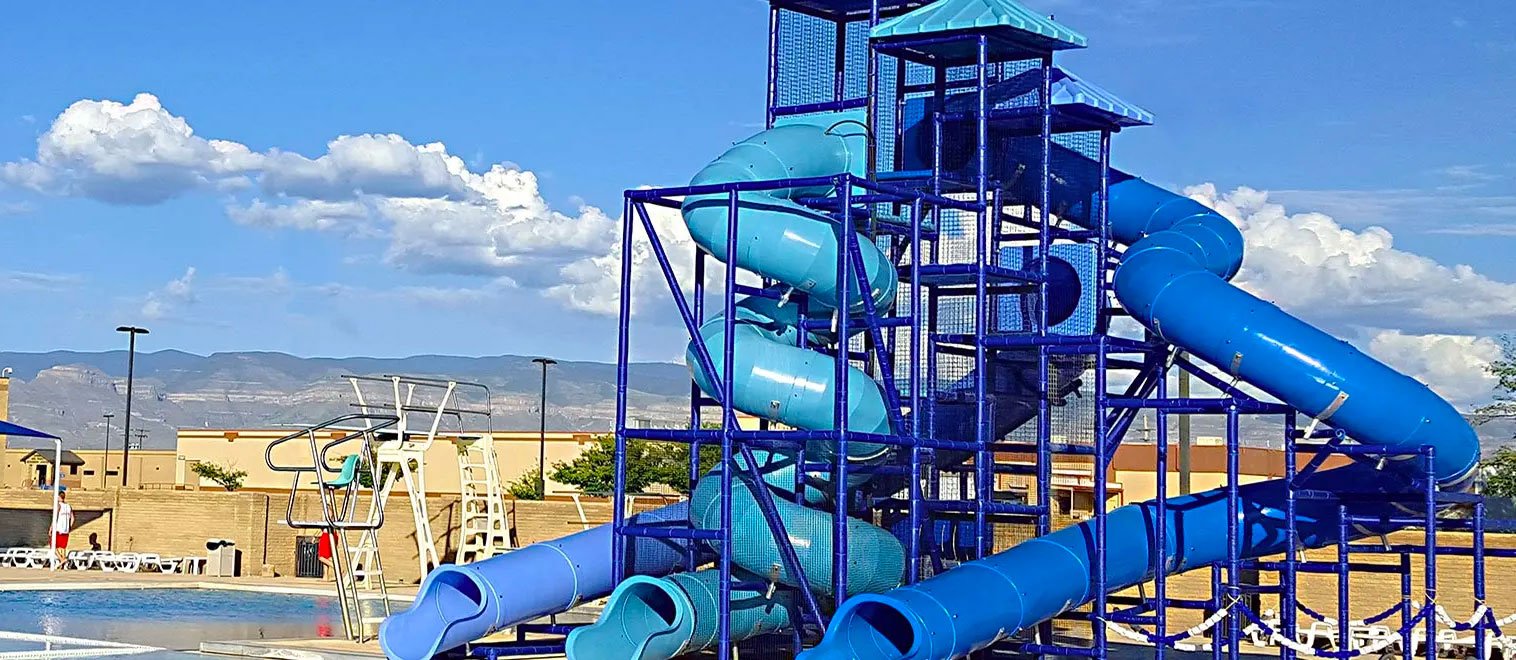
Slides come in many forms—straight, spiral, wave, tunnel, and more. Each design supports different types of movement and excitement. This guide helps you choose the best slide type based on age group, available space, and user intent.
🔹Swing Set Components
Swings are a playground staple, but not all swings are the same. Explore belt swings, bucket swings for toddlers, ADA adaptive swings, tire swings, and frame types for different user capacities and safety standards.
🔹Playground Climbers Guide
Climbers help build strength, coordination, and confidence. From net climbers and rock walls to domes and arch ladders, we break down the different types and how to fit them into your play area layout.
🔹Monkey Bars
Often grouped with climbers, monkey bars are a specific type of overhead equipment that develops upper body strength and motor planning. We’ll cover safety recommendations, height guidelines, and ideal age groups.
🔹Merry-Go-Rounds and Spinners
Rotational motion equipment adds fun and vestibular stimulation to any playground. Learn the differences between traditional merry-go-rounds, spinner bowls, and standing or inclusive spinners.
🔹Spring Riders and Rockers
Perfect for younger kids, spring-based equipment encourages balance and imaginative play. This section explains different designs (animals, vehicles, inclusive options) and installation requirements.
🔹Teeter Totters and Seesaws
A classic play element that promotes social interaction and coordination. Discover the different modern variations—multi-user, spring-balanced, or low-profile options—for improved safety and accessibility.
🔹Play Panels and Activity Boards
Sensory-rich, ground-level panels enhance inclusive play areas. We cover music boards, gear panels, mazes, and more—ideal for toddlers, neurodiverse children, and quiet play zones.
🔹Crawl Tunnels
Tunnels support gross motor development and spatial awareness. Learn about freestanding crawl tubes, panel-attached options, and how to integrate them safely within your layout.
🔹Playground Towers & Bridges
These elements connect different play zones and add elevation to your structure. Towers offer vantage points and slides, while bridges create movement challenges and add flow to modular systems.
🔹Playground Games and Markings
From hopscotch and four-square to custom tricycle paths, ground games help extend the play value of your area. Learn how thermoplastic markings and painted surfaces can increase engagement.
🔹Balance Beams
Simple but powerful, balance beams promote stability, coordination, and concentration. Discover materials, height options, and ideal placements within your playground.
Playground Planning Starts Here
Each piece of equipment plays a role in child development—whether it’s improving balance, building strength, fostering creativity, or supporting social interaction. For buyers, understanding these categories is key to building a compliant, inclusive, and engaging play area.
All definitions in this section are informed by expert resources including:
- Consumer Product Safety Commission (CPSC)
- American Society for Testing and Materials (ASTM F1487)
- National Program for Playground Safety (NPPS)
- National Recreation and Park Association (NRPA)